

Budapest is one of Europe’s best city break destinations, with grand architecture, thermal baths, ruin bars, river views, and excellent food.
This Budapest itinerary is designed for first-time visitors and covers the best things to do in 3, 4, or 5 days, including Buda Castle, Fisherman’s Bastion, the Parliament Building, Széchenyi Baths, the Jewish Quarter, and the Danube riverfront. For a deeper dive into individual attractions and costs, see our things to do in Budapest guide.
- Quick itinerary overview
- How many days do you need in Budapest?
- Best time to visit Budapest
- Getting to Budapest
- How to get around Budapest?
- Is the Budapest card worth it?
- Best neighbourhoods to stay in Budapest
- Where to stay in Budapest?
- Budapest Itinerary
- Day 1 ( land in Budapest)
- Day 2
- Day 3
- Day 4
- Day 5 (Leaving Budapest)
- Where to eat in Budapest?
- Top tips for a 3/5 day Budapest itinerary
- FAQ for Budapest Itinerary
Budapest is a city that needs to be on every traveller’s bucket list. It makes for the perfect city break. I recently spent 5 days in Budapest while working at the same time, which was enough to see the main sights. Hence, the itinerary is easily doable in 3 days.
There’s not so much to do that you’ll be rushing around, yet you definitely won’t get bored. I’ve visited Budapest twice, in July as well as November, and still think I can go back and see more. You can read all about the Best Instagrammable spots in Budapest to make sure you take the right angles and go at the right time.
Those travelling on a budget will be happy because Budapest is one of Europe’s more affordable cities, and it is a Backpacker’s paradise. You can eat and drink cheaply, making it easy to sample traditional foods. If you enjoy gluttonous carbs, I think you’re going to love Hungarian food like me!
There’s history in abundance in Budapest, although much of it is harrowing. Learning about it is an important addition to your otherwise relaxed sightseeing adventures during 3/5 days in Budapest.
Quick itinerary overview
| Day | Morning | Afternoon | Evening |
|---|---|---|---|
| Day 1 | Land | Free Walking tour | Ruin bars in the Jewish Quarter |
| Day 2 | Hungarian Parliament | St Stephen’s Basilica Shoes on the Danube | Danube river cruise |
| Day 3 | Great Market Hall | Liberty Bridge Sunset in Gellert Hill | Soak in Gellert spa |
| Day 4 | Fisherman’s Bastion | Buda Castle | New York Cafe |
| Day 5 | Breakfast and fresh juice from Artizán Bakery | Dohány Street Synagogue | Soak in the Gellert spa |
How many days do you need in Budapest?
I would say a minimum of 2 days if you don’t have time! This is the minimum to see the highlights of Budapest.
However, I’d recommend exploring Budapest in 3 days instead, and if you have the time, then relax for 5 days. The reason I say so is that the numerous traditional spas that Budapest has to offer are not to be missed.
Best time to visit Budapest
Hungary’s “tourist season” runs roughly from May through September.
Summer (July and August) has its advantages: very long days, the busiest schedule of tourist fun and special festivals, and virtually no business travellers to compete with for hotel rooms. However, because Hungary has a nearly Mediterranean climate, summer temperatures can skyrocket to the 80s or 90s (choose a hotel with air-conditioning).
In spring and fall — May, June, September, and early October — travellers enjoy fewer tourist crowds and milder weather. This is one of the best times to visit Budapest. However, it’s also prime convention time (especially September), when hotels tend to fill up and charge their top rates.
Getting to Budapest
- Begin your weekend in Budapest by flying into Budapest Airport. EasyJet, Ryanair and Wizz Air are the lowest-cost contenders.


- From Budapest Airport, hop on the 103 bus, which makes multiple stops in the city centre. This costs 1,800 HUF (€5) each way.
- Alternatively, book an organised airport shuttle (€10) straight to your hotel or a private airport taxi.
- Getting to Budapest by train: Budapest is well connected to cities like Vienna, Bratislava and Munich by train. Use RailEurope to book tickets.
- Getting to Budapest by bus: The cheapest way to travel around Europe is by bus. Book tickets on Flixbus.
BUDAPEST ESSENTIALS
Accommodation: Booking.com / Hostelworld
Activities: GetYourGuide
Getting there:
- flight (Skyscanner),
- train (RailEurope),
- bus (Flixbus)
Getting around: Tram / Metro/bus/ walk
How to get around Budapest?
- If you don’t mind a bit of exercise, you can see most of the sights on foot. But to make the most of Budapest in 3 days, utilise public transport. You have a few options: Metro, buses and trams.
- You can purchase tickets for all three modes of transport at the ticket machines using cash or a card. Your best option is a 24-hour ticket, which includes unlimited travel and costs 1,650 HUF (€4.60). These tickets from the ticket machine will be available to you just outside the airport. Since we stayed for 5 days, we got everywhere on foot as things are quite close in the city centre and the city is flat terrain.
- Budapest is a bike-friendly city. Consider a guided bicycle tour to see the highlights.
- The final option is a hop-on-hop-off bus tour. These are obviously very touristy but quite fun.
- Other than these, there is Bolt (like Uber) available for getting a quick cab, and the price for a taxi is quite cheap in Budapest (Uber is not available in Budapest).
Is the Budapest card worth it?
If you’re not a big walker, the Budapest Card may well be worth it because it includes unlimited public transport (including to the airport).
You’ll also get free entry to Lukács Thermal Bath, 19 museums, luggage storage and 50% off many attractions. You can get it here – Book yours for €20.
But it wasn’t worth it for us as we walked everywhere and got taxis when we got tired, which were just always 4-7 Euros per ride.
Best neighbourhoods to stay in Budapest
- To be in the heart of the action, Belváros (downtown) and the Palace District are close to all the main attractions. To experience the nightlife, the Jewish Quarter is a great area to stay in Budapest.
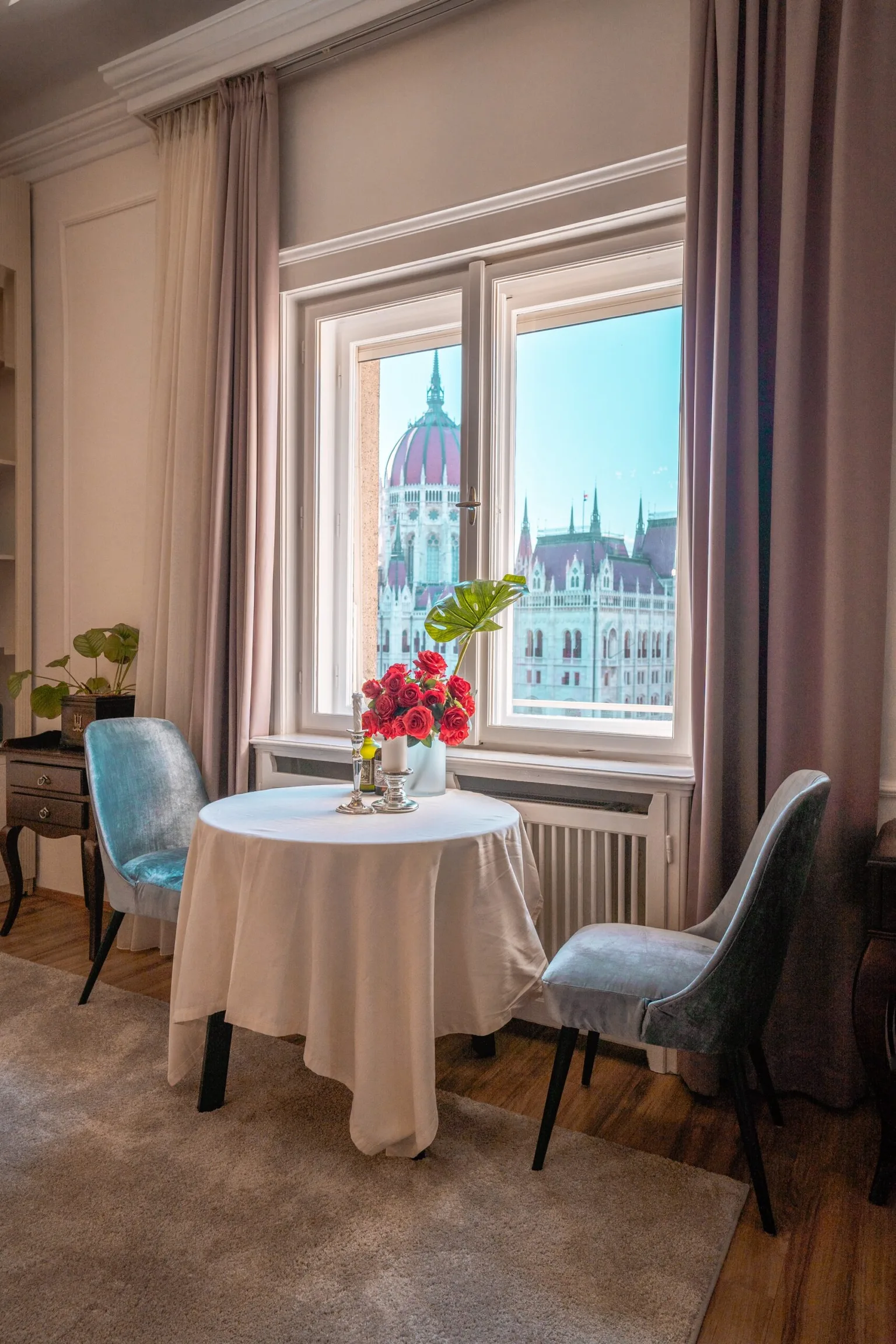
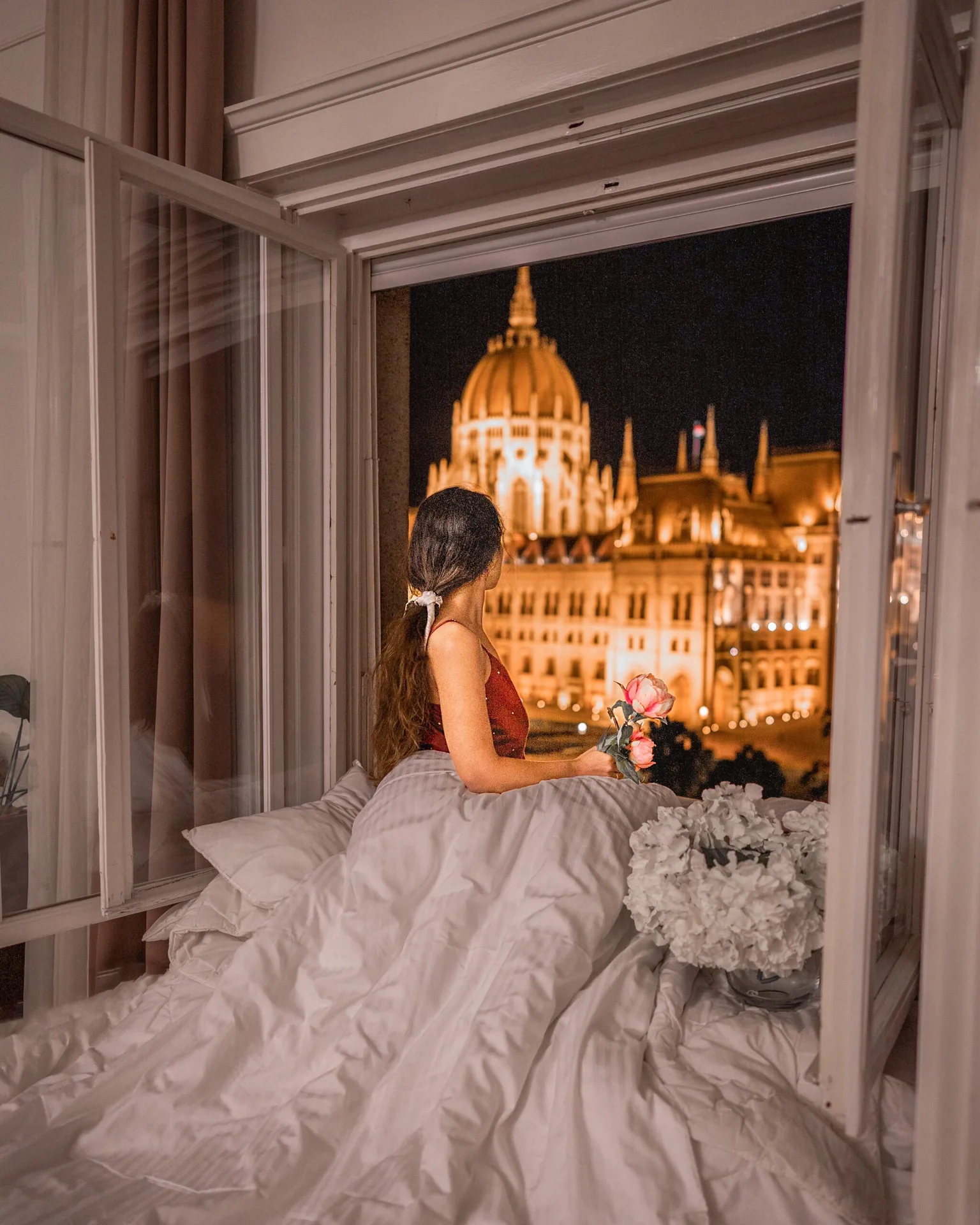
- We stayed in the Palace district near the Central Market for the first half of our trip and then moved to a beautiful Airbnb with a view of the Budapest Parliament for the next few days.
Where to stay in Budapest?
- High-end: I would suggest Anantara New York Palace, which is an elegant mid-century building in the heart of Budapest, close to the Opera and Andrássy Boulevard. The spacious, air-conditioned rooms feature luxurious Italian furniture and fabrics like silk wallpaper and Murano chandeliers.
- Mid-range: Continental Hotel Budapest has each room that boasts Art Deco style and comes with free WiFi, soundproofed windows and air conditioning. Located near Blaha Lujza tér M2 Metro Station, on the M2 line, is 250 yards away, and the Great Synagogue is 500 yards down the road.
- Budget: Danubius Hotel Helia is an excellent option, can be found right on the banks of the Danube river opposite Budapest’s Margaret Island and offers you great fitness, spa and conference facilities. Chez Zeia is a more pocket-friendly option.
Budapest Itinerary
Some facts:
- There are two sides of Budapest separated by the Danube River, Buda and Pest.
- The central area of Budapest along the Danube River is classified as a UNESCO World Heritage Site and has several notable monuments of classical architecture, including the Hungarian Parliament and the Buda Castle.
- The city also has around 80 geothermal springs, the largest thermal water cave system, the second-largest synagogue, and the third-largest Parliament building in the world.
Day 1 ( land in Budapest)
- The first thing after landing, taking the bus to the hotel, and dumping the bags is eating a plate of Chicken Paprikash and washing it with a glass of Palinka in Calvin Bistro. Do try it and you will not regret it.

- Then begin your Budapest itinerary by immersing yourself in the city and learning from a local guide. There are plenty of free walking tours to choose from. The guides only work on tips, so do tip if you enjoyed one.
- After the walking tour, duck into Szimpla Kert Ruin Bar for a nightcap. I found the cheapest drinks here.
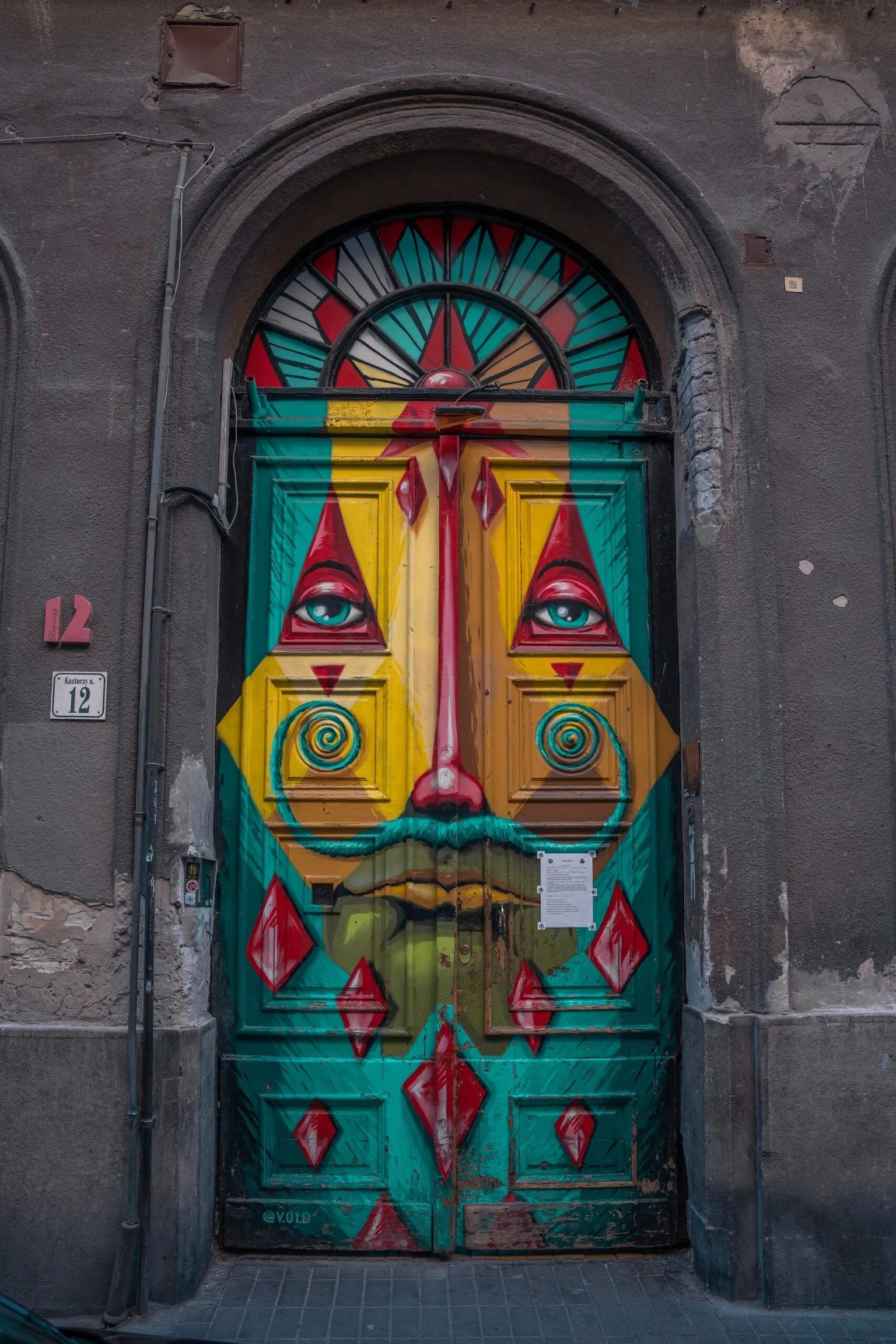
- After all the drinks, try dinner of hearty ramen on the same street from Ramenka.
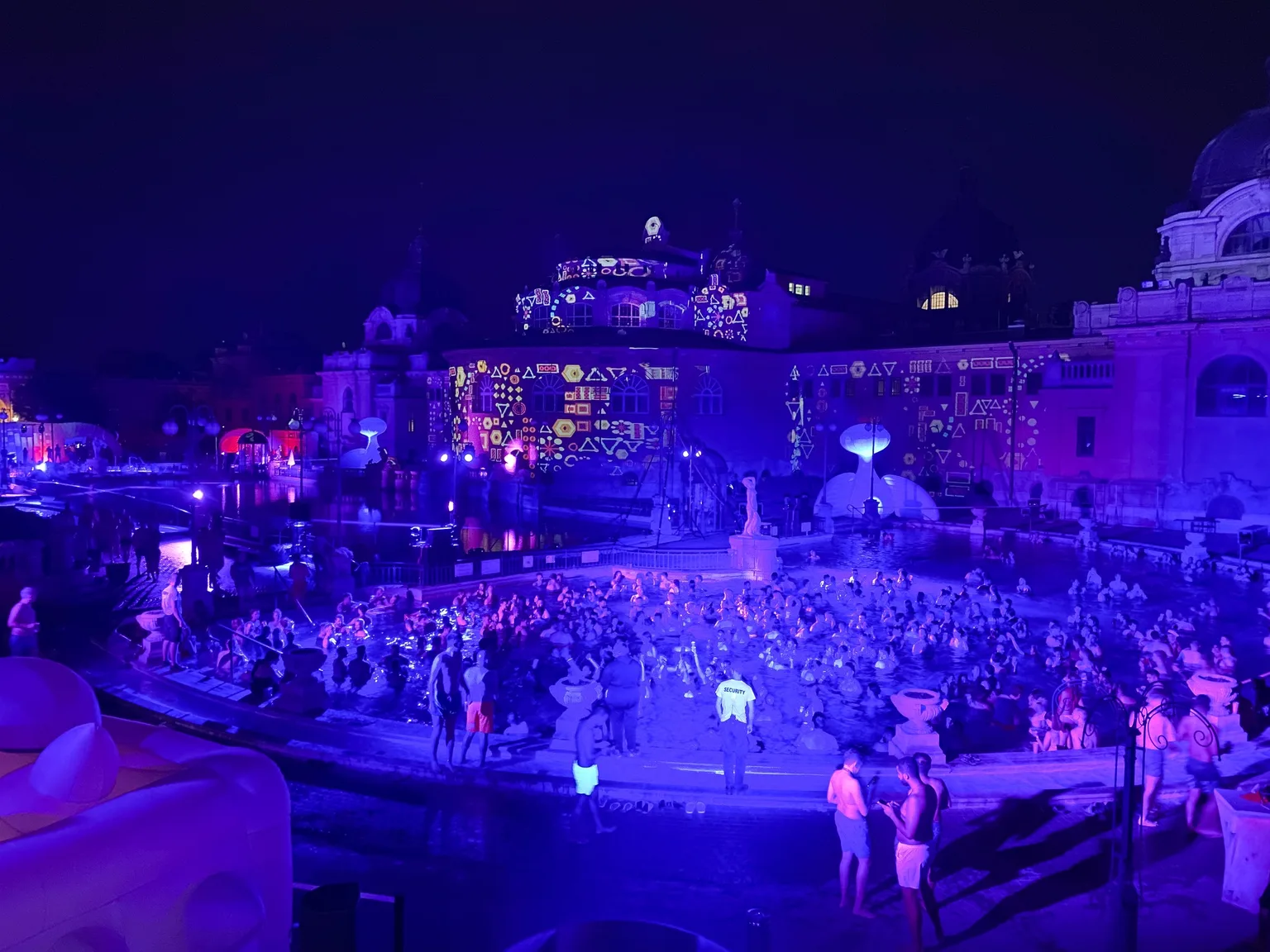
- Since we landed on Saturday, our night wasn’t over. We had booked Sparty ( a Spa party) in Széchenyi Thermal Baths, which happens only on Saturdays from 9 pm to 2 am. Book in advance online, the price of tickets is £40 per person.
Day 2
- We found an artisanal bakery near the place we stayed for the first 2 days, called Bageri, and went to the same place for breakfast. Do try the croissants and the various freshly hand-baked pastries, they are as good, if not better than French patisseries.
- Take a tour of the Hungarian Parliament – To head inside Hungary’s most iconic building, be sure to book a few days in advance. Inside, you’ll view the Hungarian crown jewels and explore the maze of chambers and staircases while learning about the building’s history from a guide. I missed touring inside on my 2 trips, so make sure to book in advance

- Shoes on the Danube– Nearby Parliament, you’ll find this memorial. A collection of metal shoes sits on the banks, remembering those who were shot and murdered there during World War II. While the whole period was an atrocity, this specific memorial commemorates the 3,500 people killed on these banks and lost to the Danube, 800 of whom were Jews.
- Afternoon, relax and soak in Széchenyi Thermal Baths – The Széchenyi Baths are the most popular option, their bright yellow facade set against the blue sky and cloaked in plumes of steam. I’ve been twice and can’t vouch for them enough. Entry is €22 on weekdays and €24 on weekends, including entry to the indoor and outdoor pools as well as locker hire.
- Evening boat cruise – The Danube has all kinds of evening entertainment from restaurants on the banks, party cruises and sit-down dinner cruises. We took a sightseeing cruise with a glass of wine and audio commentary. They offer a totally different view of beautiful Budapest: even if you’ve seen the main sights already, they look effortlessly more beautiful at night, especially the majestic Hungarian Parliament building.
Day 3
- Breakfast in Bageri with freshly baked pastries and juice
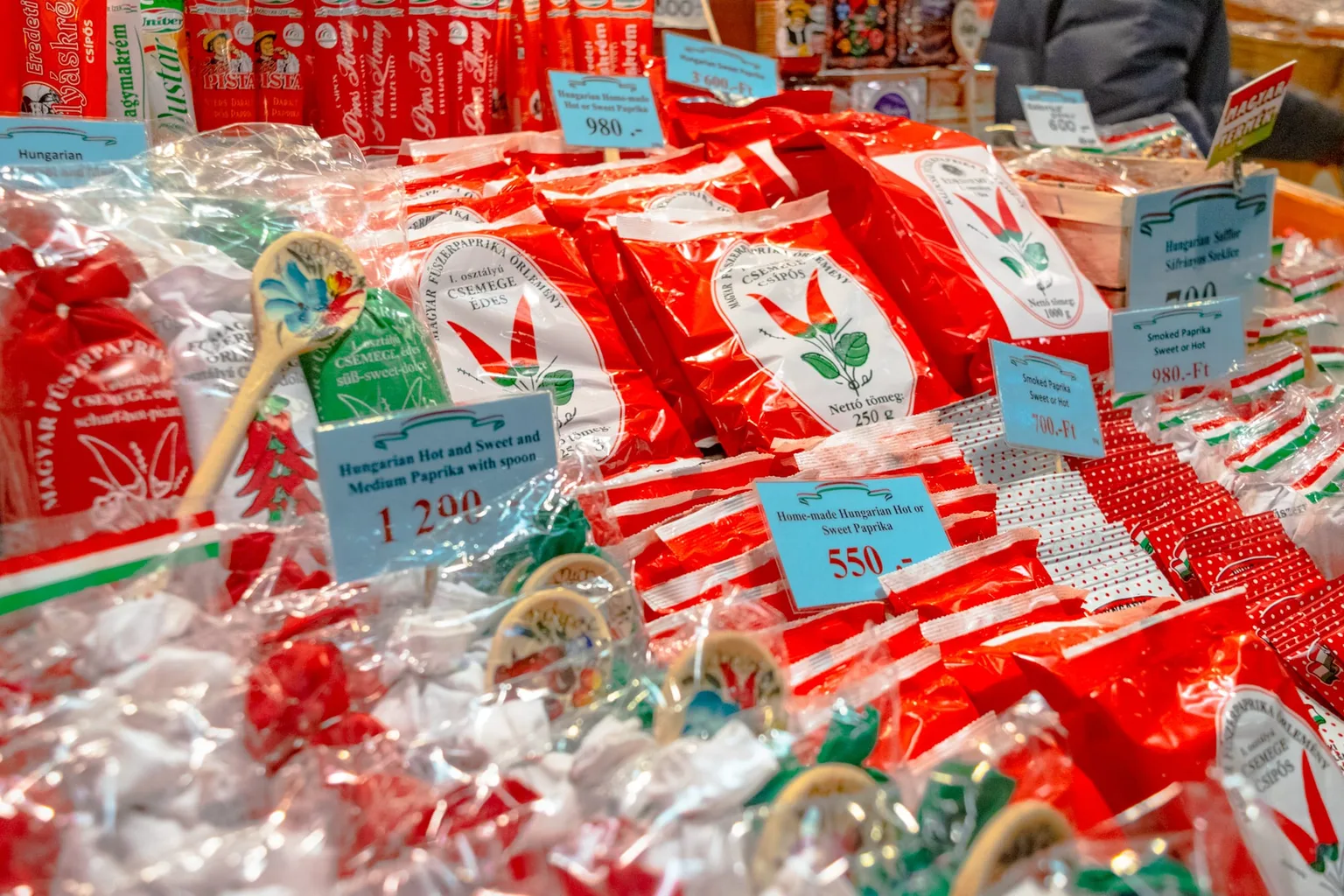
- Central Market Hall – If you don’t want to shop, there is local food and drinks that you can sink your teeth into. I grabbed bags of Paprika for souvenirs from here, as my mum and I love them.

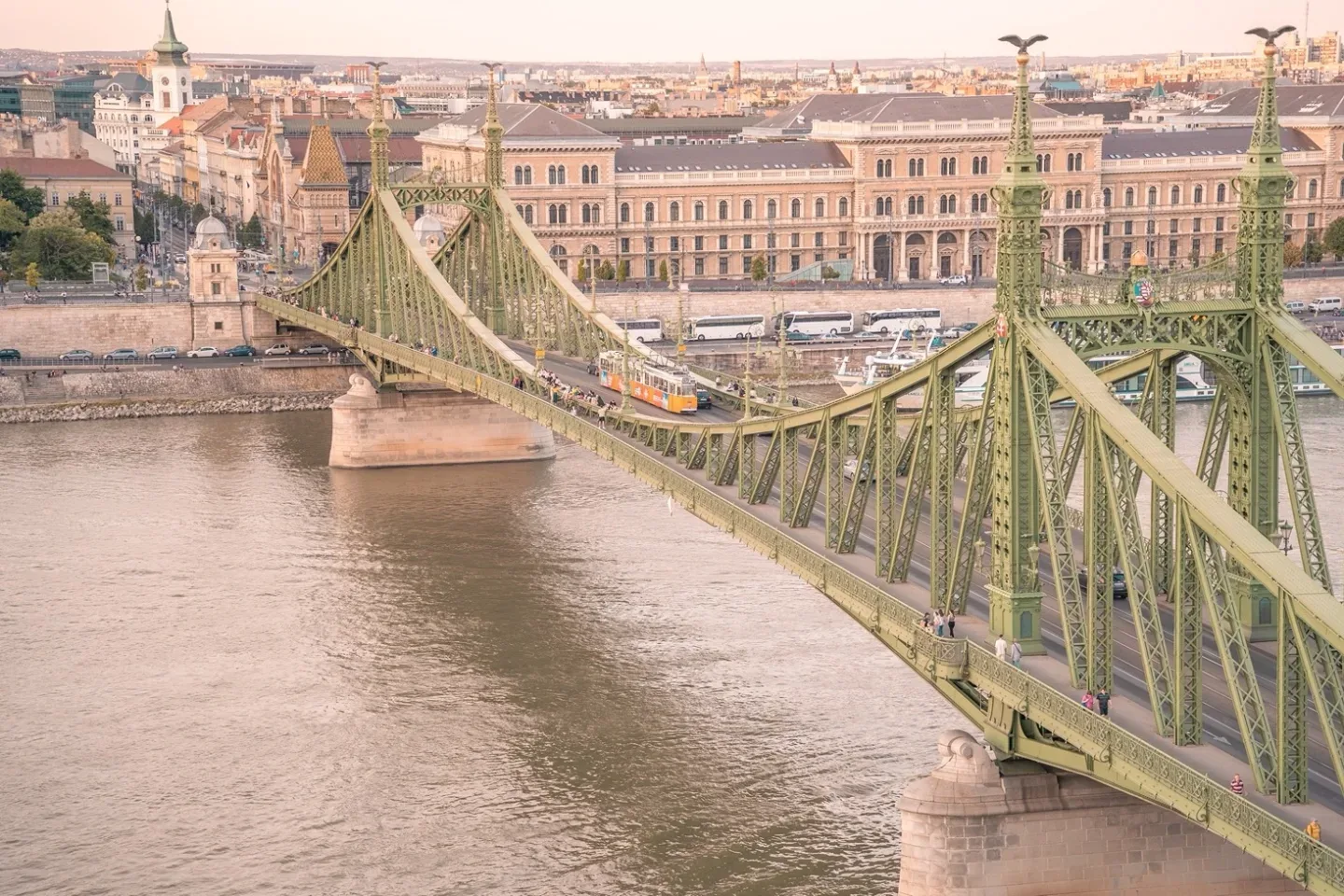
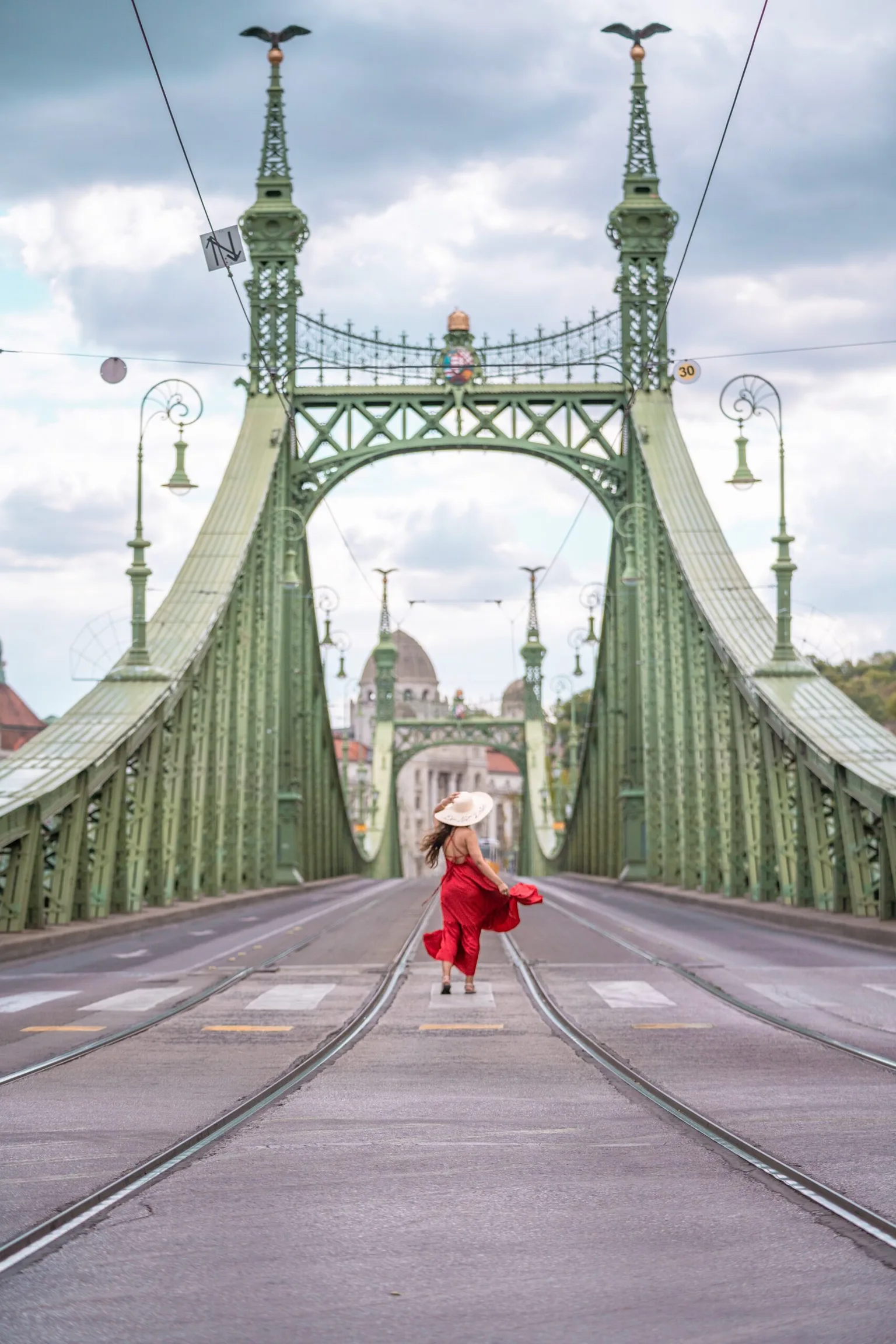
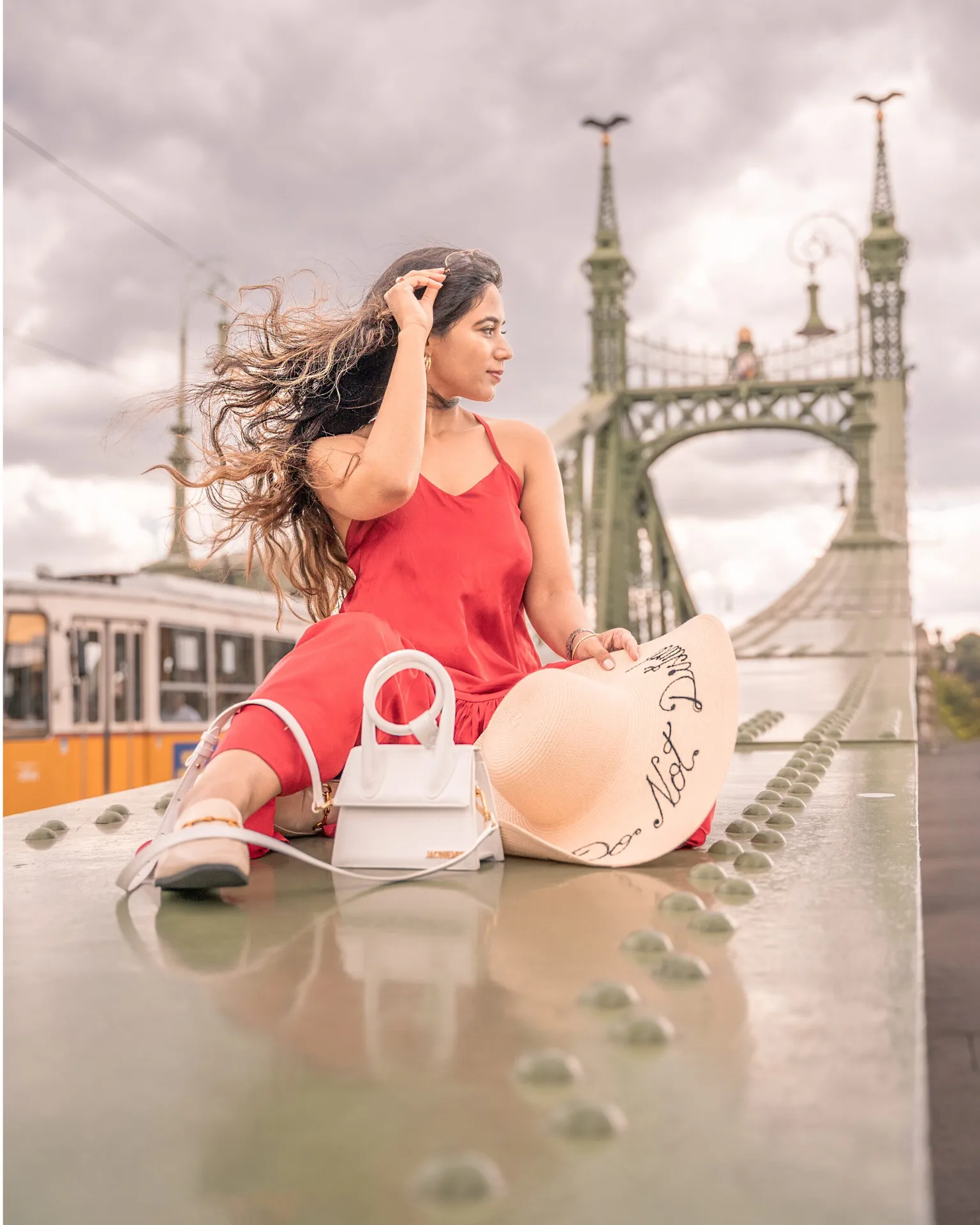
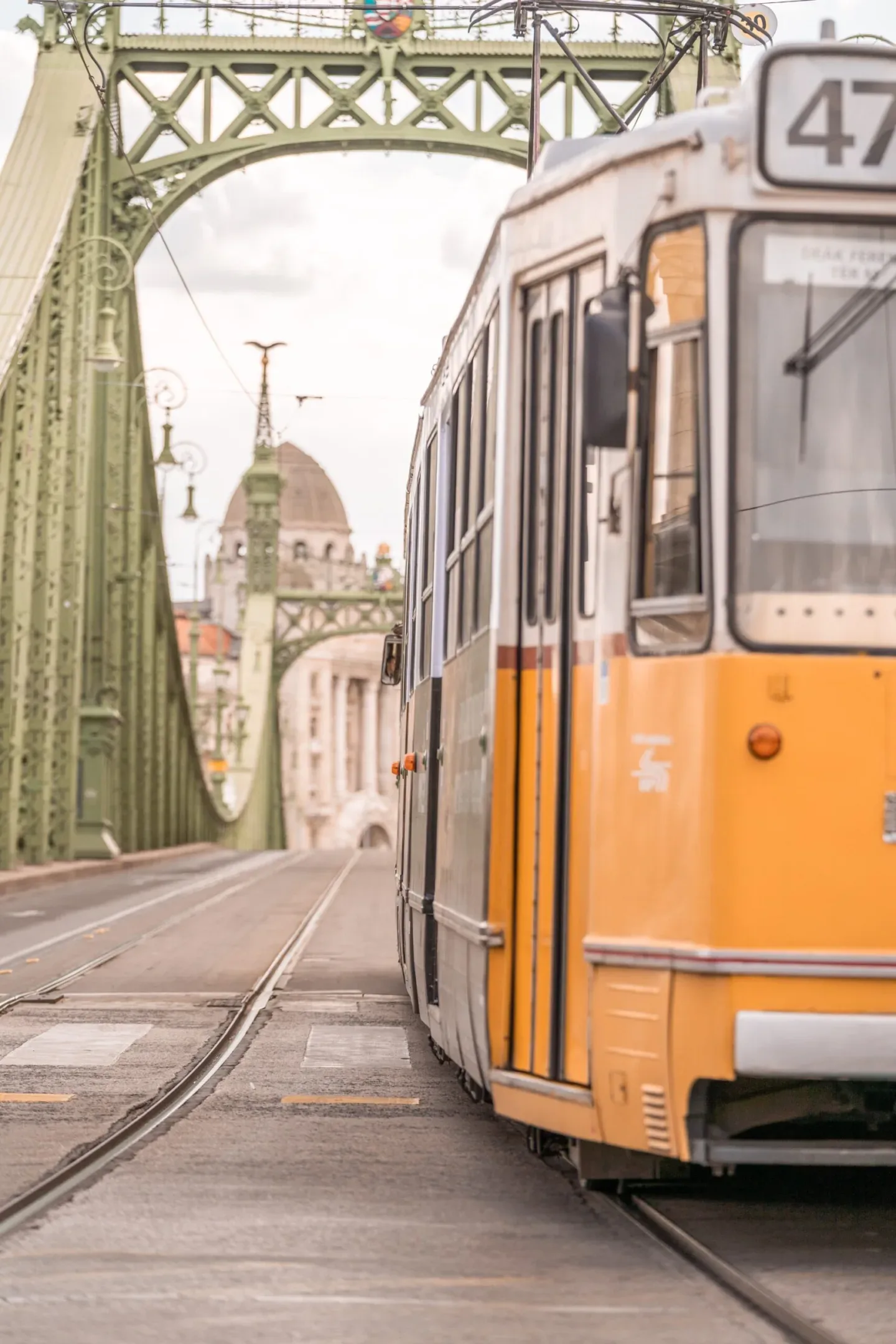
- Liberty Bridge – On a warm afternoon, day and evening, this is the best place to sit, soak up the sun and have a picnic right on top of the bridge ( do as the locals do)
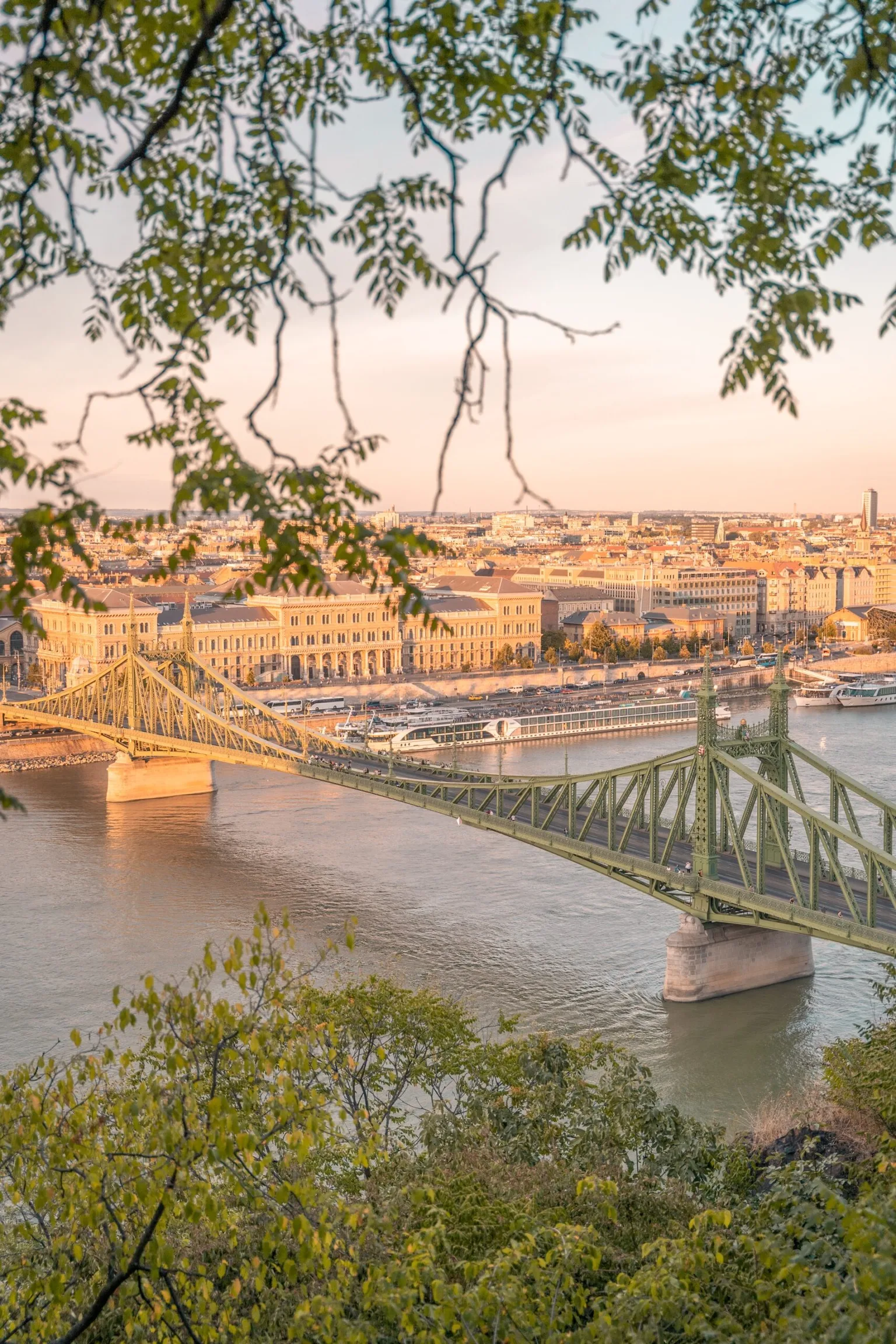
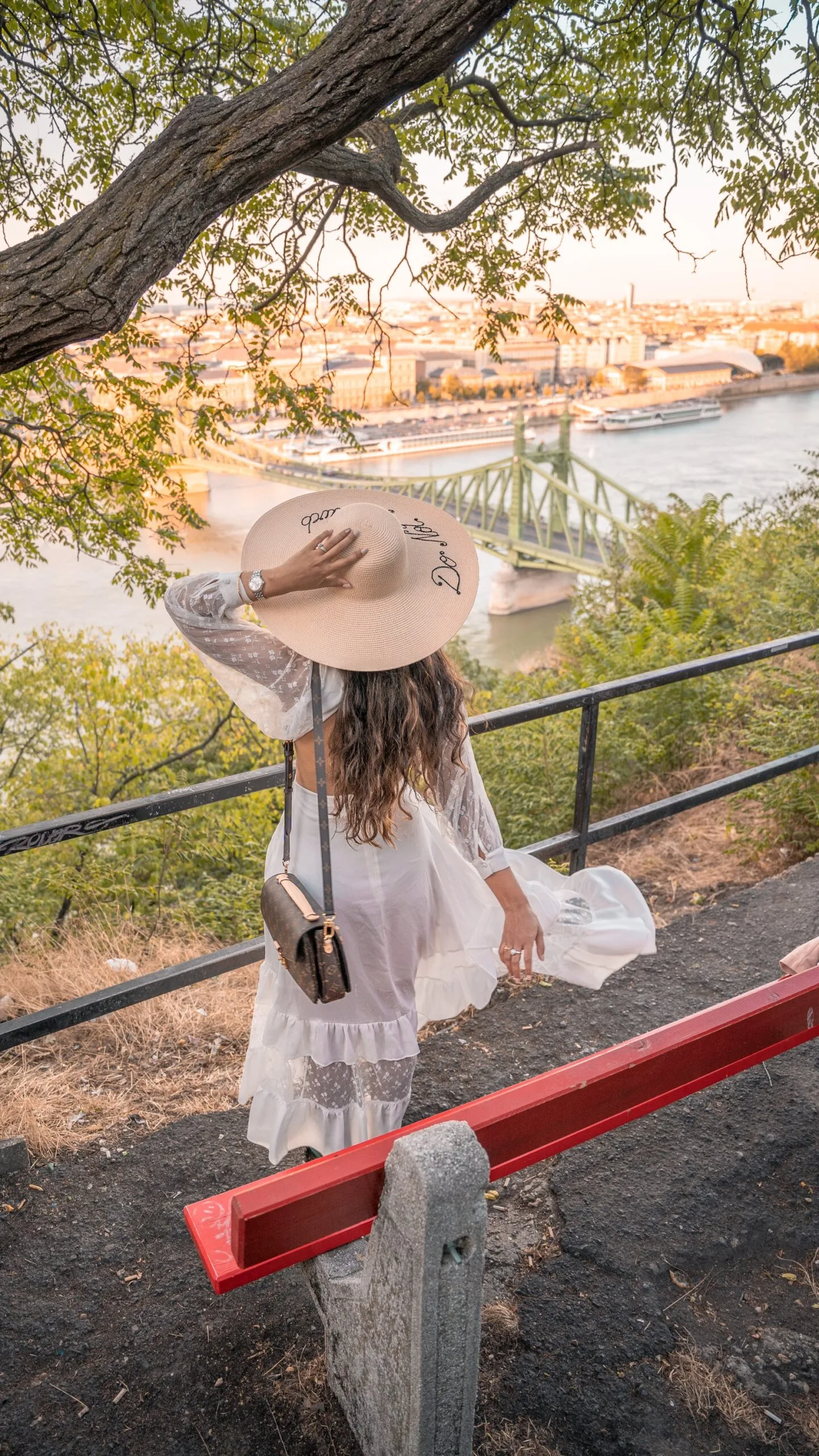
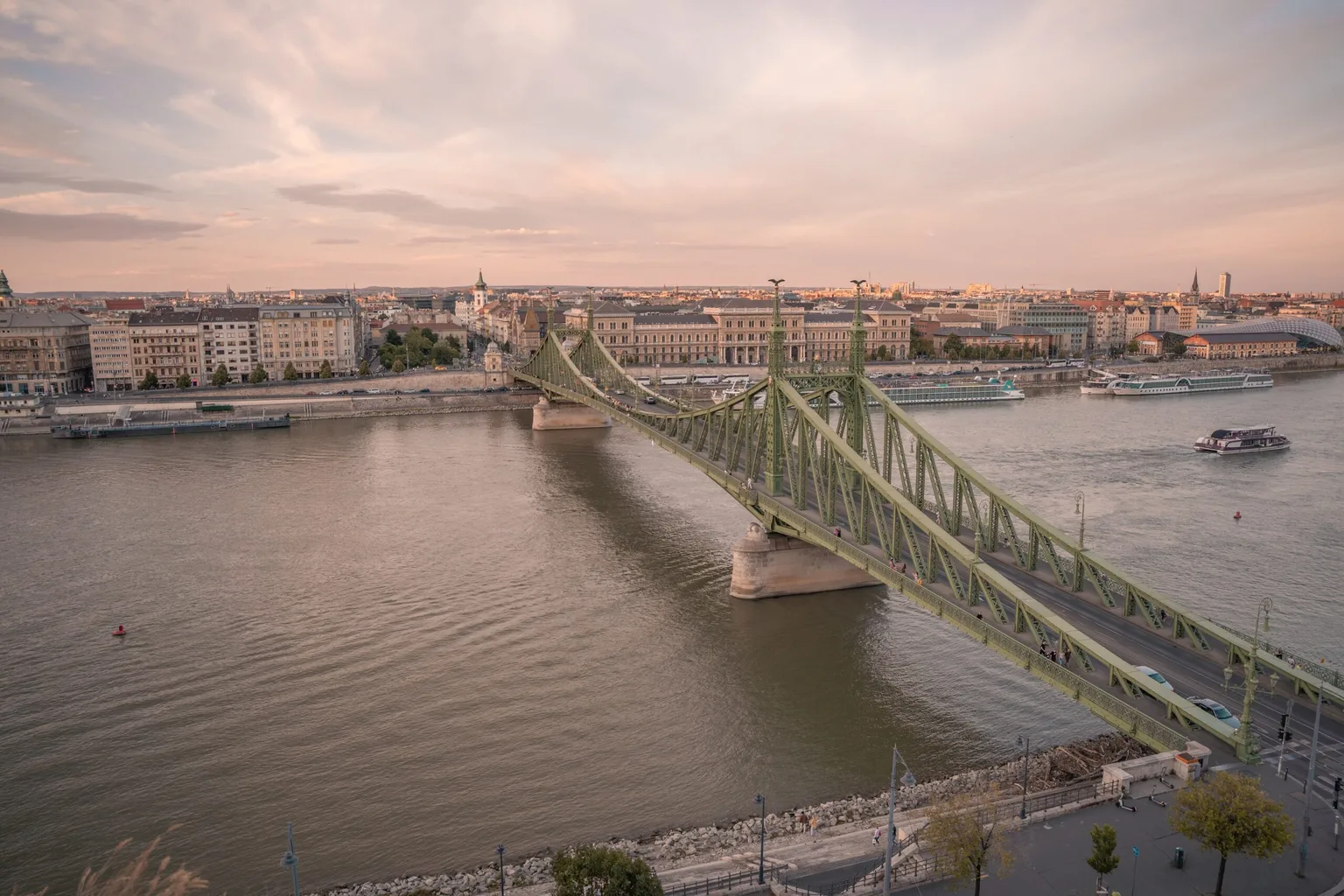
- Sunset in Gellert Hills– The hill next to Gellert Spa and hotel offers a panoramic view of the city from the observatory deck of the Liberty Statue. The hike up the hill to the Liberty statue will take 35 mins and is a bit steep in certain places, so do wear good walking shoes. In our case, the Liberty statue was closed off, but there were plenty of spots to sit down with a small picnic and enjoy the sunset.
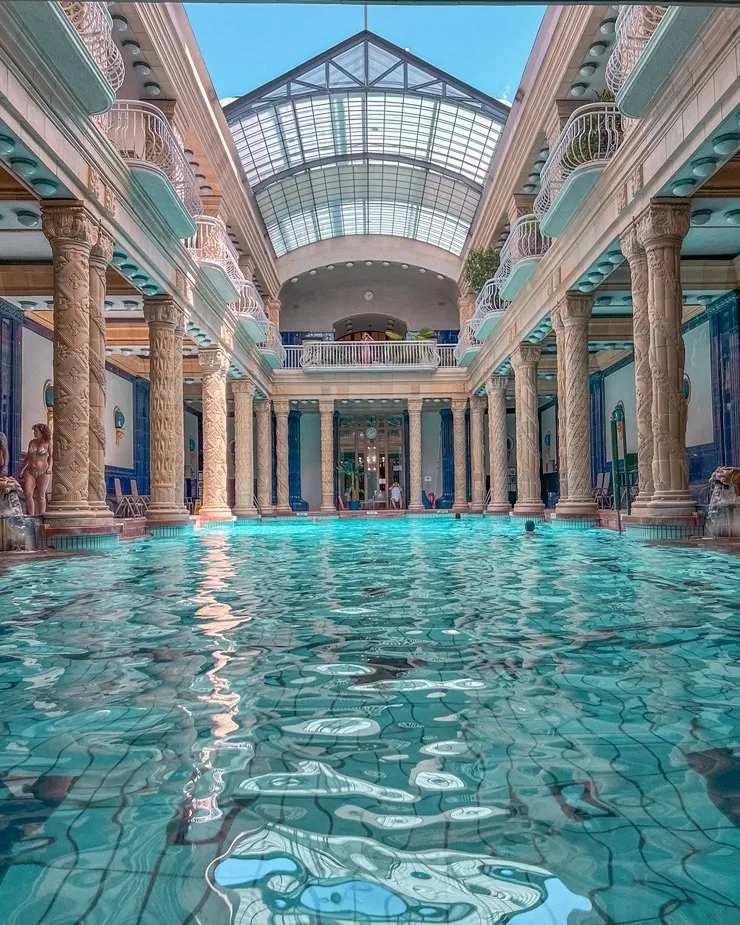
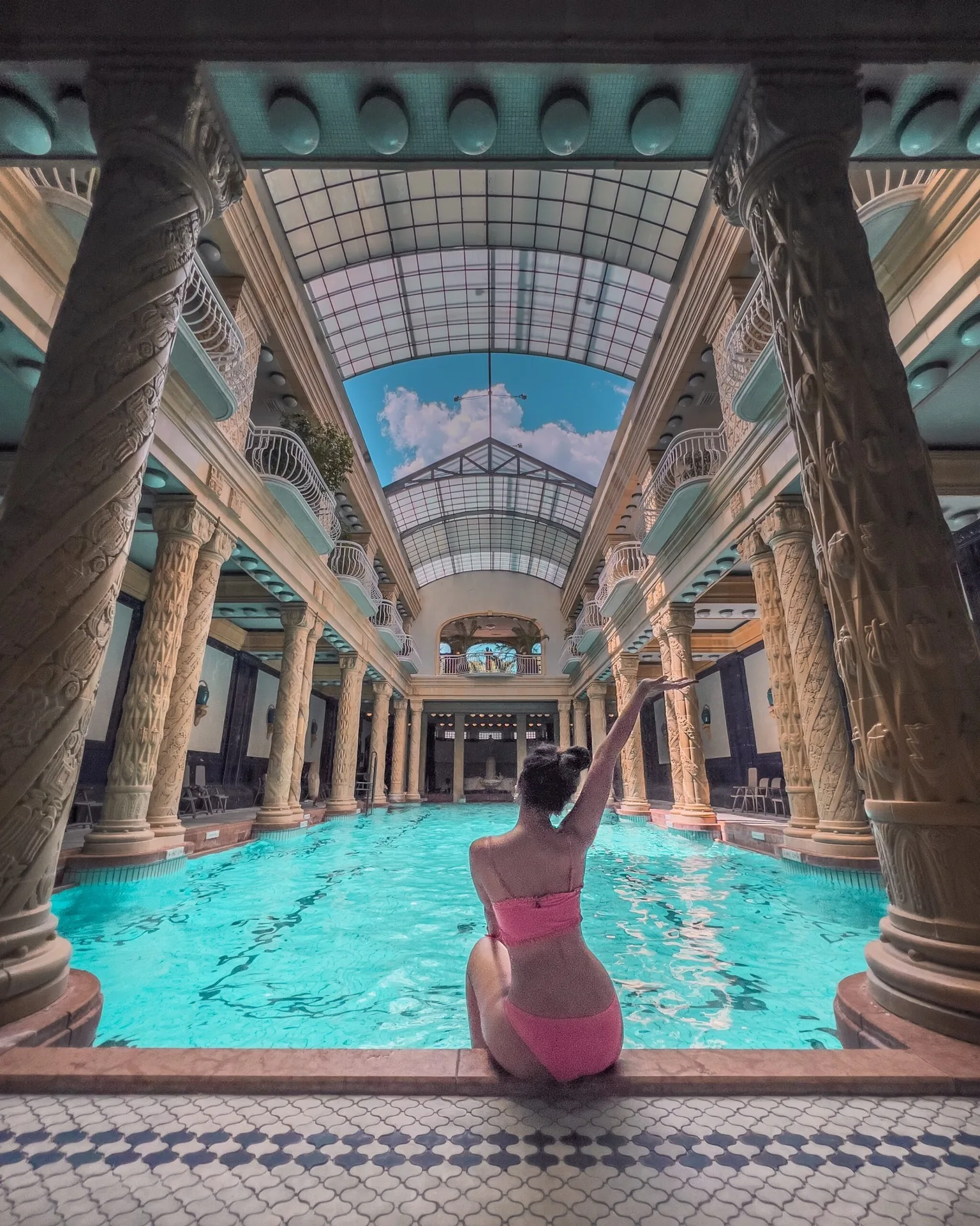
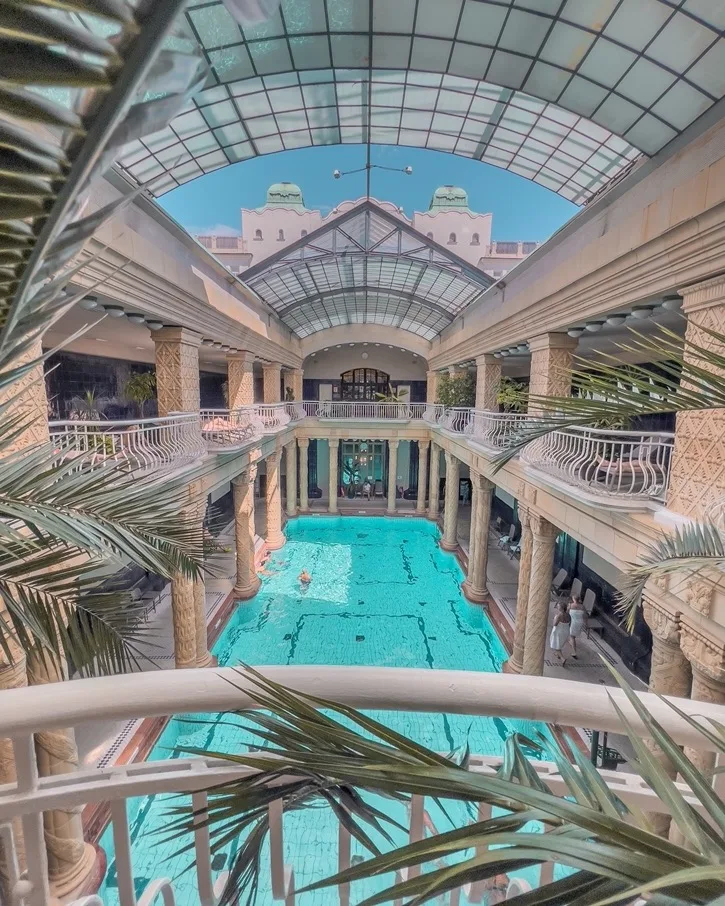
- End the day with a soak in Gellert spa– In my opinion, the most beautiful spa in Budapest, it is a must-visit even if you don’t visit Széchenyi Baths. Ticket prices range between 6,300-7,100 HUF (20-22 USD) per person. You can access the spa for any amount of time with the tickets.
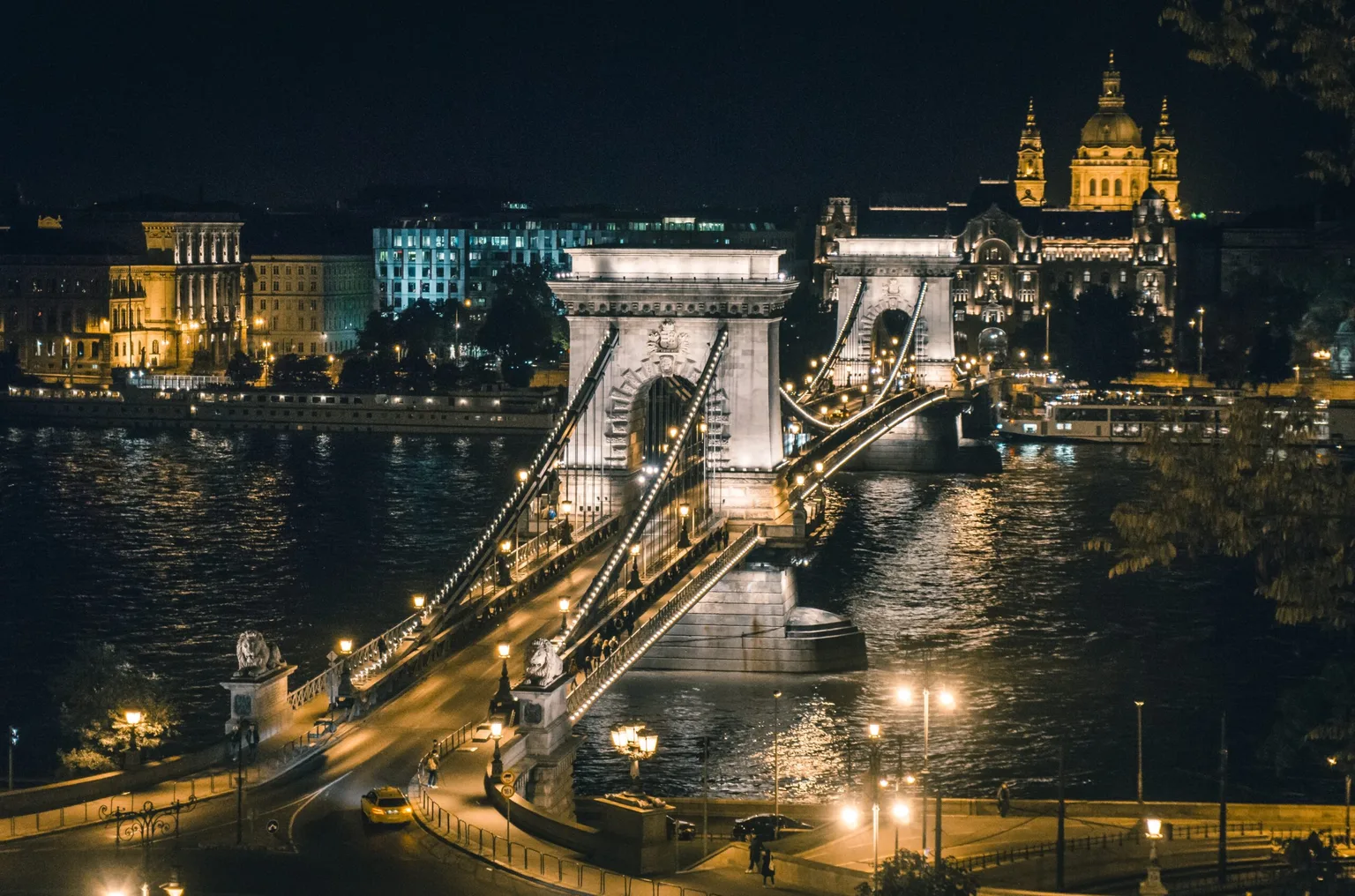
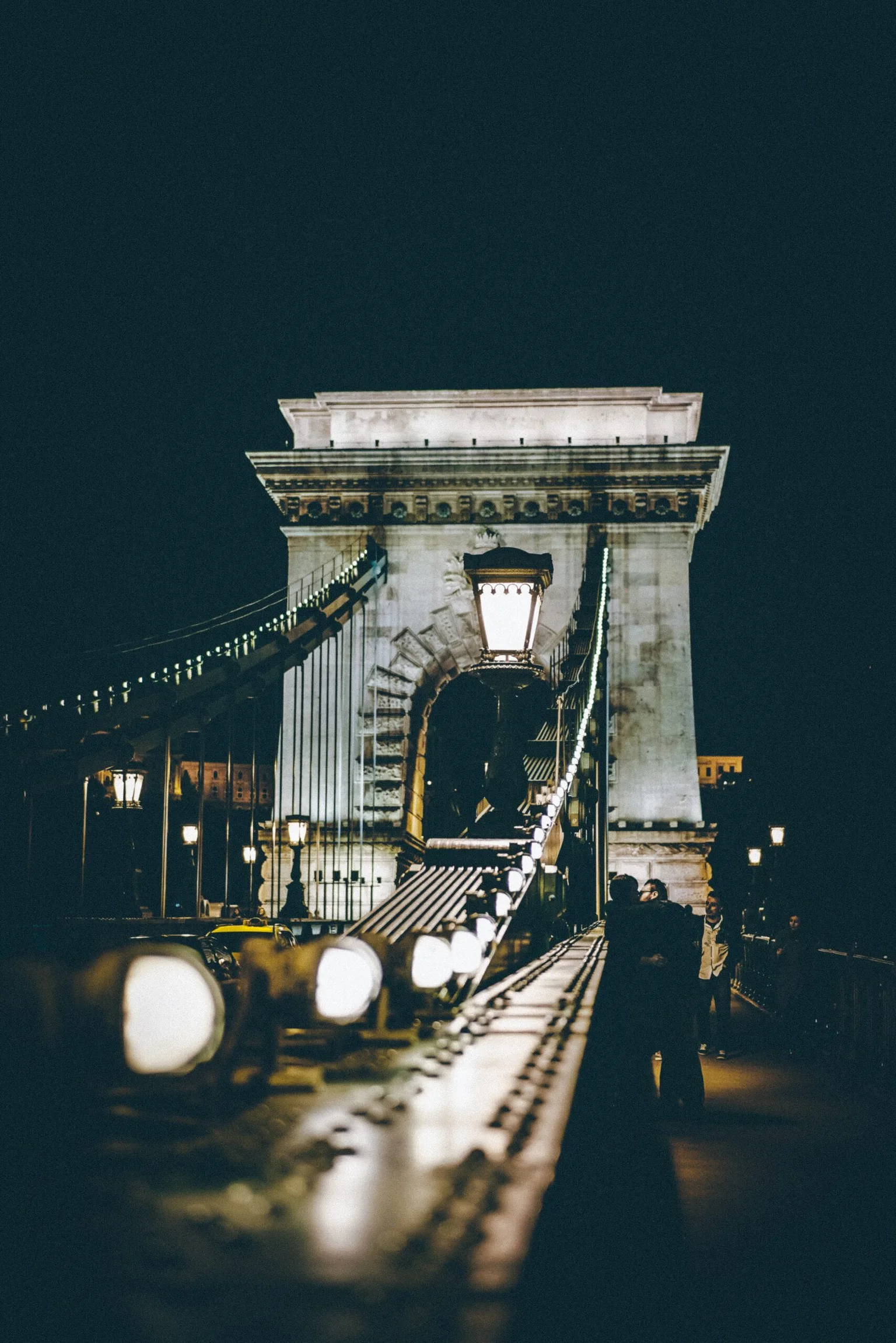
- Visit the Chain Bridge and soak in its glow during the night; it is the most stunning bridge in Budapest.
Day 4
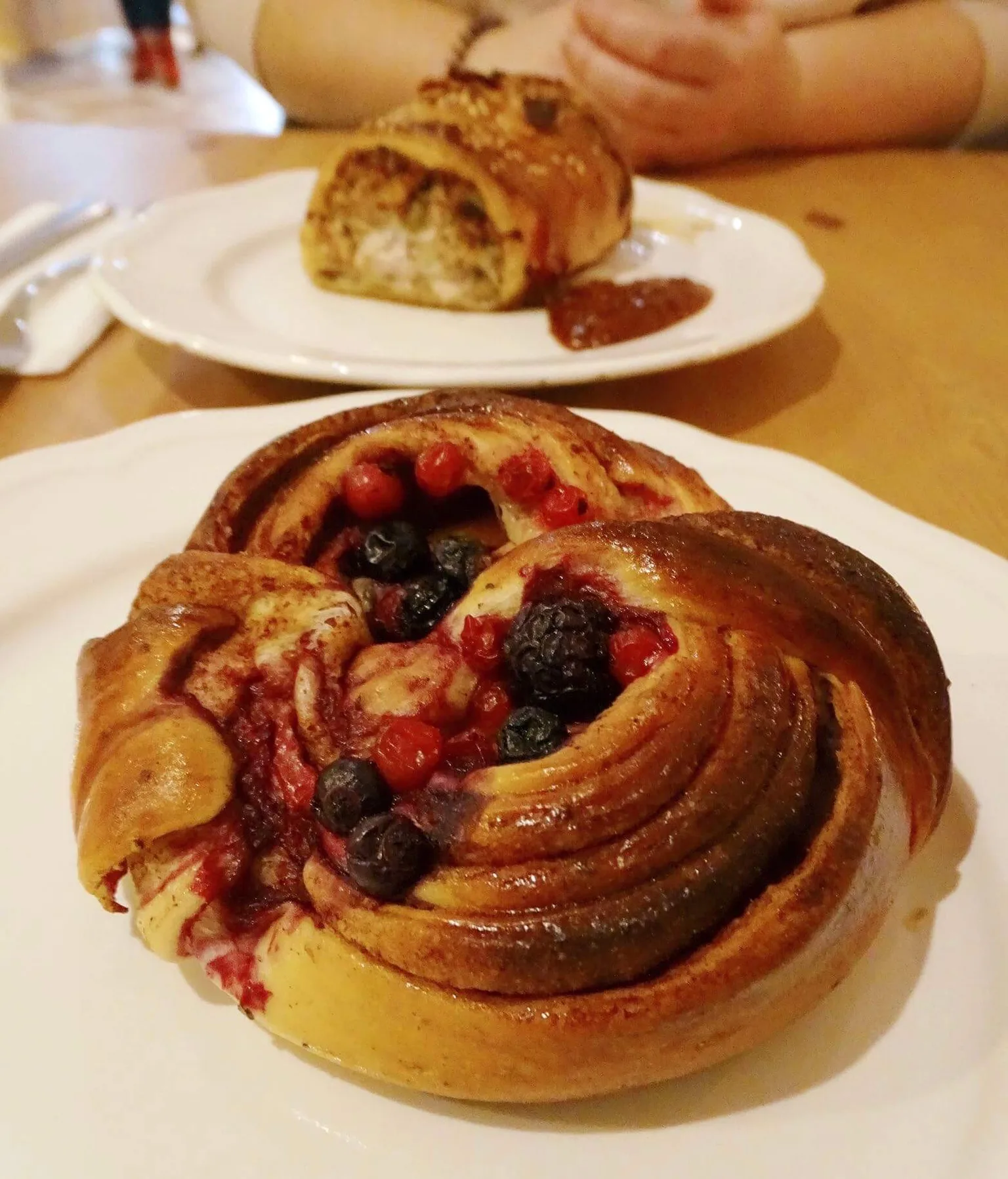
- We moved to another Airbnb near the Budapest Parliament and found another bakery called Artizán Bakery. You have to try the red berry one if you want a typical Hungarian treat.
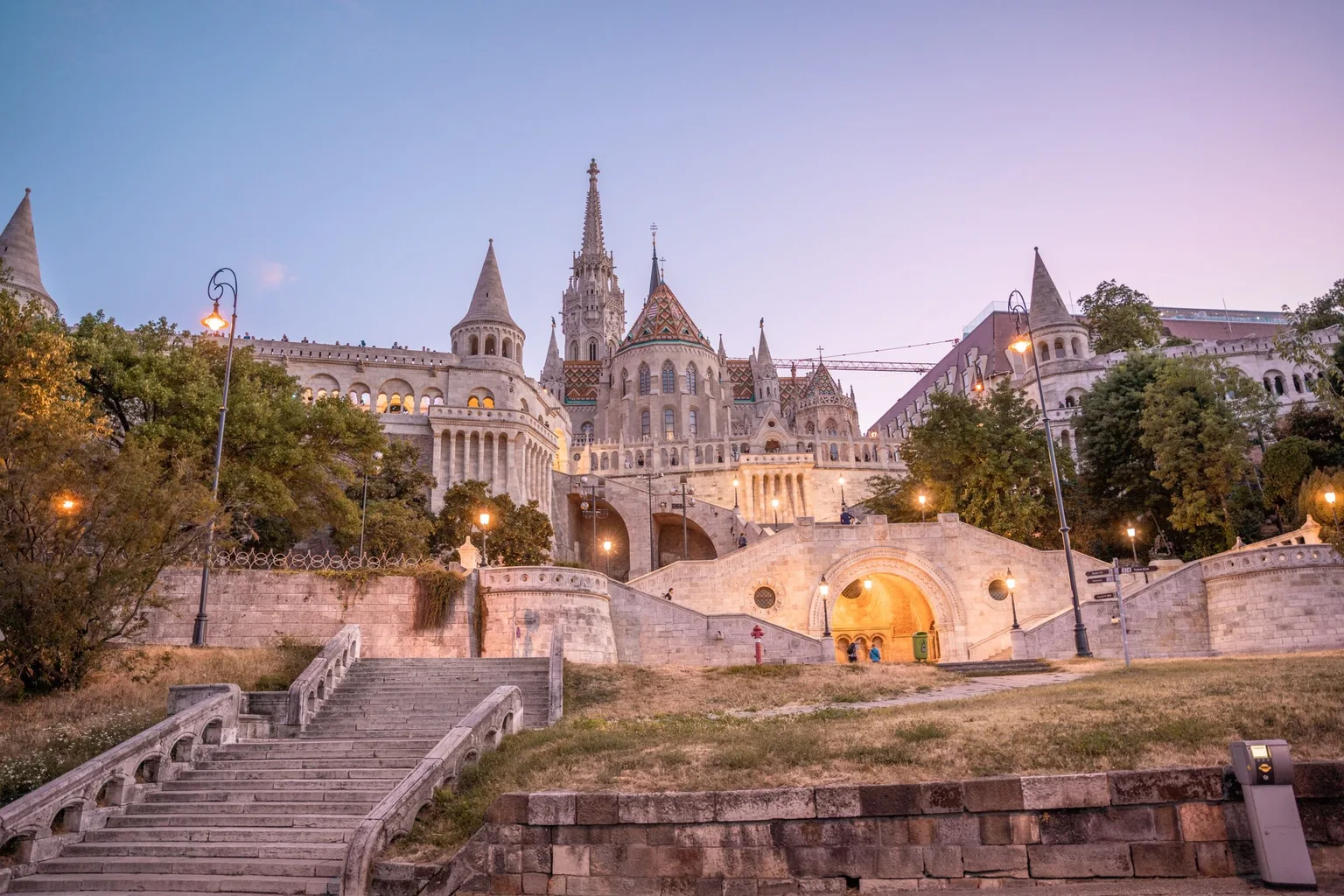
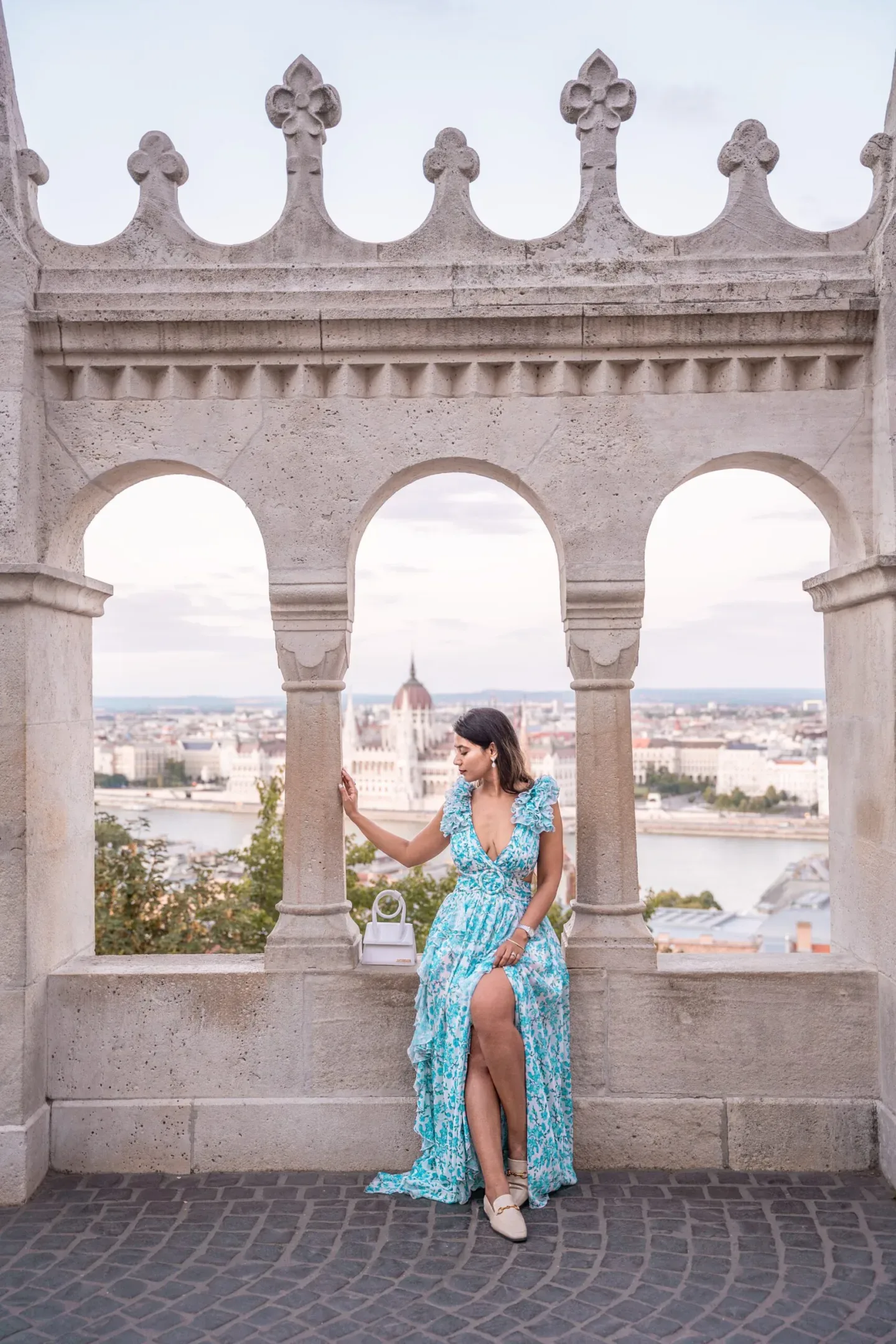
- Fisherman’s Bastion – At the top of Buda Hill, on the other side of the river, stands Castle Hill, a must for three days or shorter in Budapest. It’s a relatively easy climb, but you might want to catch the funicular for novelty value, or just because you can’t be bothered to walk. A one-way funicular ticket costs 1,200 HUF. Once you reach the top, turn left for Buda Castle or right for Fisherman’s Bastion. Preferably, take two hours and do both. My favourite was Fisherman’s Bastion, for its views of the city and the immense amount of Photo points ( you can read more in my blog for IG spots in Budapest). Free to visit except for some upper towers, which cost 800 HUF.

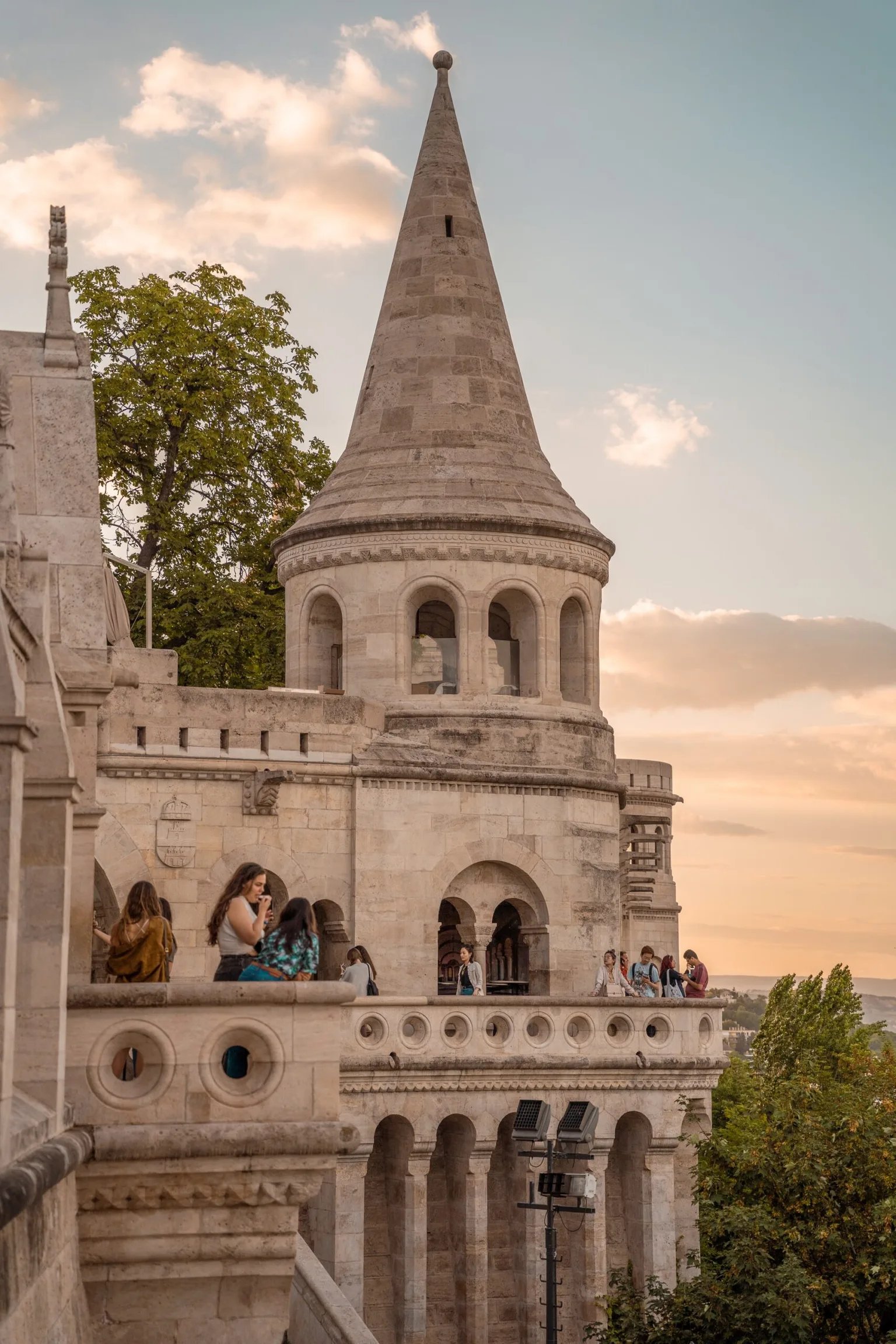
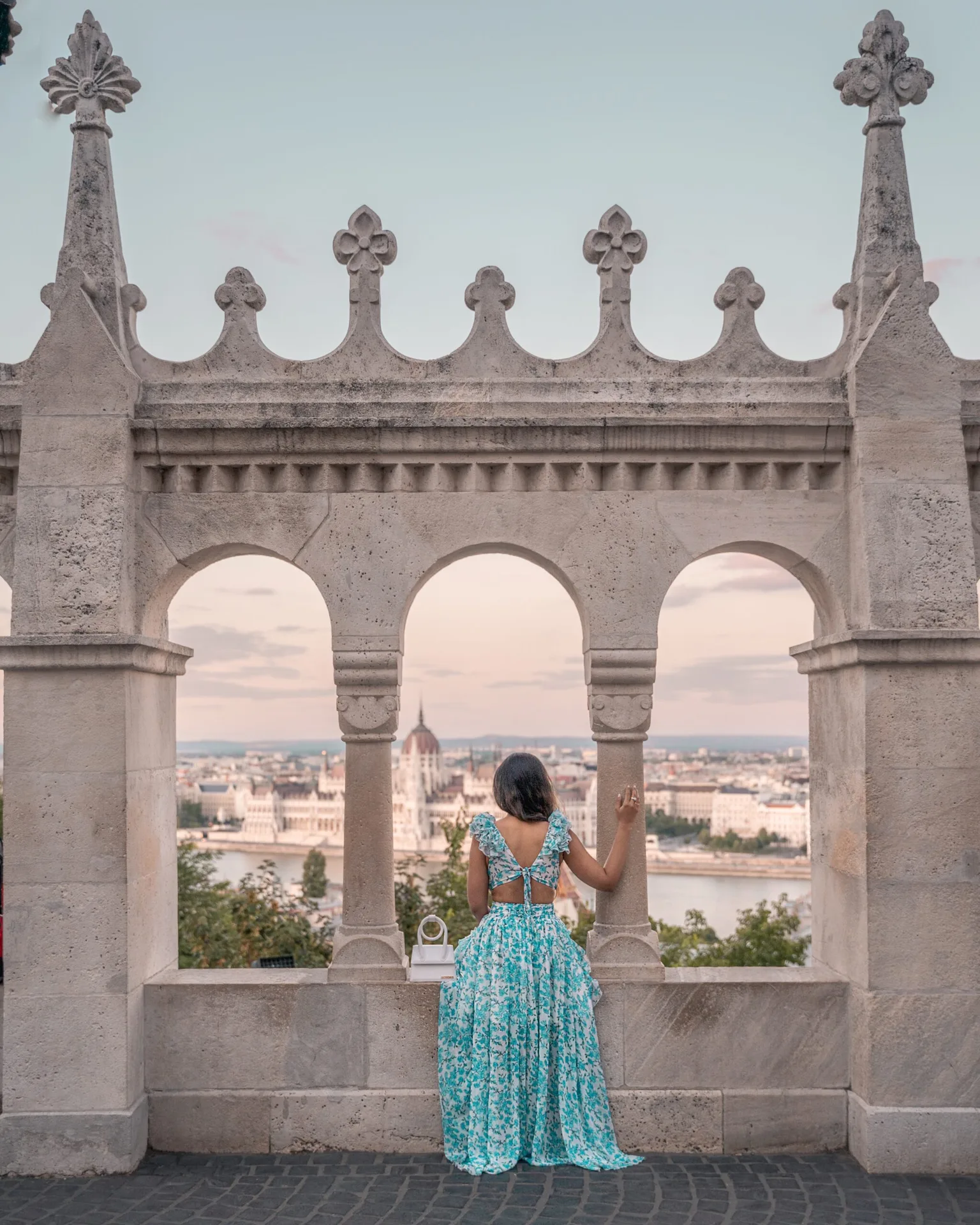
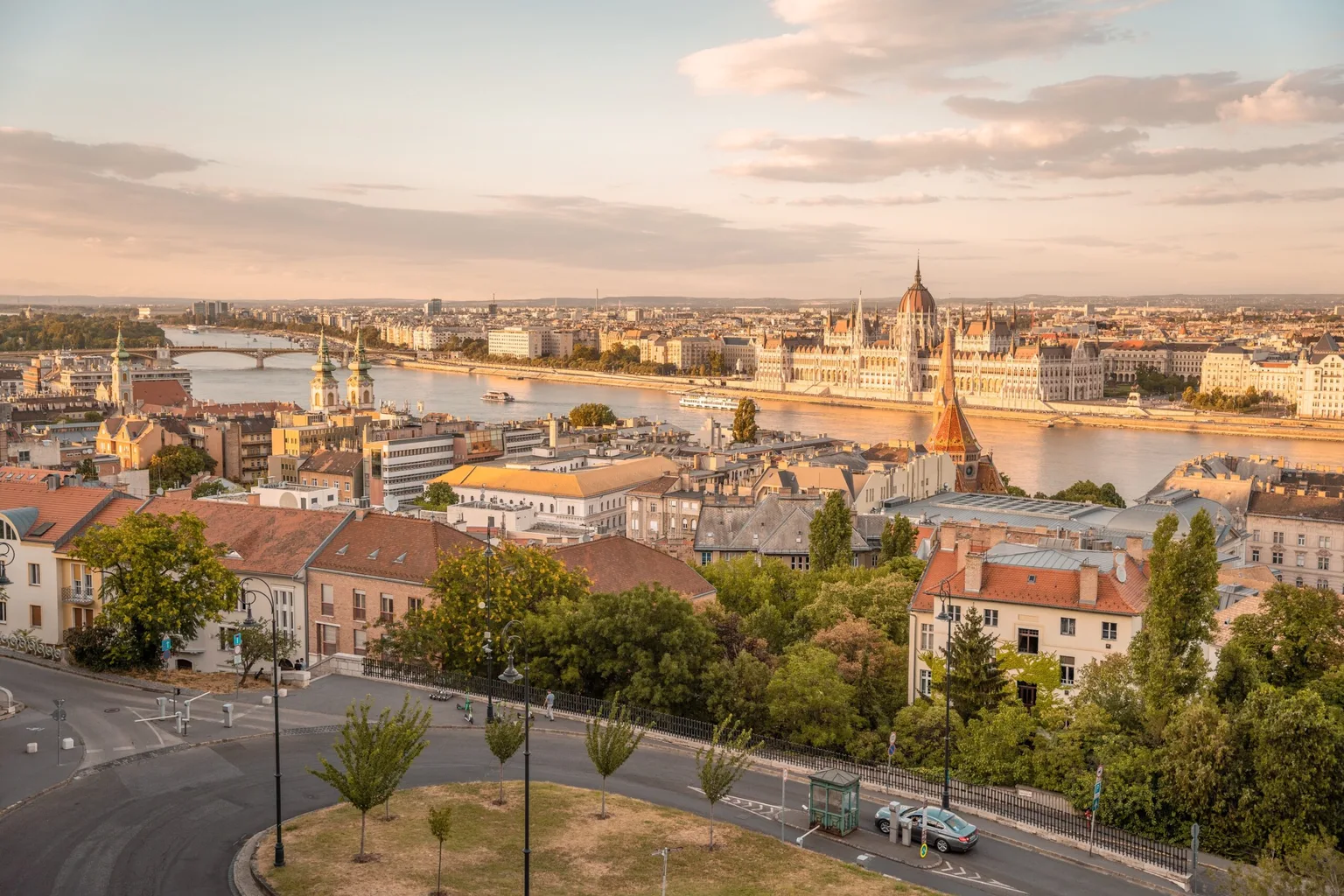
- Buda Castle – houses 2 museums, the Budapest History Museum detailing the city from Roman times through Turkish rule, war, and communism to the present day. And the Hungarian National Gallery, the city’s fine art gallery. Browse thousands of works of art from medieval to surrealist. Climb to the dome at the top for unrivalled city views. Ticket prices: Budapest History Museum – 2,000 HUF and Hungarian National Gallery – 1,800 HUF
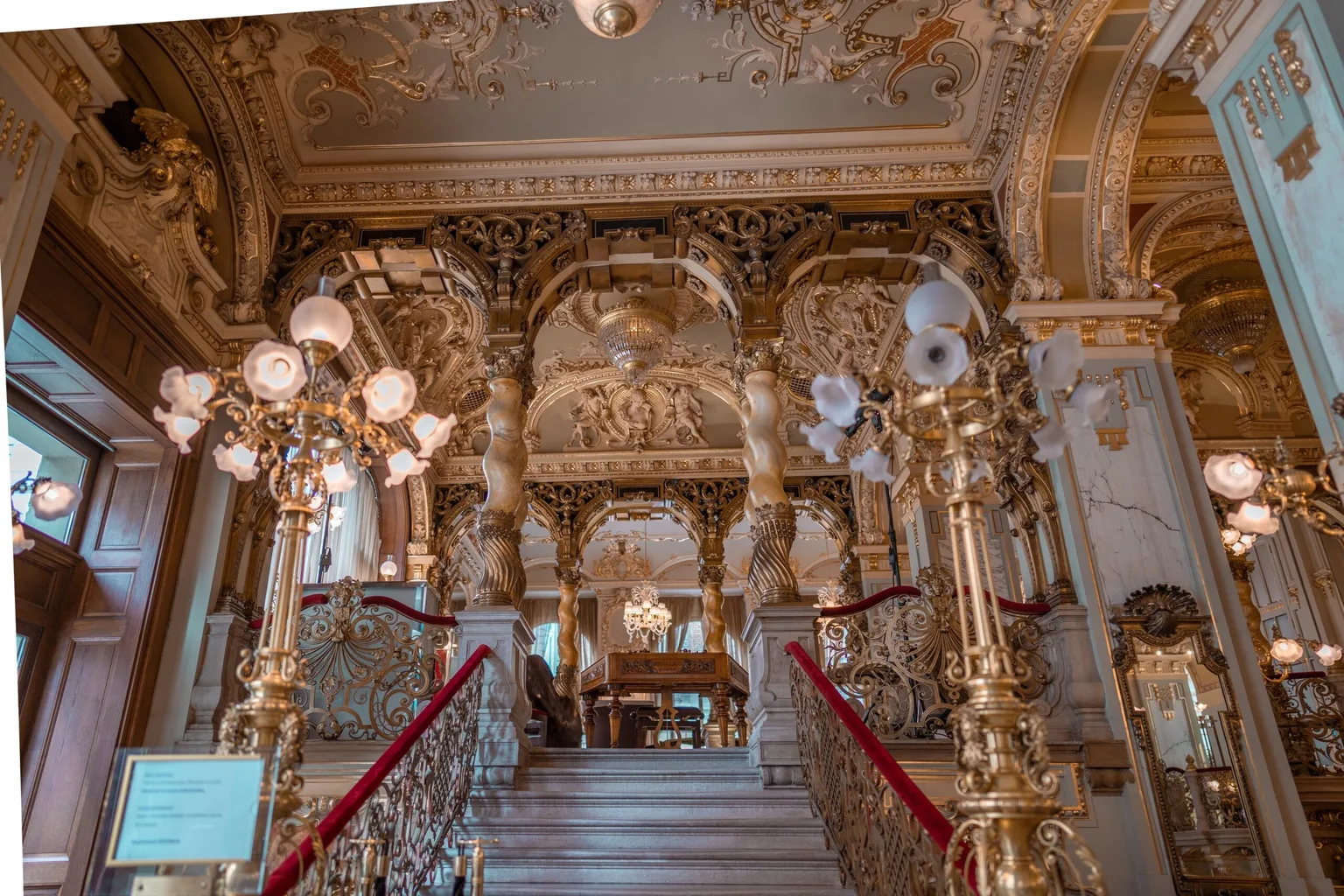
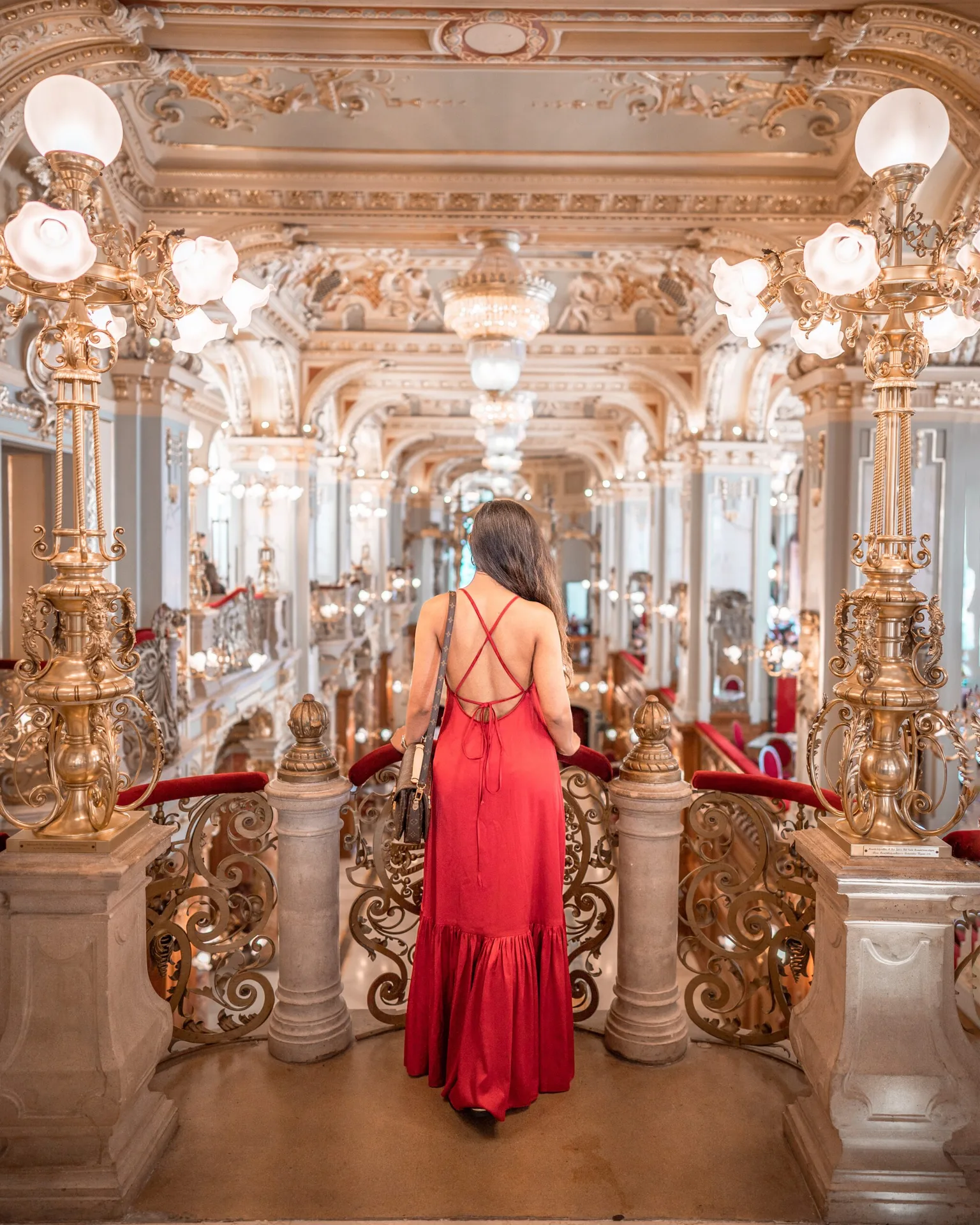
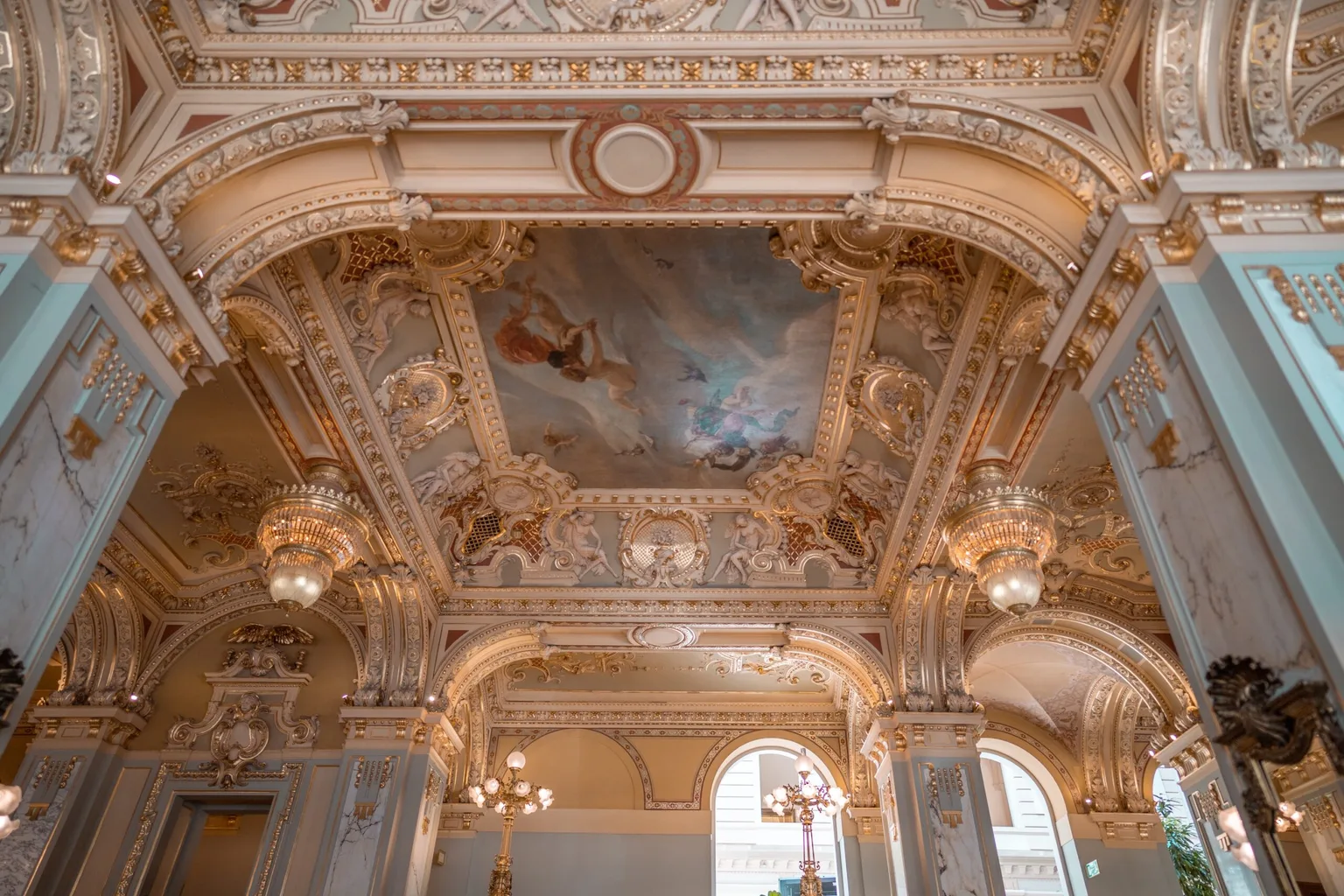
- Lunch or Dinner in New York Cafe – This is a very popular cafe, and the interiors look like it was made for royalty or were part of a palace. The queue gets quite long, so I would suggest booking a table in advance to avoid queuing. Try the Chicken Paprikash and the Tiramisu for dessert here.
- End the night in the Ruins bar again- well, why not? The ruin bars are hip and eclectic, and every one of them has a different decor, plus the drinks are cheaper than anywhere else.
Day 5 (Leaving Budapest)
- Breakfast and fresh juice from Artizán Bakery. We were going to check out in the morning for our flight in the morning. So our morning till noon went into packing and attending work calls. After which, we checked out and stowed our luggage.
- Dohány Street Synagogue – As the largest synagogue in Europe (not to mention the most beautiful), Dohány Street Synagogue is the ultimate place to learn about Jewish history as you explore this architectural masterpiece. It was built in the 1800s, borrowing Moorish styles from North Africa and Spain. Entry costs 4,500 HUF (€13) and includes a guided tour, entry to the Hungarian Jewish Museum in the same building, and access to the memorial to the 30,000 Jewish Hungarians who were killed during the Holocaust.
- The House of Terror – the Fascist Arrow Party’s headquarters held their enemies in these basement chambers. It’s certainly a sombre visit, but an important one to understand Budapest’s history. The entrance is 3,000 HUF.
Where to eat in Budapest?
Budapest surprised me when it came to food and tastes. After being in Bangkok and tasting eclectic luxurious plates to street-side lip-smacking dishes, I pretty much gave up on anything tasting good to my tongue. Until I came to Budapest!
Not only does Budapest excel in traditional Hungarian cuisine, but it also has some of the best World cuisine restaurants, which will not hurt your pocket.
- Bakeries: Do try Bageri near Central Hall market, and Artizán Bakery near Parliament.
- Hungarian food: New York cafe, Drum Cafe in the Jewish Quarter, Langos Papa
- World cuisine: Biang Bisztró for Chinese fusion food, Dionysos Taverna for Greek cuisine, Pho & Pad Thai for Thai
- Rooftop bar: Intermezzo Roof Terrace inside Hotel President, 360 Bar is a really popular rooftop bar located on Andrássy Avenue
Some of the best Hungarian dishes to look out for include:
- Langos – deep-fried flatbread smothered with cheese and other ingredients
- Chicken paprikash – chicken cooked in a sauce made from onions, paprika, butter and cream
- Goulash – this typical stew (sometimes served in a bread bowl) is popular in Central and Eastern European countries
- Palacsinta – Hungarian pancakes (think thin, crepe-like pancakes, not fluffy American pancakes) are one of the only Hungarian dishes that have survived my family’s immigration to the USA long enough that I actually learned how to make them as a teenager–and they’re amazing! Palacsinta can be served either sweet or savoury, and they’re delicious either way
- Töltött kaposzta – cabbage leaves stuffed with meat, rice and topped with sour cream
- Kürtőskalács (Chimney Cake)- These sweet treats are made from long strips of sugary dough wrapped around cone-shaped spits that are brushed with butter and roasted over charcoal.
Top tips for a 3/5 day Budapest itinerary
- Bring comfy shoes – there’s a fair bit of walking required.
- The currency is the Hungarian Forint ( 1 Euro = 350 HUF ).
- You should only use ATMs at banks. Avoid Euronet (freestanding) ATMs like the plague! They charge insane rates and totally rip you off.
- Budapest is a safe city; like any capital, there may be pickpockets. Consider a bum bag with a secure zip for security.
- Make sure to bring your own towel to the bathhouses. The ones for hire are pretty grim. I travel with a quick-drying microfibre towel.
- Don’t travel anywhere without insurance.
Hope you enjoyed reading this as much as I enjoyed writing all the details down. You will also enjoy reading The Ultimate Guide – Instagrammable Spots in Budapest. Of course, there is not enough space to mention everything, Budapest has so much to offer, such as the City Park, St Stephen’s Basilica and both sides of the city that must be explored.
If you have any questions, feel free to leave a comment below or send me an email. I always love helping you out and chatting about all things travel.
Keep that dream alive!!
FAQ for Budapest Itinerary
What should you not miss in Budapest?
Fisherman’s Bastion, Hungarian Parliament, Buda Castle, Széchenyi Baths, the Danube Promenade, St Stephen’s Basilica, and the ruin bars.
What is Budapest best known for?
Thermal baths, ruin bars, architecture, the Danube, Parliament Building, and historic cafés.
Are 3 days enough in Budapest?
Yes, 3 days is enough to see the major attractions, enjoy a thermal bath, explore both Buda and Pest, and take a Danube cruise.
What are the best free things to do in Budapest?
Fisherman’s Bastion lower terraces, Heroes’ Square, City Park, Chain Bridge, Shoes on the Danube, and Gellért Hill.
What are the best things to do in Budapest at night?
Ruin bars, Danube cruises, night photography of Parliament, rooftop bars, and evening walks by the river.
Is Budapest worth visiting?
Yes, especially for history, architecture, affordable food and drink, thermal baths, nightlife, and scenic Danube views.
Pin It

Latest blogposts

Dining in Bournemouth: The Best Restaurants to Try in 2026

Best Beaches in Bournemouth: The Complete Ranked Guide (2026)

Must Eat Food in Japan: 25 Iconic Dishes, Street Foods & Markets Travellers Love

Japan Rail Pass Guide (2026): Is the JR Pass Still Worth It?

Best Beaches in the UK: 26 Beautiful Beaches to Visit in 2026

16 Best Things to Do in Notting Hill, London


Leave a Reply