

Planning your first trip to Japan can feel exciting and overwhelming at the same time. From Tokyo’s neon-lit streets and Kyoto’s ancient temples to bullet trains, sushi bars, hot springs, and cherry blossoms, Japan offers an unforgettable travel experience. This Japan travel guide for first timers covers everything you need to know before you go, including when to visit, where to stay, how to get around, what to eat, how much to budget, and the most important travel tips for a smooth first trip.
There is just so much to see: neon-lit cities, peaceful shrines, bullet trains, mountain views, tiny ramen shops, spotless convenience stores, and more cultural etiquette than most first-time visitors expect. The good news is that Japan is also one of the easiest countries to travel around once you understand the basics.
This Japan travel guide for first timers equips you with all the basics and more:
- when to visit and
- visa and travel documents
- How to get around in Japan
- where to stay,
- what to eat, and
- the etiquette mistakes worth avoiding.
- If you want a trip that feels smooth rather than stressful, this is the practical starting point.
Quick Japan Travel Facts for First-Time Visitors
| Category | Details |
|---|---|
| Capital | Tokyo |
| Currency | Japanese Yen |
| Language | Japanese |
| Best time to visit | March to May and September to November |
| Ideal trip length | 10 to 14 days |
| Main airports | Tokyo Haneda, Tokyo Narita, Osaka Kansai |
| Main transport | Trains, bullet trains, metro, buses |
| Power plugs | Type A and Type B |
| Tipping | Not customary |
| Safety | Very safe for tourists |
| Best first-time route | Tokyo, Kyoto, Osaka, Nara, Hakone |
Japan is a very beginner-friendly destination, especially if you prepare in advance. Major cities have English signage, public transport is reliable, and most tourist areas are easy to navigate with a smartphone.
Why Japan is great for first time visitors
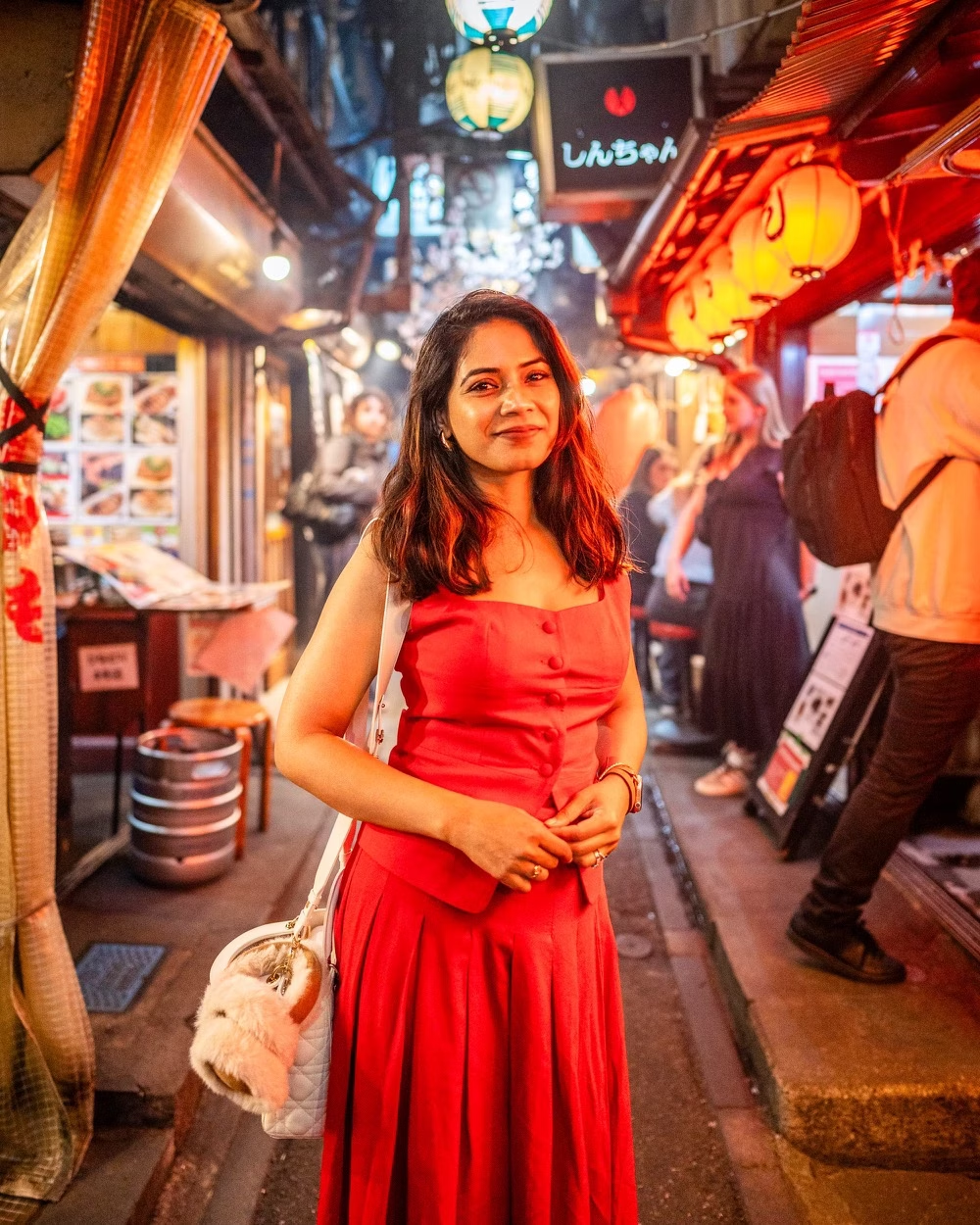
Japan has a reputation for being expensive and difficult, but for many travellers, the reality is more manageable than expected. Public transport is efficient, cities are safe, food quality is consistently high, and there is a strong sense of order, making travel easier. Even if you do not speak Japanese, you can usually navigate stations, restaurants, and hotels without too much trouble.
I have been to Japan twice and plan to travel there again. And till this day, I marvel at how easy the travel is and how safe I have felt. It has been my dream destination, and I have loved and enjoyed this country.
It is also a destination that works for different travel styles. You can do
- a classic city break focused on Tokyo and Kyoto,
- build a fast-paced multi-stop itinerary,
- or slow things down with hot spring towns, countryside stays, and regional food experiences. For first timers, that flexibility is part of the appeal.
The first time I visited Japan, I did a city break in Tokyo and Kyoto. However, my second time was a much more elaborate 18-day trip spanning both cities of Japan, countryside stays with hot spring towns, and regional Japanese food.
I went to see the cherry blossoms twice. The second visit in Japan started in Tokyo, then I made my way to Kyoto, Hiroshima, Miyajima, Himeji, Osaka, Takayama, Shirakawa-go, and Mt Fuji, and finally returned to Tokyo for a bit of shopping before I returned to London.
Japan is especially good for:
- Solo travelers
- Couples
- Families
- Food lovers
- Culture lovers
- Photographers
- First-time international travelers
- Travellers who enjoy clean, efficient cities
The main challenge for first timers is not safety or transport. It is usually deciding where to go and how much to fit into one trip. Japan has so much to offer that many visitors try to do too much. For your first trip, it is better to focus on a few key destinations rather than rushing across the whole country.
In this Japan Vacation Guide, I have made all your options simpler, whether you are going for the first time or the nth time.
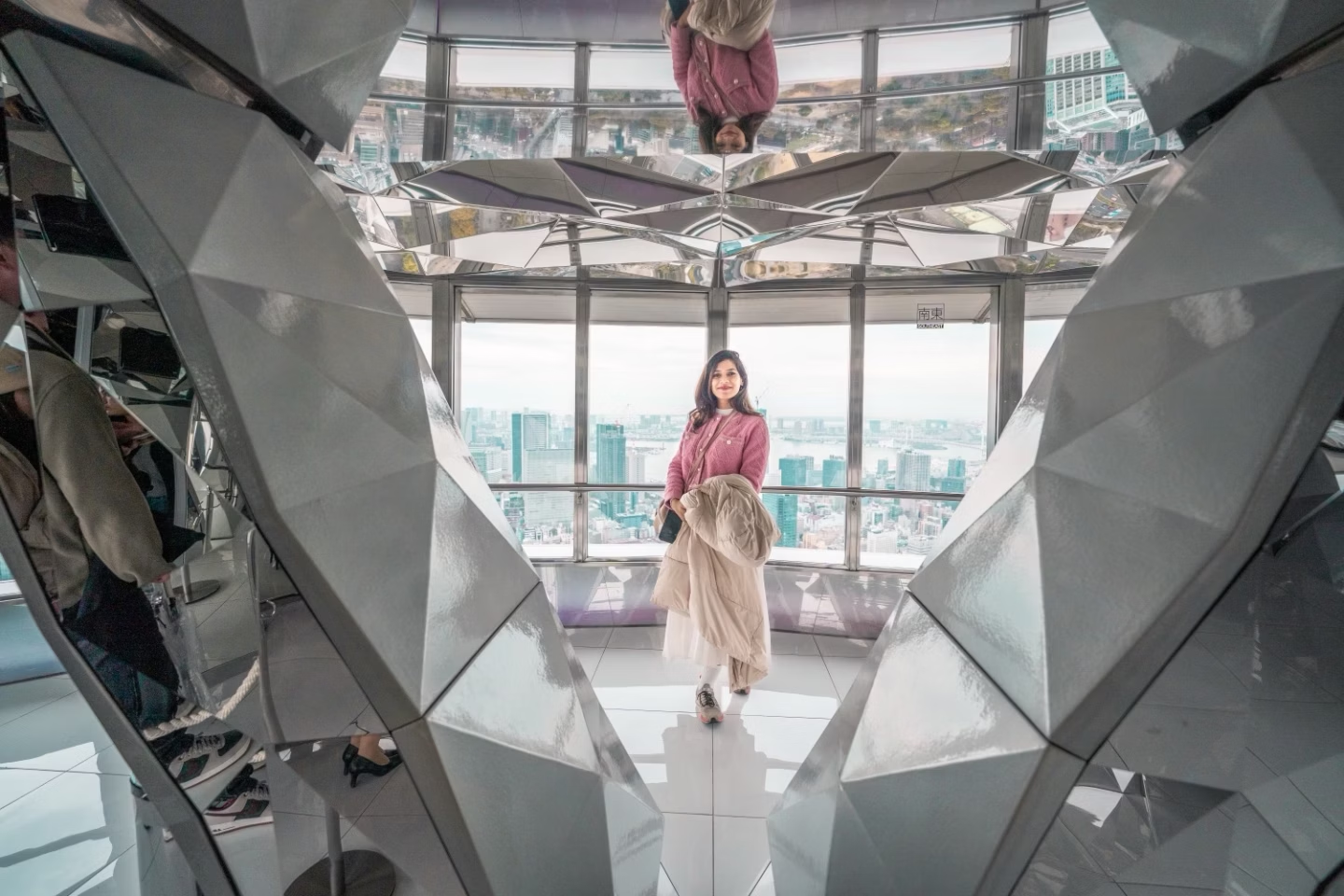
What to know before you visit Japan?
- Season: Which Season festivals do you want to visit Japan in?
- Flight and Hotel booking: if you plan to visit Japan during major tourist seasons like Spring and Autumn, then we definitely recommend booking flights and hotels 6 months in advance, when it is much cheaper.
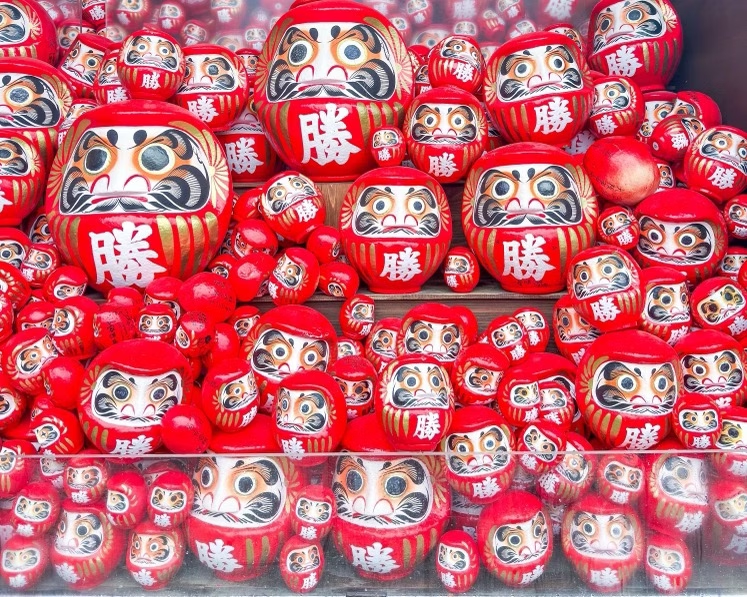


- Visa: UK Nationals dont require a Visa to enter Japan, which makes things a lot easier. No need for a British visa for Japan.
- Immigration: But every tourist needs to fill out a Visit Japan form. This can be done after landing or can be done before your travel online. We did it a day prior to our travel, so we didn’t have to spend time at the airport. They give a QR code after filling the form, which can be scanned, and you scoot away.
- Get an eSIM: If you don’t know Japanese, which was true in my case, you will need 24/7 data for Google Maps, Translate, food, and shopping. So an eSIM will be your trusty friend. Recommend Breeze eSIM, which makes things a lot easier.
- Get Travel Insurance: Always best to be prepared for the unplanned. I recommend Safetywing, which is very trustworthy.
Japan
- Quick Japan Travel Facts for First-Time Visitors
- Why Japan is great for first time visitors
- What to know before you visit Japan?
- Complete Japan Guide
- Best time to visit Japan + Seasons Explained
- How many days do you need in Japan?
- Best places to visit in Japan for first-timers
- Suggested Japan Itinerary for First-Time Visitors
- Where to Stay in Japan
- How to Get Around Japan
- Japan Travel Budget: How Much Does a Trip to Japan Cost?
- What to eat in Japan
- Essential Japan Travel Tips for First Timers
- Japanese Etiquette and Cultural Rules Tourists Should Know
- Useful Japanese Phrases for Travellers
- Safety in Japan
- Practical Japan travel tips for first-timers
- Best Apps to download in Japan
- Common Mistakes to Avoid on Your First Trip to Japan
- Japan Packing List for First-Time Visitors
- FAQs About Japan Travel guide for first timers
- Final thoughts on planning your first trip to Japan
- Plan your trip for Japan
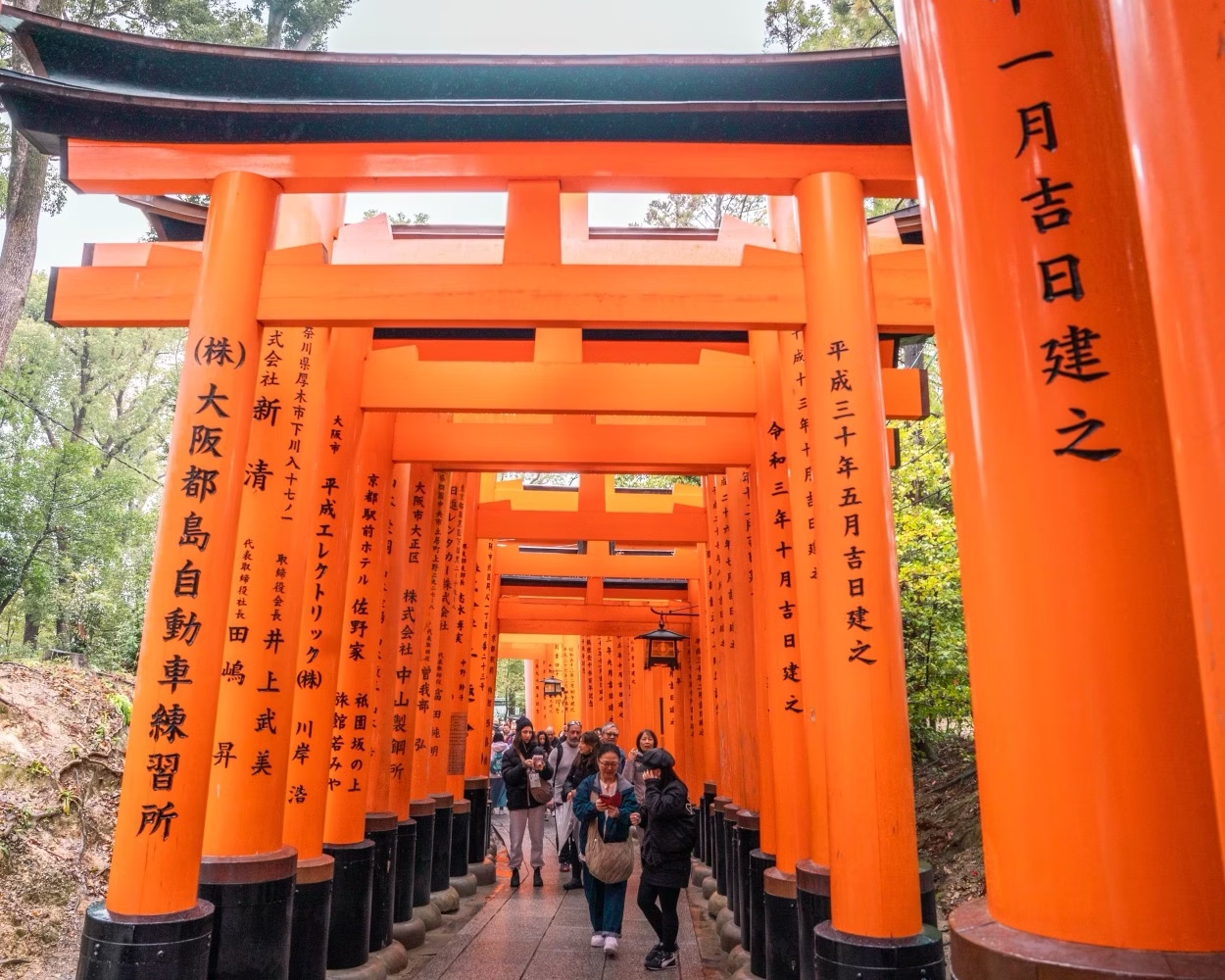


Complete Japan Guide
Japan Vacation Guide listing articles on all the cities in detail –
- with Cherry blossom spots,
- Things to do in each city,
- What specialities to eat in each city,
- What to shop and where to go in each city.
As well as a list of guides for must-visit Onsen towns, what to find in a Ryokan, and Japanese Etiquettes to follow, everything is in one place.
Best time to visit Japan + Seasons Explained
The best time to visit Japan depends on what you want to experience. Spring and autumn are generally the most popular seasons because of the comfortable weather and beautiful scenery.
Spring in Japan: March to May
Spring is one of the most famous times to visit Japan because of the cherry blossom season, or popularly known as Sakura season. From late March to early April, many cities are covered in pink and white sakura blossoms.
Spring is ideal for:
- Cherry blossoms
- Comfortable weather
- Temple visits
- Parks and gardens
- First-time visitors who want iconic Japanese scenery
Popular cherry blossom destinations include Tokyo, Kyoto, Osaka, Nara, Himeji, and Mount Yoshino.
However, spring is also one of the busiest and most expensive times to visit. Hotels can sell out early, especially in Kyoto and Tokyo. If you plan to visit Japan during cherry blossom season, book accommodation several months in advance.
Summer in Japan: June to August
Summer in Japan is hot, humid, and rainy in many regions. June and early July are often part of the rainy season, while July and August can be very hot in cities like Tokyo, Kyoto, and Osaka.
That said, summer can still be a fun time to visit if you are interested in:
- Japanese festivals
- Firework displays
- Mount Fuji climbing season
- Hokkaido flower fields
- Summer street food
- Lively local events
Summer may not be the easiest season for first-time visitors because the heat can make sightseeing tiring. If you visit during this period, plan indoor breaks, drink plenty of water, and avoid overpacking your itinerary.
Autumn in Japan: September to November
Autumn is another excellent season for a first trip to Japan. The weather becomes cooler, the humidity drops, and the fall foliage is beautiful.
Autumn is ideal for:
- Kyoto temples
- Scenic gardens
- Hiking
- Comfortable city sightseeing
- Photography
- First-time visitors who want good weather
October and November are especially popular months. Kyoto, Nikko, Hakone, and the Japanese Alps are beautiful during the autumn foliage season.
Winter in Japan: December to February
Winter is a great time to visit Japan if you want fewer crowds, snowy landscapes, ski resorts, hot springs, or winter illuminations.
Winter is ideal for:
- Skiing in Hokkaido or Nagano
- Seeing snow monkeys in Jigokudani
- Relaxing in an onsen
- Visiting winter illuminations
- Enjoying fewer crowds in major cities
- Seeing Mount Fuji more clearly
Tokyo, Kyoto, and Osaka are usually cold but manageable in winter. Hokkaido, Nagano, and the Japanese Alps are much colder and snowier.
Best Month to Visit Japan for First Time
The best months to visit Japan for first-timers are usually April, May, October, and November.
These months offer pleasant weather, beautiful scenery, and great sightseeing conditions. April is famous for cherry blossoms, while October and November are excellent for autumn colours.
If you want fewer crowds and better prices, consider late May, early June, or early December.
It took me months of research and 2 trips to cover the Cherry Blossom spots in Japan. Here are the Cherry Blossom city guides:
How many days do you need in Japan?
For a first trip to Japan, 10 to 14 days is ideal. This gives you enough time to visit Tokyo, Kyoto, Osaka, and one or two nearby destinations without feeling too rushed.
Here is a simple guide:
| Trip Length | Best For |
|---|---|
| 5 days | Tokyo and Kyoto, or Osaka |
| 7 days | Tokyo and Kyoto or Osaka |
| 10 days | Tokyo, Kyoto, Osaka, Nara, Hakone |
| 14 days | Tokyo, Kyoto, Osaka, Nara, Hiroshima, Miyajima, Hakone or Nikko |
If you only have one week, focus on Tokyo and Kyoto. If you have 10 days, you can add Osaka, Nara, and Hakone. If you have two weeks, you can include Hiroshima, Miyajima, Nikko, or Kanazawa.
The biggest mistake first-time visitors make is trying to visit too many cities. Japan’s trains are efficient, but changing hotels too often can become tiring. A slower itinerary usually creates a better travel experience.
Best places to visit in Japan for first-timers
Japan has many incredible destinations, but first-time visitors should usually focus on the classic route: Tokyo, Kyoto, Osaka, Nara, and either Hakone or the Mount Fuji area. In this Japan Travel guide for first timers, we have included all the highlights for you to pick and choose from.
Tokyo
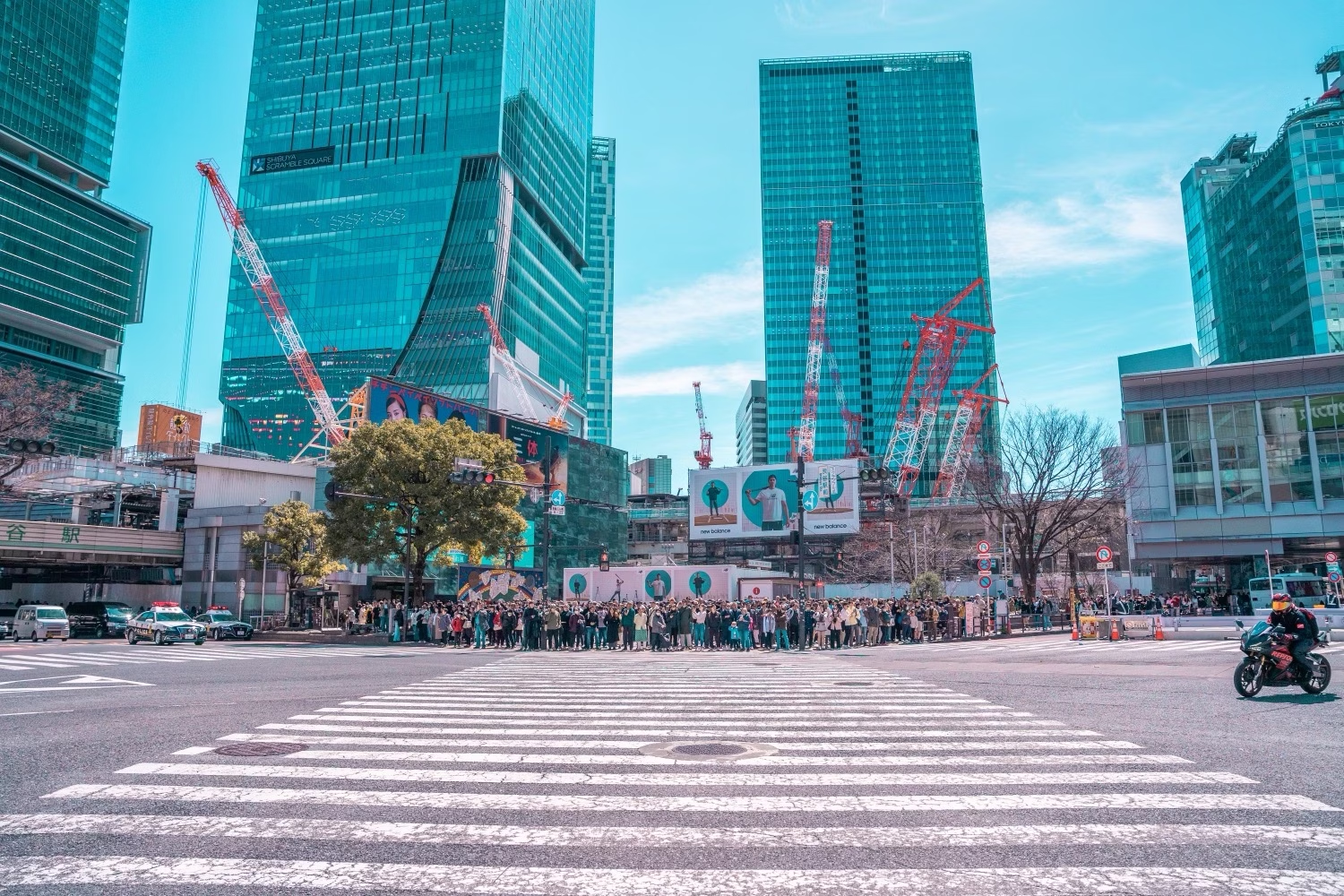
Tokyo is Japan’s capital and one of the most exciting cities in the world. It is huge, energetic, futuristic, and full of variety. One moment you can be walking through a neon-lit street in Shinjuku, and the next you can be visiting a quiet temple in Asakusa.

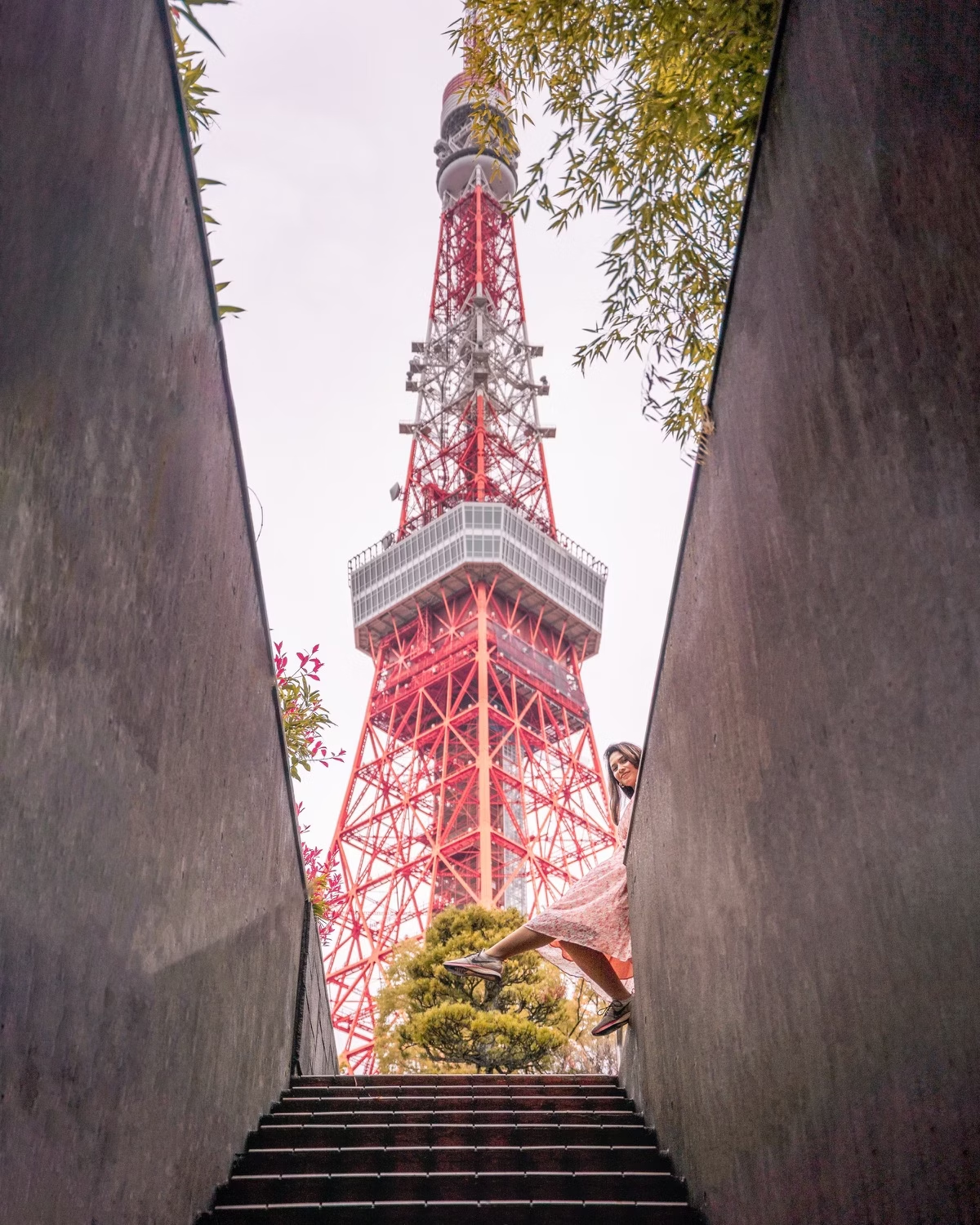
Best things to do in Tokyo include:
- Walk across Shibuya Crossing
- Visit Senso-ji Temple in Asakusa
- Explore Shinjuku at night
- Shop in Ginza
- Visit Meiji Shrine
- Discover Harajuku and Takeshita Street
- Explore Akihabara for anime, gaming, and electronics
- Enjoy skyline views from Tokyo Skytree or Shibuya Sky
- Eat sushi at Toyosu Market or a local sushi bar
- Take a day trip to Nikko, Kamakura, or Mount Fuji
Best areas to explore in Tokyo:
- Shinjuku
- Shibuya
- Asakusa
- Ginza
- Ueno
- Harajuku
- Akihabara
- Roppongi
Tokyo is ideal for food, shopping, nightlife, technology, museums, and modern Japanese culture.
| Sights to book in Advance in Tokyo | Booking Sites |
|---|---|
| Shibuya Sky Obeservatory | Shibuya Sky tickets |
| Skylab Borderless | Skylab Borderless tickets |
| Studio Ghibli Mitake tour | Studio Ghibli Tickets |
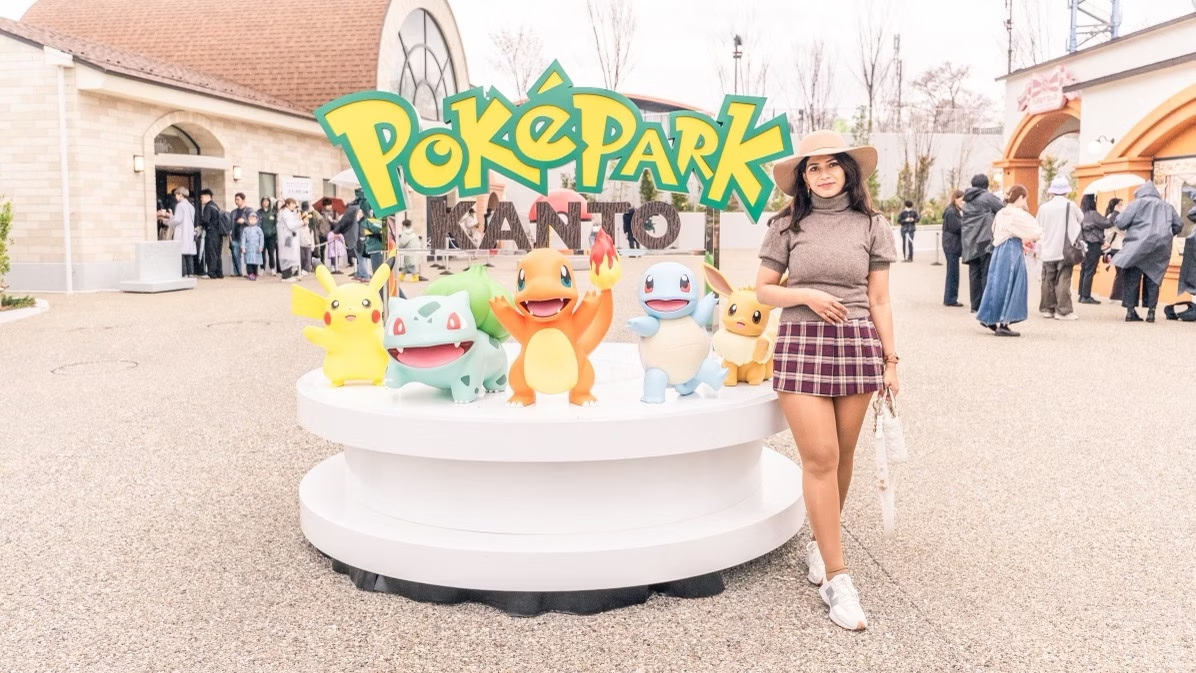
| Poke Park Kanto Tokyo | Poke Park official Website |
| Tokyo Disney Resort | Disney Resort tickets |
| Tokyo Tower | Tokyo Tower tickets |
| Tokyo Skytree | Tokyo Skytree tickets |
Looking for Unique things to do in Japan? Here is a guide on 20 Unique Japanese activities to do in Tokyo Japan.
Kyoto
Kyoto is the cultural heart of Japan and one of the most important destinations for first-time visitors. It is famous for temples, shrines, traditional streets, bamboo forests, gardens, and tea houses.
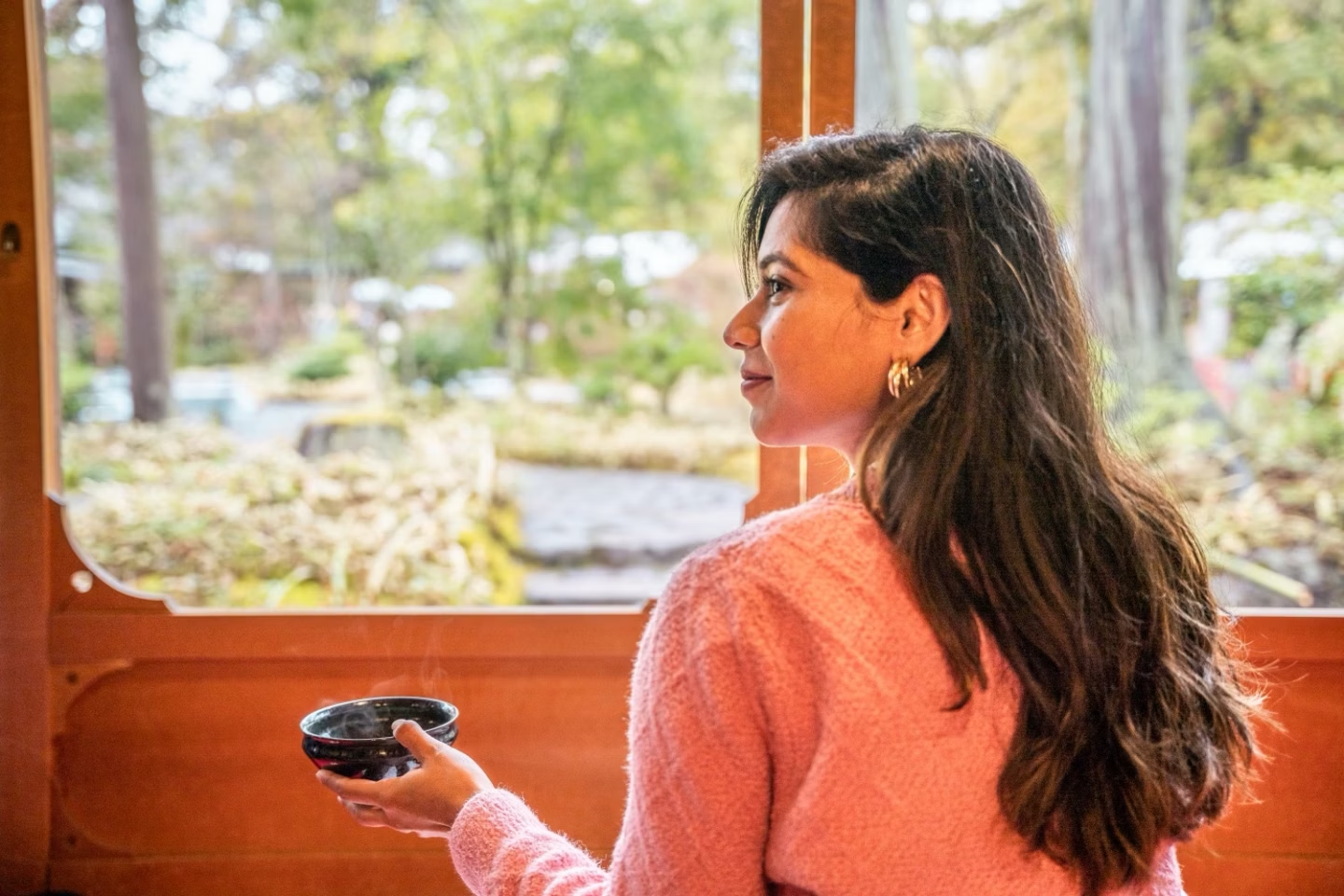
Best things to do in Kyoto include:
- Visit Fushimi Inari Shrine
- Walk through the Arashiyama Bamboo Grove
- See Kinkaku-ji, the Golden Pavilion
- Explore Gion and Higashiyama
- Visit Kiyomizu-dera Temple
- Walk the Philosopher’s Path
- Experience a traditional tea ceremony
- Visit Nishiki Market
- Explore quiet temples early in the morning
Kyoto is best for history, traditional architecture, culture, photography, and peaceful sightseeing.
For the best experience, visit popular sites early in the morning or later in the afternoon to avoid the biggest crowds.
Osaka
Osaka is known for food, nightlife, and a more relaxed atmosphere than Tokyo. It is often called Japan’s kitchen and is one of the best places to eat in the country.
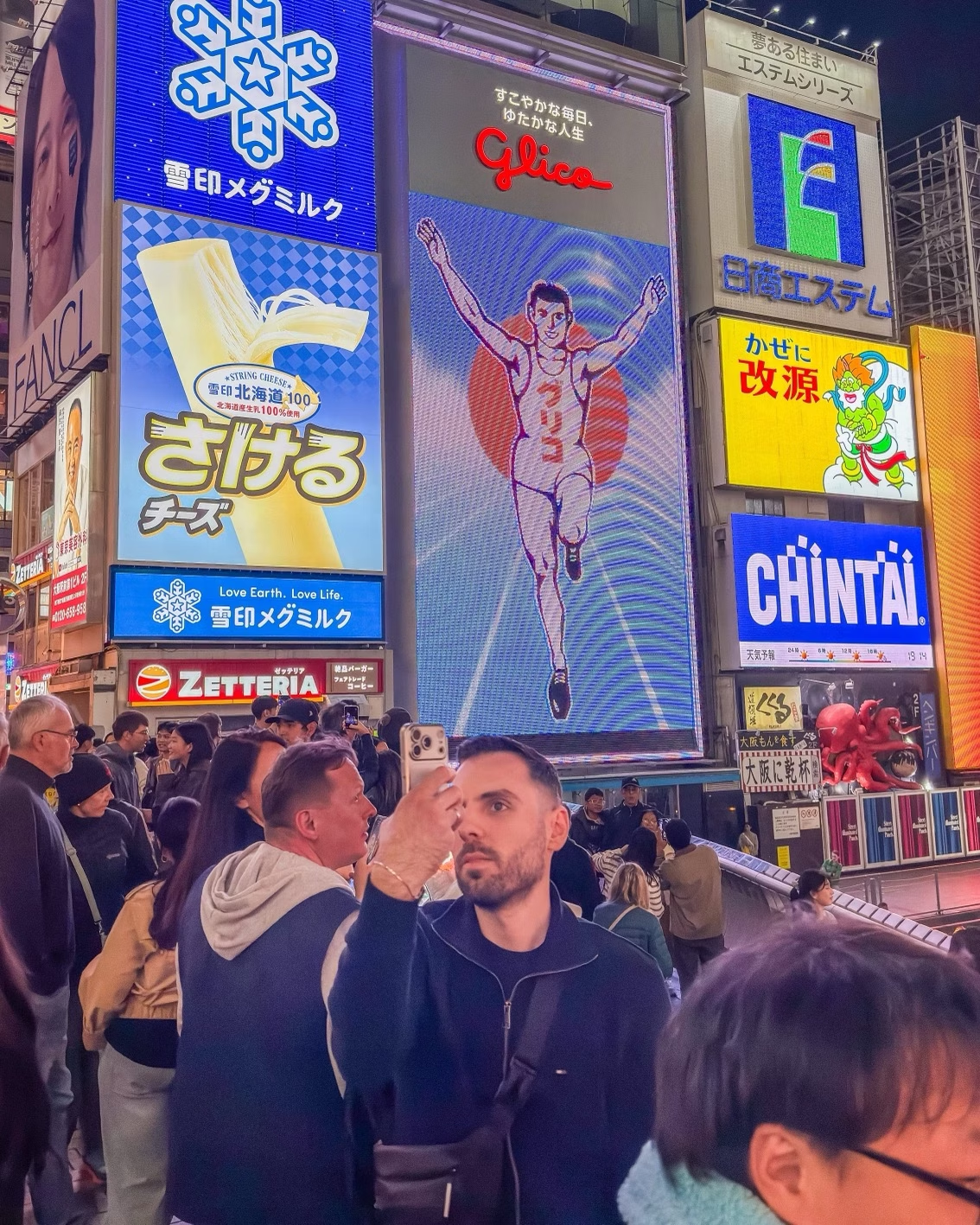
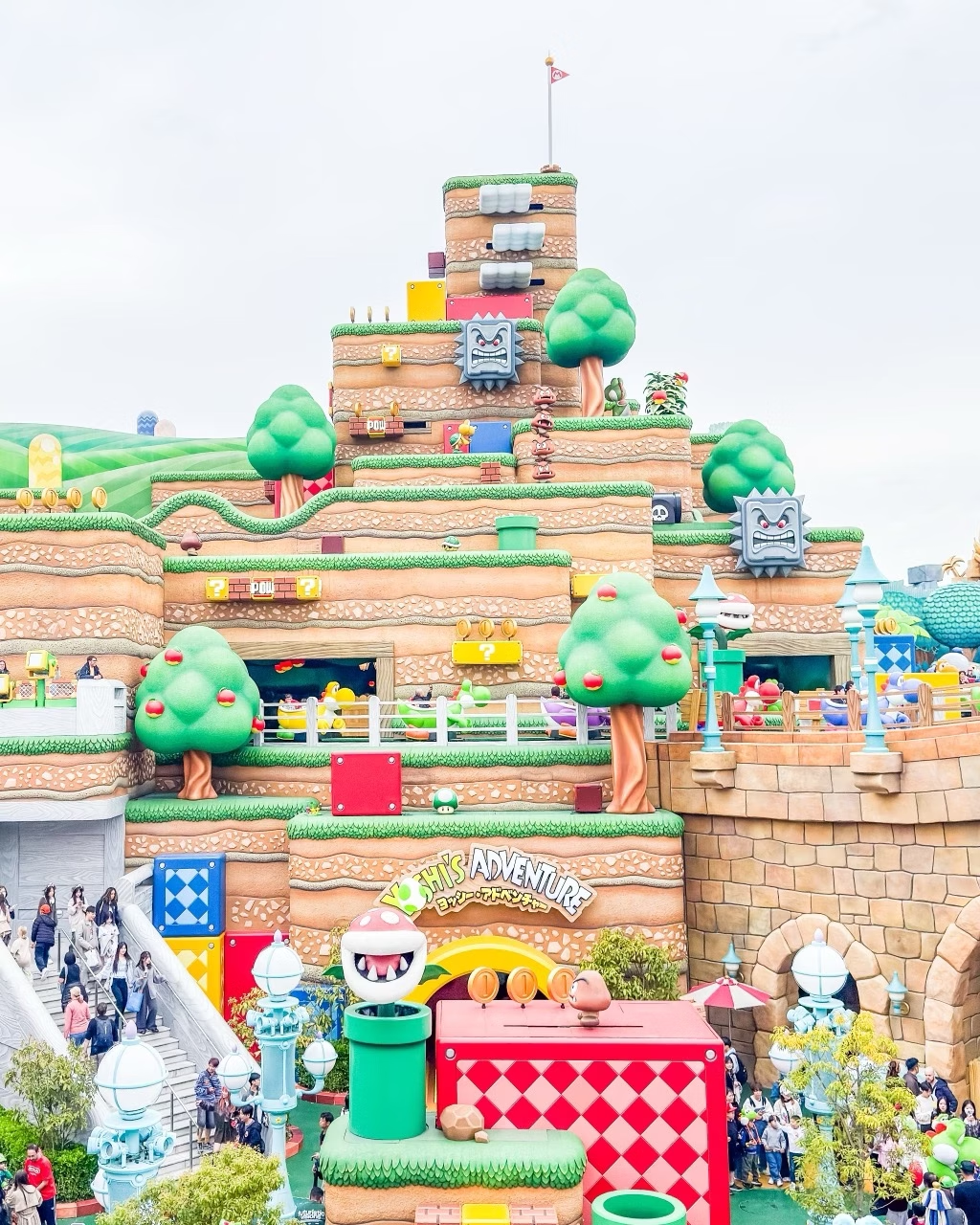
Best things to do in Osaka include:
- Eat street food in Dotonbori
- Visit Osaka Castle
- Explore Shinsekai
- Try takoyaki and okonomiyaki
- Visit Kuromon Ichiba Market
- Spend a day at Universal Studios Japan
- Enjoy nightlife in Namba
- Shop in Umeda and Shinsaibashi
Osaka is also a convenient base for day trips to Kyoto, Nara, Himeji, and Kobe.
| Sights to book in Advance in Osaka | Booking Sites |
|---|---|
| Universal Studio | Universal Studio Tickets |
| Osaka Castle | Osaka Castle tickets |
| Happy Pancake | Happy pancake reservation Website |
Nara
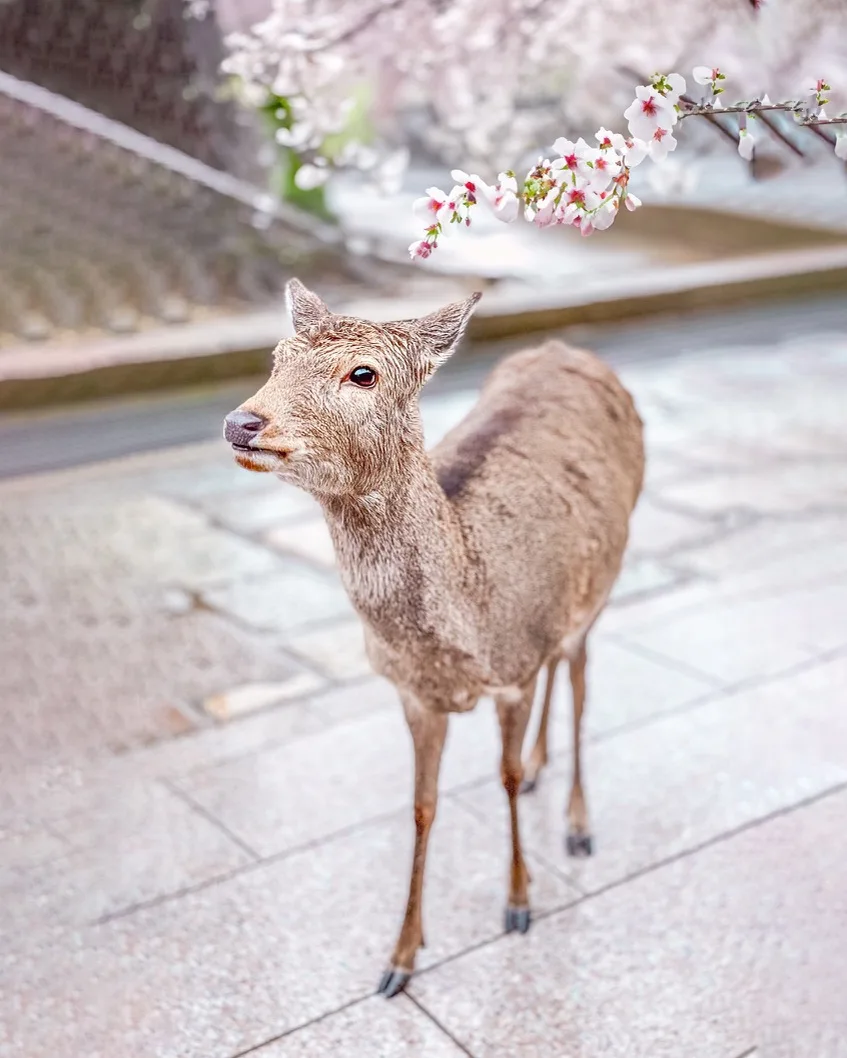
Nara is one of the easiest and most rewarding day trips from Kyoto or Osaka. It was Japan’s first permanent capital and is home to historic temples, peaceful parks, and friendly deer.
Best things to do in Nara include:
- Visit Todai-ji Temple
- See the Great Buddha
- Walk through Nara Park
- Visit Kasuga Taisha Shrine
- Explore Isuien Garden
- Feed the deer with special deer crackers
Nara is perfect for first-time visitors because it is easy to visit in one day and offers a beautiful mix of nature, history, and culture.
Looking for a short trip to Nara from Tokyo or Osaka? You may find my curated list of activities in Japan helpful for finding a specific list of activities in each Japanese city.
Hakone or Mount Fuji Area
Hakone and the Mount Fuji area are great additions to a first Japan itinerary. They offer nature, hot springs, mountain views, and a slower pace between Tokyo and Kyoto.
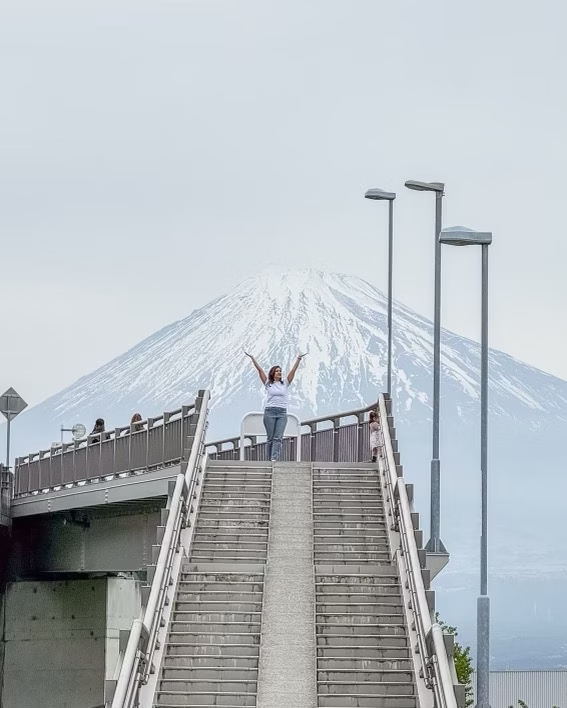
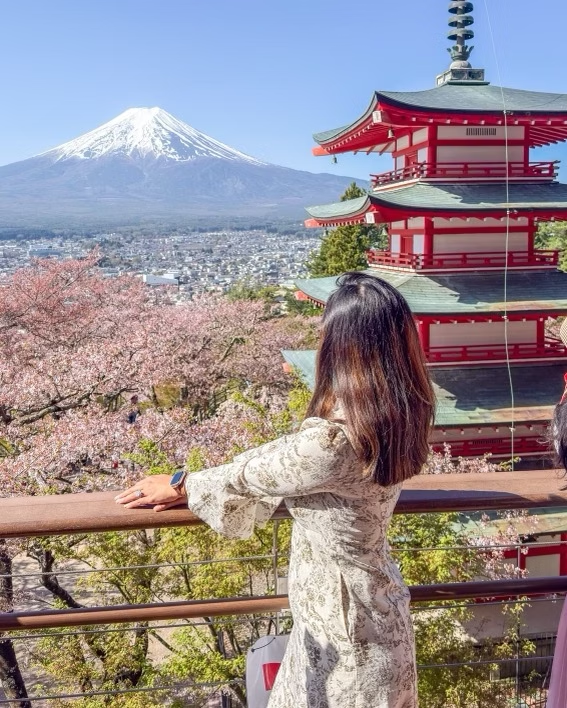
Hakone is known for:
- Ryokan stays
- Onsen hot springs
- Lake Ashi
- Views of Mount Fuji on clear days
- Hakone Open-Air Museum
- Scenic transport routes
The Mount Fuji area, especially around Kawaguchiko, is best if your main goal is to see and photograph Mount Fuji.
Keep in mind that Mount Fuji is not always visible. Clouds often cover it, especially during humid or rainy weather. Your best chance of seeing Mount Fuji clearly is usually in the colder months or early morning.
Hiroshima and Miyajima
If you have 10 to 14 days in Japan, Hiroshima and Miyajima are worth adding to your itinerary.
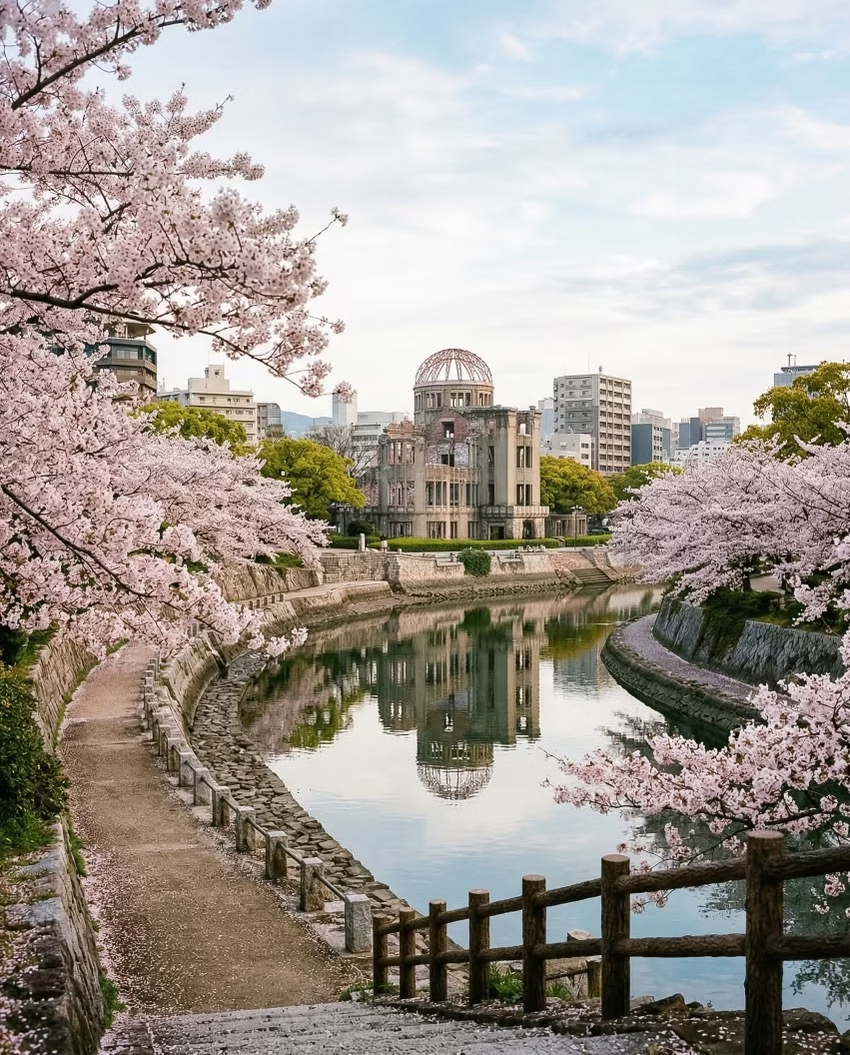
In Hiroshima, visit:
- Peace Memorial Park
- Hiroshima Peace Memorial Museum
- Atomic Bomb Dome
- Hiroshima Castle
- Okonomimura for Hiroshima-style okonomiyaki
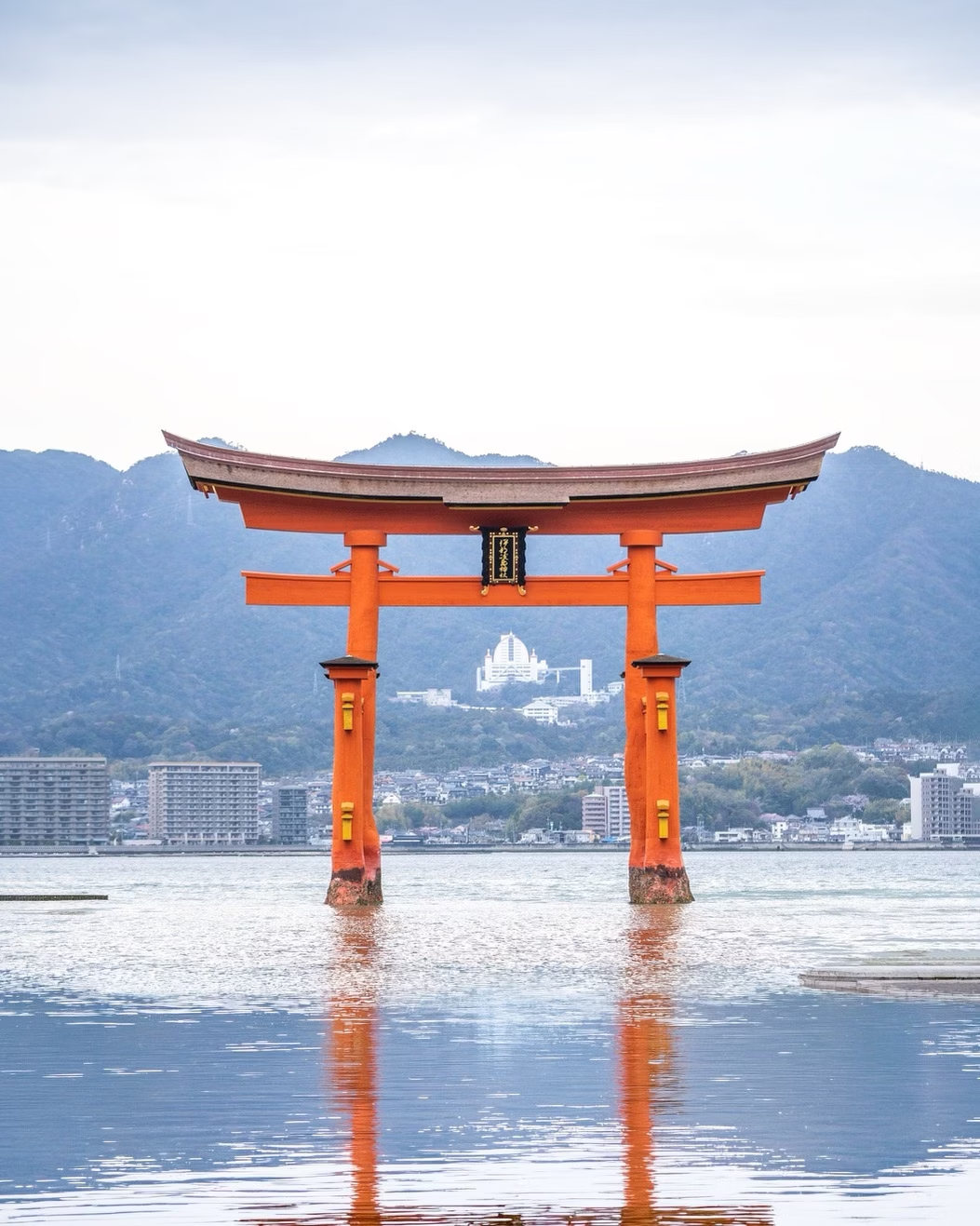
Nearby Miyajima Island is famous for:
- Itsukushima Shrine
- The floating torii gate
- Friendly deer
- Mount Misen
- Traditional shopping streets
Hiroshima and Miyajima add historical depth and natural beauty to a trip to Japan.
Suggested Japan Itinerary for First-Time Visitors
A good first-time Japan itinerary should balance cities, temples, food, nature, and travel time.
7-Day Japan Itinerary
A 7-day Japan itinerary is short but still enough to see Tokyo and Kyoto.
Day 1: Arrive in Tokyo
Arrive in Tokyo, check into your hotel, and explore a nearby neighbourhood. Keep the first day light because of jet lag.
Day 2: Tokyo sightseeing
Visit Asakusa, Senso-ji Temple, Ueno, and Akihabara. In the evening, explore Shinjuku.
Day 3: Shibuya, Harajuku, and Meiji Shrine
Start at Meiji Shrine, walk through Harajuku, visit Omotesando, and spend the evening in Shibuya.
Day 4: Travel to Kyoto
Take the bullet train to Kyoto. Visit Nishiki Market and explore Gion in the evening.
Day 5: Kyoto temples and shrines
Visit Fushimi Inari Shrine early, then explore Kiyomizu-dera, Higashiyama, and Gion.
Day 6: Arashiyama or Nara day trip
Visit Arashiyama Bamboo Grove and Kinkaku-ji, or take a day trip to Nara.
Day 7: Departure
Return to Tokyo or depart from Osaka Kansai Airport if your flight allows.
10-Day Japan Itinerary
A 10-day Japan itinerary is ideal for first-time visitors.
Days 1 to 3: Tokyo
Explore Shinjuku, Shibuya, Asakusa, Ginza, Harajuku, Ueno, and Akihabara.
Day 4: Hakone or Mount Fuji area
Stay in a ryokan, enjoy an onsen, and try to see Mount Fuji.
Days 5 to 7: Kyoto
Visit Fushimi Inari, Arashiyama, Kinkaku-ji, Kiyomizu-dera, Gion, and Nishiki Market.
Day 8: Nara
Take a day trip to Nara to see Todai-ji Temple, Nara Park, and Kasuga Taisha.
Day 9: Osaka
Explore Dotonbori, Osaka Castle, Shinsekai, and Namba.
Day 10: Departure
Fly home from Osaka Kansai Airport or return to Tokyo by bullet train.
14-Day Japan Itinerary
A 14-day Japan itinerary gives you more time to explore without rushing.
Days 1 to 4: Tokyo
Spend four days exploring Tokyo’s major neighbourhoods and attractions.
Day 5: Nikko or Kamakura
Take a day trip to Nikko for temples and nature, or Kamakura for shrines, beaches, and the Great Buddha.
Day 6: Hakone
Stay overnight in a ryokan and enjoy hot springs.
Days 7 to 9: Kyoto
Explore Kyoto’s temples, shrines, gardens, and traditional streets.
Day 10: Nara
Visit Nara as a day trip from Kyoto or Osaka.
Days 11 to 12: Osaka
Enjoy Osaka’s food scene, nightlife, and attractions.
Days 13 to 14: Hiroshima and Miyajima
Visit Hiroshima Peace Memorial Park and spend time on Miyajima Island.
Still not sure how to plan your Japan trip? You can contact me for a fully booked Holiday or download this detailed 7-Day Japan itinerary.
Where to Stay in Japan
Choosing the right area to stay can make your first trip to Japan much easier. Staying near major train or metro stations will save time and reduce stress.
Best Areas to Stay in Tokyo
Shinjuku
Shinjuku is one of the best areas to stay in Tokyo for first-timers. It has excellent transport links, restaurants, shopping, nightlife, and easy access to other parts of the city.
Best for:
- First-time visitors
- Nightlife
- Transport
- Restaurants
- Shopping
Shibuya
Shibuya is energetic, stylish, and great for younger travellers or anyone who wants to be close to shopping, cafes, and nightlife.
Best for:
- Nightlife
- Shopping
- Trendy restaurants
- Easy access to Harajuku and Omotesando
Ginza or Tokyo Station
Ginza and Tokyo Station are convenient for luxury hotels, shopping, and bullet train access.
Best for:
- Luxury travel
- Convenient transport
- Shopping
- Business hotels
Asakusa or Ueno
Asakusa and Ueno are good for budget travellers and visitors who want a more traditional atmosphere.
Best for:
- Budget hotels
- Traditional Tokyo
- Temples
- Museums
- Access to Narita Airport
Best Areas to Stay in Kyoto
Downtown Kyoto
Downtown Kyoto is the best overall area for first-time visitors. It has restaurants, shops, markets, and good transport connections.
Gion and Higashiyama
Gion and Higashiyama are ideal if you want traditional streets, temples, and atmospheric evening walks.
Kyoto Station
Kyoto Station is practical for transport, day trips, and easy access to bullet trains.
Best Areas to Stay in Osaka
Namba
Namba is the best area to stay in Osaka for food, nightlife, and entertainment. It is close to Dotonbori and many restaurants.
Umeda
Umeda is excellent for transport, shopping, and a more polished city feel.
Shin-Osaka
Shin-Osaka is convenient if you need easy access to the bullet train, but it is less atmospheric than Namba or Umeda.
Types of Accommodation in Japan
Japan has accommodation for every budget and travel style.
Common options include:
- Hotels
- Business hotels
- Ryokan inns
- Capsule hotels
- Hostels
- Guesthouses
- Machiya townhouses
- Luxury hotels
For a first trip, try to stay in at least one ryokan if your budget allows. A ryokan is a traditional Japanese inn, often with tatami rooms, futon bedding, Japanese meals, and access to an onsen.
How to Get Around Japan
Japan has one of the best public transport systems in the world. Trains are clean, punctual, safe, and efficient.
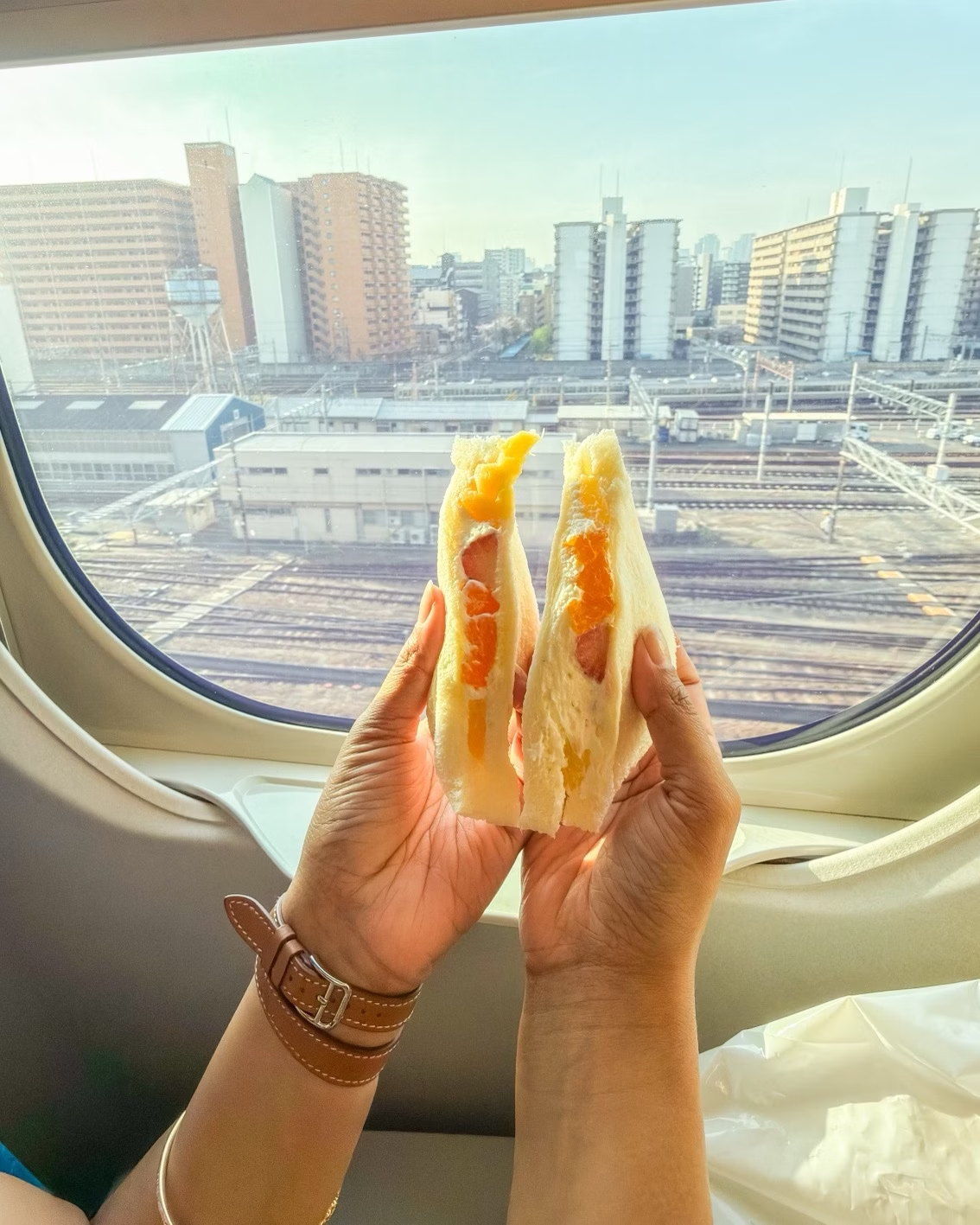
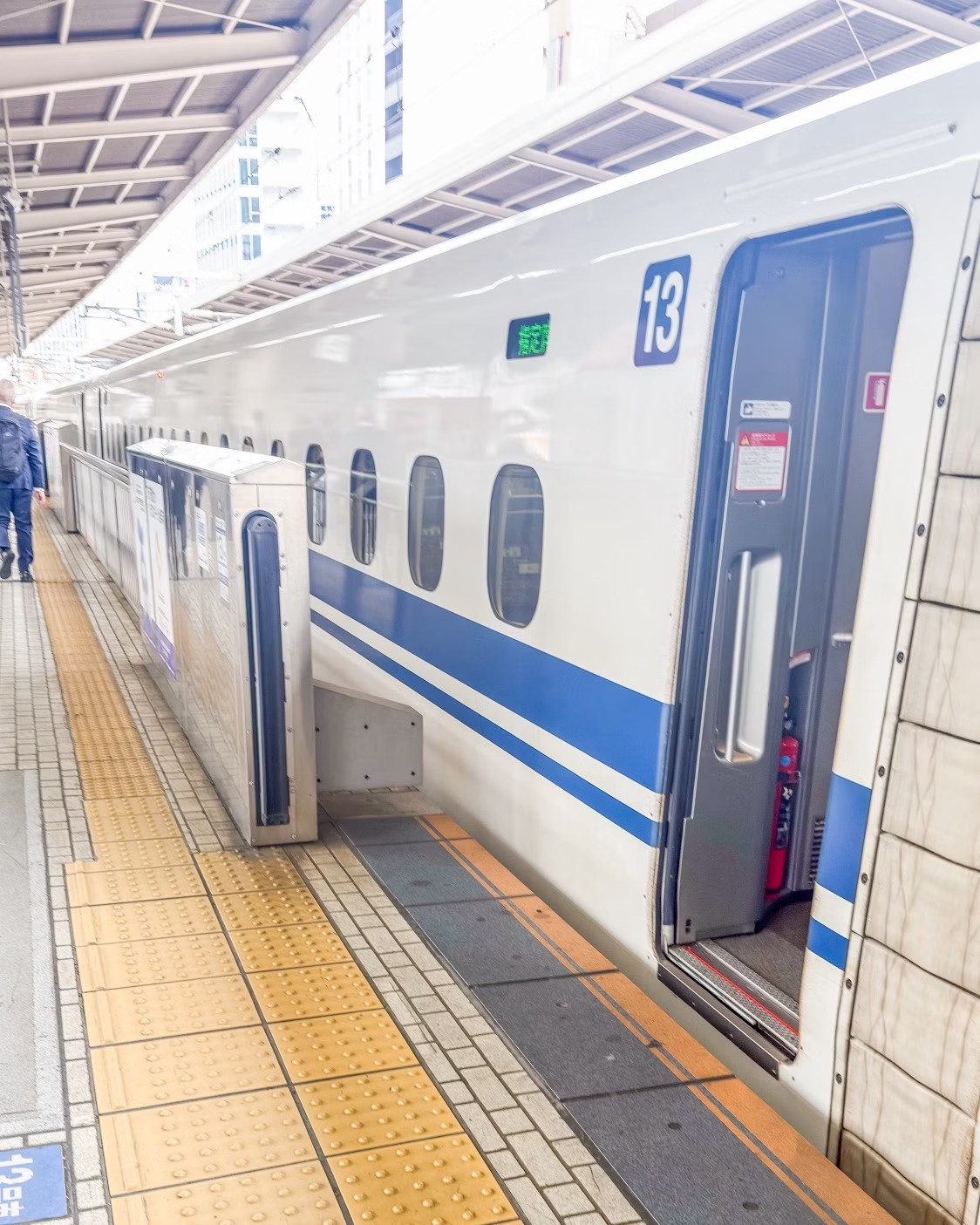
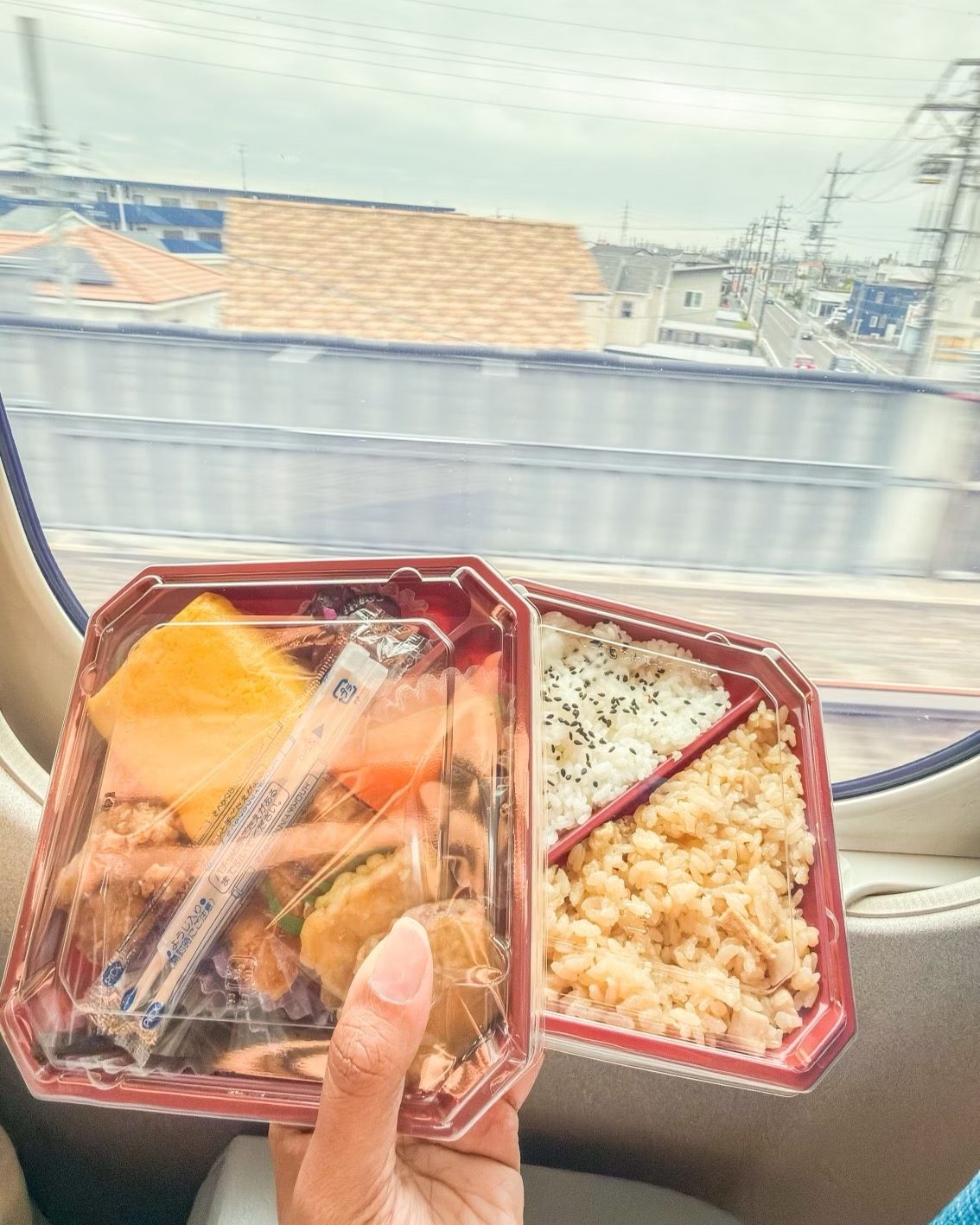
1. Trains and Bullet Trains
The Shinkansen, or bullet train, is the fastest and easiest way to travel between major cities such as Tokyo, Kyoto, Osaka, Hiroshima, and Nagoya.
Benefits of train travel in Japan include:
- Fast travel between cities
- Comfortable seats
- Frequent departures
- Clean stations and trains
- Convenient city-centre connections
For popular routes, especially during cherry blossom season, autumn, Golden Week, Obon, and New Year, it is wise to reserve seats in advance.
Shinkansen Website: Shinkansen Online Reservation
If you don’t understand the Japanese websites, then use this for booking hassle-free Shinkansen tickets.
Do You Need a Japan Rail Pass?
A Japan Rail Pass can be useful, but it is not always worth it.
The JR Pass is usually worth it if you take several long-distance bullet train journeys within a short period. For example, if your itinerary includes Tokyo, Kyoto, Hiroshima, and a return to Tokyo, it may save money.
However, for a simple one-way route such as Tokyo to Kyoto to Osaka, individual tickets may be cheaper.
Before buying a JR Pass, compare the cost of your planned journeys. Many first-time visitors assume the pass is always the best option, but that is no longer true for every itinerary.
Official Website: JR Pass Website
Whole JR Pass: JR Whole Japan Rail Pass
Is the JR Pass still worth it after 2026 price hikes? I have answered the question after travelling for a month to Japan during April-May 2026 in this article. All my research is based on latest information in 2026 and based on the type of Japan itinerary you would like.
2. Metro and Local Transport
In cities like Tokyo, Osaka, and Kyoto, you will use metro lines, local trains, and buses.
A prepaid IC card, such as Suica, Pasmo, or Icoca, makes local transport much easier. You can tap in and out at train stations, use it on buses, and even pay at convenience stores and vending machines.
Useful apps for getting around Japan include:
- Google Maps
- Japan Travel by Navitime
- Japan Transit Planner
- Official airline and airport apps
Avoid travelling during rush hour with large luggage if possible. Trains in Tokyo and Osaka can get very crowded in the morning and evening.
3. Airport Transfers
Japan’s major airports are well connected to city centres.
In our experience, we found booking airport transfers ourselves better than asking the hotel to book. As the driver confused himself and went to Narita airport instead of Haneda, costing use more than we had planned on spending.
Haneda Airport to Tokyo
Haneda is close to central Tokyo and is usually the most convenient airport. You can reach many areas by train, monorail, bus, or taxi. Here is a quick link for the Haneda Airport Transfer that we used.
Narita Airport to Tokyo
Narita is farther from central Tokyo. Common options include the Narita Express, Keisei Skyliner, airport limousine buses, and regular trains. Here is a quick link for the Narita Airport transfer.
Kansai Airport to Osaka or Kyoto
Kansai Airport serves Osaka, Kyoto, and the wider Kansai region. You can reach Osaka by train or airport bus, and Kyoto by limited express train or bus. Here is a link to the Kansai Airport transfer.
Japan Travel Budget: How Much Does a Trip to Japan Cost?
A mid-range trip to Japan usually costs around $120 to $250 per person per day, excluding international flights. Your total cost depends on your accommodation style, food choices, transport routes, and activities.
| Travel Style | Daily Budget Per Person |
|---|---|
| Budget | $70 to $120 |
| Mid-range | $120 to $250 |
| Luxury | $300+ |
1. Accommodation Costs
Accommodation varies widely by city and season.
Approximate nightly costs:
- Hostel bed: $25 to $50
- Budget hotel: $50 to $100
- Mid-range hotel: $100 to $220
- Ryokan: $150 to $400+
- Luxury hotel: $300+
Tokyo and Kyoto are usually more expensive, especially during cherry blossom season and autumn.
2. Food Costs
Food in Japan can be surprisingly affordable.
Approximate food prices:
- Convenience store meal: $4 to $8
- Bowl of ramen: $7 to $15
- Casual restaurant meal: $10 to $20
- Sushi meal: $15 to $50+
- Kaiseki or fine dining: $80+
You can eat very well in Japan without spending a fortune. Convenience stores, train stations, ramen shops, and casual restaurants offer excellent value.
3. Transport Costs
Transport can be one of the biggest expenses if you take multiple bullet trains.
Approximate costs:
- Local metro ride: $1.50 to $3
- Tokyo to Kyoto bullet train: around $90 to $110
- Kyoto to Osaka train: usually under $10
- Airport transfer: varies by airport and transport type
If you plan several long-distance trips, compare individual train tickets with regional passes or the Japan Rail Pass.
4. Activity Costs
Many temples, shrines, gardens, and museums have reasonable entry fees.
Typical costs:
- Temple entry: $3 to $7
- Museum entry: $5 to $15
- Observation deck: $10 to $25
- Theme park ticket: $60 to $100+
- Tea ceremony: $25 to $60
Sample 10-Day Japan Budget
For a mid-range 10-day trip, excluding international flights, expect to spend around:
- Budget traveller: $700 to $1,200
- Mid-range traveller: $1,200 to $2,500
- Luxury traveler: $3,000+
These estimates depend heavily on accommodation and train travel.
What to eat in Japan
One of the best parts of any first trip to Japan is the food. You do not need to spend heavily to eat well. In fact, some of the most satisfying meals are casual, quick, and surprisingly affordable.
However, in case you are looking for something special, here are 17 Best Restaurants in Tokyo that are on every Must-visit Japan food spot list.

- Ramen: Regional styles vary, so try more than one.
- Sushi: From conveyor belt spots to high-end counters, the quality is often excellent.
- Tempura: Light, crisp, and worth trying in a specialist restaurant.
- Okonomiyaki: A savoury pancake-style dish popular in Osaka and Hiroshima.
- Katsu curry: Comfort food that is easy to find and usually very satisfying.
- Izakaya dishes: Great for sampling lots of small plates in one meal.
- Convenience store food: Surprisingly good for snacks, breakfast, and quick lunches.
If you eat fish, seafood, and meat, Japan is especially easy. Vegetarian and vegan travellers can still eat well, but it helps to research in advance because ingredients like fish stock can appear in dishes that seem meat-free at first glance.
Other Must-Try foods in Japan include:
- Udon
- Soba
- Takoyaki
- Yakitori
- Tonkatsu
- Kaiseki
- Onigiri
- Bento boxes
- Japanese curry
- Gyoza
- Matcha desserts
- Mochi
- Convenience store egg sandwiches

Food Tips for First-Time Visitors
Japan’s food culture is easy to enjoy, but a few tips will help.
First, do not underestimate convenience stores. 7-Eleven, Lawson, and FamilyMart sell surprisingly good food, including rice balls, sandwiches, noodles, fried chicken, desserts, and coffee.
Second, many Japanese restaurants specialise in one dish. A ramen shop may only serve ramen, while a tempura restaurant may focus almost entirely on tempura. This is part of what makes the food so good.
Third, some restaurants use vending machines for ordering. You choose your meal, pay at the machine, receive a ticket, and give it to the staff.
Fourth, reservations are important for popular restaurants, especially in Tokyo and Kyoto. If there is a specific restaurant you want to visit, book ahead.
Finally, carry some cash. While cards are more widely accepted than before, smaller restaurants may still prefer cash.
Essential Japan Travel Tips for First Timers
These Japan travel tips will make your first visit smoother and more enjoyable.
- Carry some cash – Japan is increasingly card-friendly, but cash is still useful for small restaurants, temples, buses, markets, and rural areas.
- Get an IC transport card – A Suica, Pasmo, or Icoca card makes trains, buses, vending machines, and convenience store payments easier.
- Use Google Maps for transport – Google Maps works well in Japan and can show train platforms, times, transfers, and walking routes.
- Book popular attractions early – Book theme parks, special museums, popular restaurants, and seasonal experiences in advance.
- Learn basic Japanese phrases – A few polite phrases like “thank you” and “excuse me” go a long way.
- Avoid talking loudly on Trains – Japanese trains are generally quiet. Keep conversations low and avoid phone calls.
- Stand on the correct side of escalators – In Tokyo, people usually stand on the left. In Osaka, people often stand on the right.
- Do not tip – Tipping is not customary in Japan and can sometimes cause confusion.
- Carry a small rubbish bag – Public bins can be hard to find. Keep your rubbish with you until you find a bin.
- Wear comfortable shoes – You will walk a lot in Japan, especially in Tokyo and Kyoto.
- Wear shoes that are easy to remove – You may need to remove your shoes at temples, ryokan, traditional restaurants, and some attractions.
- Use luggage forwarding – Japan has excellent luggage delivery services. You can send bags from one hotel to another, making train travel easier.
- Check opening hours – Restaurants, museums, and attractions may close on certain weekdays. Always check before visiting.
- Respect temple and shrine etiquette – Be quiet, follow signs, and avoid taking photos where prohibited.
- Buy travel insurance – Travel insurance is important for medical issues, delays, cancellations, and lost luggage. Be polite, so effort matters more than perfection.
Japanese Etiquette and Cultural Rules Tourists Should Know
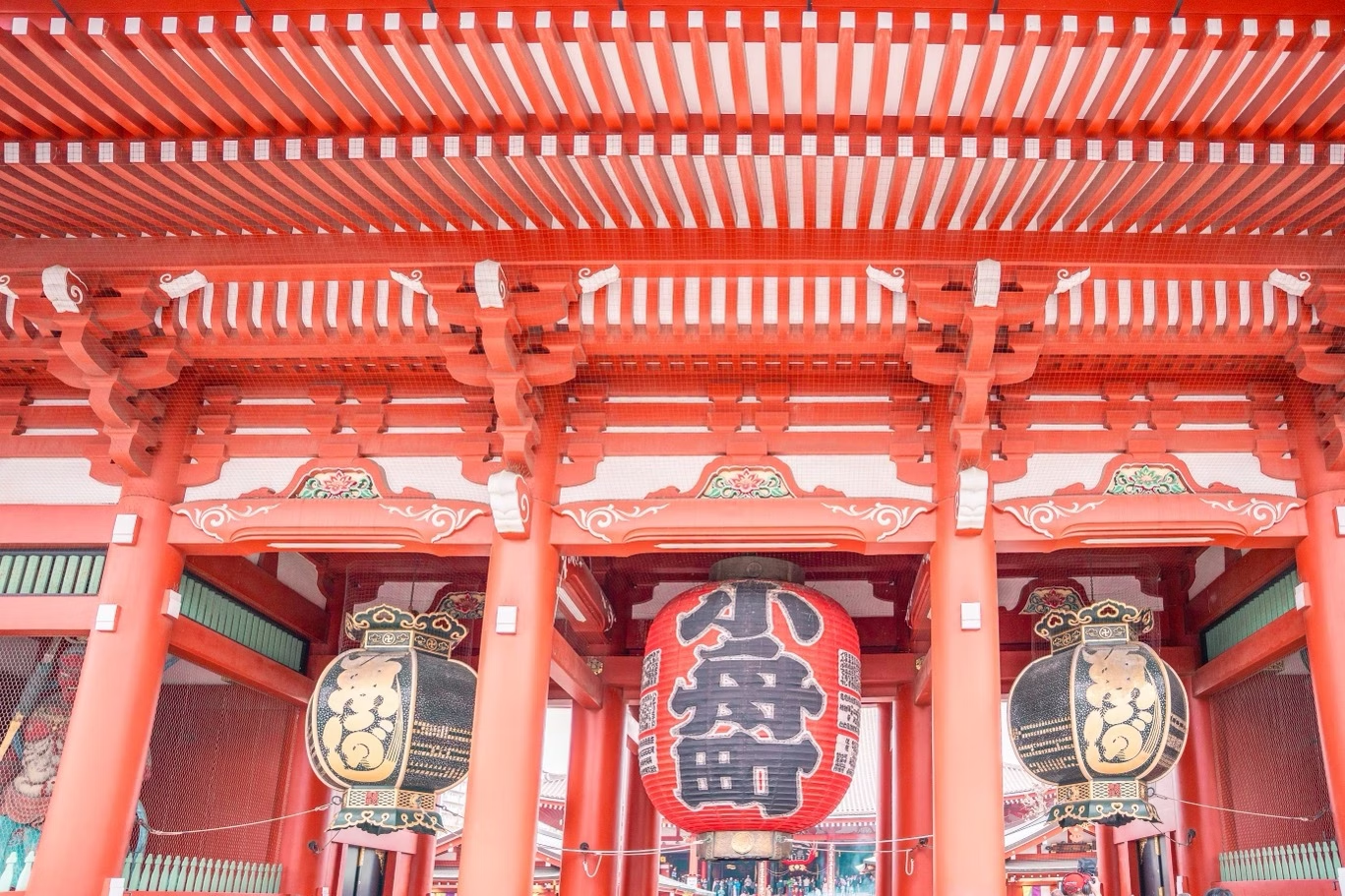
Japan has many cultural customs, but visitors are not expected to know everything. A respectful attitude is usually enough. Still, understanding basic etiquette will help you avoid common mistakes.
1. Bowing – Bowing is a common greeting and sign of respect. As a tourist, a small polite bow is usually enough.
2. Removing Shoes – You may need to remove shoes in homes, ryokan, temples, traditional restaurants, and some fitting rooms. If you see raised flooring or shoe lockers, take your shoes off.
3. Train Manners – Keep your voice low on trains and avoid phone calls. Priority seats should be given to elderly passengers, pregnant women, people with disabilities, and those with small children.
4. Temple and Shrine Etiquette – At shrines, you may see purification fountains near the entrance. Visitors often rinse their hands before entering. At temples and shrines, be respectful, do not touch sacred objects, and follow photography rules.
5. Onsen Etiquette – If you visit an onsen, wash thoroughly before entering the bath. Do not wear swimwear unless specifically allowed. Keep towels out of the water. Some onsens may have restrictions on visible tattoos, though this is gradually changing.
6. Chopstick Rules – Do not stick chopsticks upright into rice, pass food chopstick-to-chopstick, or point with chopsticks. These actions are considered impolite or associated with funeral customs.
7. No Tipping – Tipping is not part of Japanese culture. Good service is expected and included in the price.
8. Quiet Public Spaces – Japan values quietness in public spaces. Be mindful of noise in trains, buses, hotels, and residential areas.
9. Queue Properly – People queue in an orderly way for trains, buses, restaurants, and attractions. Follow floor markings at train stations.
For more detailed Japanese etiquette, you can refer to the guidelines listing all the Do’s and Don’ts in Japan.
Useful Japanese Phrases for Travellers
You do not need to speak Japanese to visit Japan, especially in major cities, but learning a few phrases is helpful and appreciated.
| English | Japanese |
|---|---|
| Hello | Konnichiwa |
| Thank you | Arigatou gozaimasu |
| Excuse me / Sorry | Sumimasen |
| Yes | Hai |
| No | Iie |
| Please | Onegaishimasu |
| Where is the station? | Eki wa doko desu ka? |
| How much is this? | Kore wa ikura desu ka? |
| I don’t understand | Wakarimasen |
| Do you speak English? | Eigo o hanasemasu ka? |
| Thank you very much | Doumo arigatou gozaimasu |
Even if your pronunciation is not perfect, making an effort is usually appreciated.
Safety in Japan
Japan is one of the safest countries in the world for travellers. Crime rates are low, public transport is safe, and solo travel is common.
Japan is generally safe for:
- Solo travelers
- Solo female travelers
- Families
- Older travelers
- First-time international travelers
However, you should still use normal precautions. Keep an eye on valuables, avoid risky situations late at night, and be careful in nightlife areas.
Japan also experiences natural disasters such as earthquakes, typhoons, heavy rain, and volcanic activity. It is a good idea to check weather updates and follow local advice.
Make sure you have SafetyWing Travel Insurance. They are quite quick in handling claims without any fuss, and their customer service is genuinely the best I have experienced. Check out the Plan and Pricing for Safetywing.
Important emergency numbers:
- Police: 110
- Fire and ambulance: 119
If you are visiting during typhoon season, especially from late summer to early autumn, monitor weather forecasts and allow flexibility in your itinerary.
Practical Japan travel tips for first-timers
- Buy an eSIM or pocket Wi-Fi so you always have data for maps and train routes.
- Pack light if possible, especially if you are moving between cities often.
- Use luggage forwarding if you want to travel between stops without dragging large suitcases through stations.
- Book popular attractions in advance when possible.
- Start busy sightseeing days early, especially in Kyoto.
- Learn a few simple Japanese phrases like hello, thank you, and excuse me.
- Cash is king: Carry Japanese yen everywhere. Some shops have a discounted price if you pay by cash and a markup price if you pay by card.
- Keep a small coin purse because you will receive plenty of change.
- ATMs are everywhere and quite reliable. They are available in all convenience stores(locally known as konbini) like 7-Eleven, FamilyMart and Lawson and are highly reliable, tourist-friendly and open late.
Best Apps to download in Japan
- Google Maps: Works in Japan and was my most-used app. From finding the best route, transport to cafes, restaurants and pubs. It is a heavy hitter. Something to note: a 3-star rated restaurant in Japan means it is a very good place to eat, as most of the Japanese use Tabelog.
- Tabelog: This is a Japanese app that tells you what cuisine you can choose and what restaurants are nearby, opening hours, menu and then the map to get there. So a Japanese version of Google Maps, but only for food.
- Go: Uber doesn’t work in Japan, but there is “Go”, which does the same for hailing cabs from wherever you are. For budget travellers, I would recommend taking public transport as it is the best way to get anywhere.
- fujisan.info: Not an app but a website to check the visibility of Mt. Fuji before heading out. Mt Fuji is visible only 80/365 days in a year. So this app helps to plan without being disappointed. The best season to go to see Mt Fuji is in winter, when the sky is clearer in Japan.
- Tax-free Shopping site: Another site, not an app, that lists numerous coupons with discount codes for shopping in Japan.
- SUICA: A Japanese e-card added to Apple Wallet, where you can directly put money and use it to tap and go in Japanese metros/tubes as well as pay in convenience stores or any Japanese stores really. So much better option than our Oyster cards.
Common Mistakes to Avoid on Your First Trip to Japan
A first trip to Japan is easier when you avoid these common mistakes.
1. Trying to Visit Too Many Cities
Japan has so many amazing destinations that it is tempting to see everything. But moving hotels every night can be exhausting. Choose fewer places and enjoy them properly.
2. Assuming the JR Pass Is Always Worth It
The Japan Rail Pass is not automatically the best option. Compare ticket prices before buying.
3. Forgetting to Carry Cash
Cards are widely accepted in many places, but cash is still useful for smaller restaurants, markets, temples, and local transport.
4. Overpacking
Hotel rooms in Japan can be small, and train stations often involve stairs and walking. Pack light if possible.
5. Not Booking Accommodation Early
During cherry blossom season, autumn foliage season, Golden Week, and New Year, hotels can book up quickly.
6. Visiting Kyoto’s Famous Sites at Peak Times
Popular places like Fushimi Inari, Kiyomizu-dera, and Arashiyama can get very crowded. Visit early in the morning for a better experience.
7. Not Checking Restaurant Opening Hours
Some restaurants close between lunch and dinner, while others close on specific weekdays.
8. Underestimating Walking Distances
You will likely walk much more than expected. Comfortable shoes are essential.
9. Ignoring Local Etiquette
Small things like speaking quietly on trains, queuing properly, and removing shoes when required make a big difference.
Japan Packing List for First-Time Visitors
Packing well can make your Japan trip more comfortable. Here is our Free Download and Print Packing Checklist ready to use.
Essential items to pack include:
- Comfortable walking shoes
- Portable phone charger
- Travel adapter
- Passport
- Visa documents, if required
- Travel insurance details
- eSIM or pocket Wi-Fi
- Small towel
- Coin purse
- Hand sanitizer
- Reusable water bottle
- Seasonal clothing
- Medication and prescriptions
- Lightweight day bag
- Copies of important documents
Seasonal Packing Tips
For spring, pack layers, a light jacket, and comfortable clothes for changing weather.
For summer, pack breathable clothing, sunscreen, a hat, and clothes suitable for humidity.
For autumn, pack light layers and a jacket for cooler evenings.
For winter, pack a warm coat, scarf, gloves, and thermal layers if visiting colder regions.
FAQs About Japan Travel guide for first timers
What is the best month to visit Japan?
April, May, October, and November are some of the best months to visit Japan. The weather is comfortable, and the scenery is beautiful. April is popular for cherry blossoms, while October and November are ideal for autumn foliage.
How much money do I need for 10 days in Japan?
A mid-range 10-day trip to Japan usually costs around $1,200 to $2,500 per person, excluding international flights. Budget travellers may spend less, while luxury travellers can spend much more.
Is Japan expensive to visit?
Japan can be expensive, but it does not have to be. Budget hotels, convenience store meals, local restaurants, free attractions, and careful transport planning can make Japan affordable for many travellers.
Do I need to speak Japanese to visit Japan?
No, you do not need to speak Japanese to visit Japan. Major cities have English signs, and translation apps are very useful. However, learning basic Japanese phrases will make your trip easier and more respectful.
Is the Japan Rail Pass worth it?
The Japan Rail Pass is worth it if you take several long-distance bullet train journeys in a short period. For a simple Tokyo, Kyoto, and Osaka itinerary, individual tickets may be cheaper.
Is Japan safe for solo travellers?
Yes, Japan is very safe for solo travellers, including solo female travellers. Public transport is reliable, streets are generally safe, and crime rates are low. Still, normal travel precautions are recommended.
What should I book in advance for Japan?
You should book accommodation, popular restaurants, theme parks, special museums, and bullet train seats during busy periods and seasonal experiences in advance.
How many days are enough for a first trip to Japan?
Ten to fourteen days is ideal for a first trip to Japan. This allows enough time to visit Tokyo, Kyoto, Osaka, Nara, and possibly Hakone or Hiroshima.
What is the best route for first-time visitors to Japan?
The best route for first-time visitors is usually Tokyo, Hakone or Mount Fuji, Kyoto, Nara, and Osaka. This route gives you a great mix of modern cities, traditional culture, food, nature, and history.
Can I use credit cards in Japan?
Yes, credit cards are widely accepted in hotels, department stores, major restaurants, and many shops. However, cash is still useful for smaller restaurants, temples, markets, and rural areas.
Final thoughts on planning your first trip to Japan
The best Japan travel guide for first timers is not one that tells you to see absolutely everything. It helps you feel confident enough to enjoy the experience.
Japan can be wonderfully efficient, but the most memorable parts are often the quieter ones: a perfect bowl of ramen after a long day, a peaceful side street behind a busy temple, a train ride that runs exactly on time, or a convenience store snack that is far better than it has any right to be.
For your first trip, focus on a simple route such as Tokyo, Kyoto, Osaka, Nara, and Hakone. This gives you a balanced introduction to Japan’s modern cities, traditional temples, local food, scenic landscapes, and unique culture.
The key to planning a successful first trip to Japan is to avoid overloading your itinerary. Choose your main destinations, book important accommodation and transport in advance, learn a few etiquette basics, and leave time to enjoy the small moments: a quiet temple garden, a perfect bowl of ramen, a convenience store snack, or a peaceful train ride through the countryside.
If you are visiting Japan for the first time, a 10-day itinerary is one of the best options. It gives you enough time to experience Tokyo, Kyoto, Osaka, Nara, and Hakone without rushing too much.
With good planning, your first trip to Japan can be smooth, exciting, and truly unforgettable.
If you still feel overwhelmed and want it to be taken care of, contact me for a fully booked holiday.
Resources on Japan


Pin it

Plan your trip for Japan
Browse travel guides & downloads · Get free checklists by email


Leave a Reply