
Japan is one of the easiest countries in the world to eat well in, but the best meals are not only found in famous Tokyo sushi counters or Kyoto kaiseki restaurants. Many of the dishes travellers remember most are tied to a specific city, market, alleyway, or station area:
- ramen styles that change by region,
- grilled seafood eaten standing up,
- local sweets sold on shopping streets,
- and street snacks that taste best fresh off the griddle.

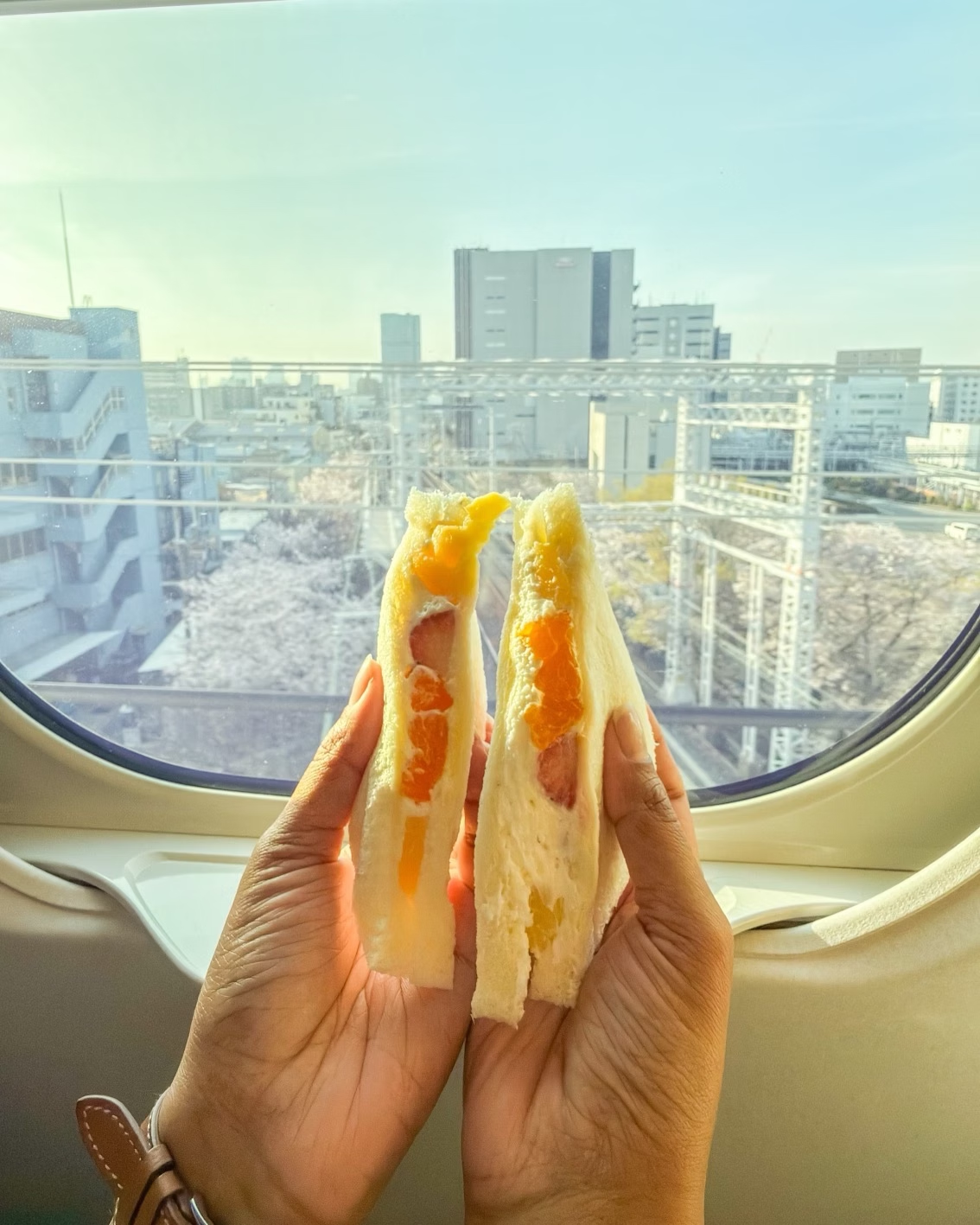
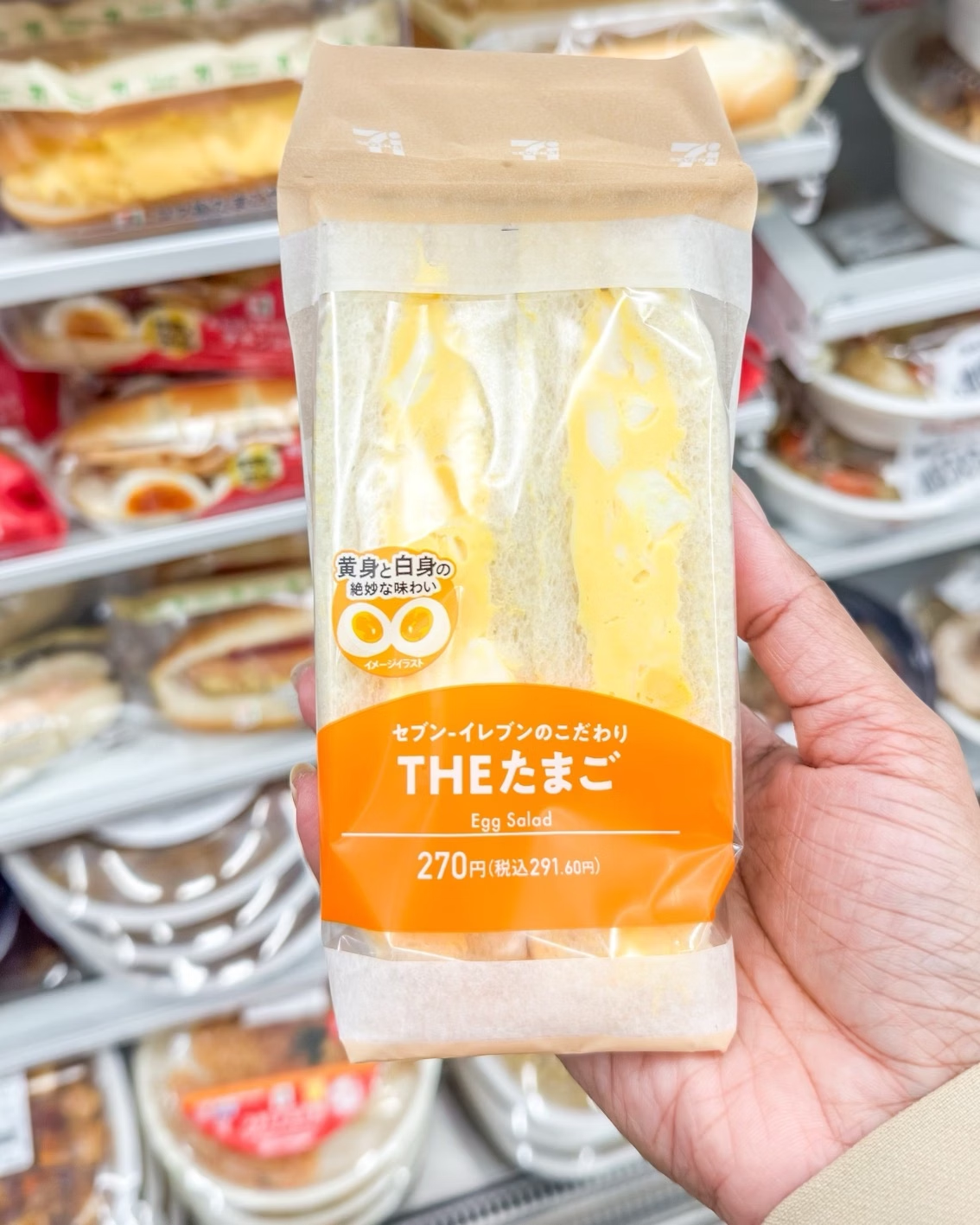
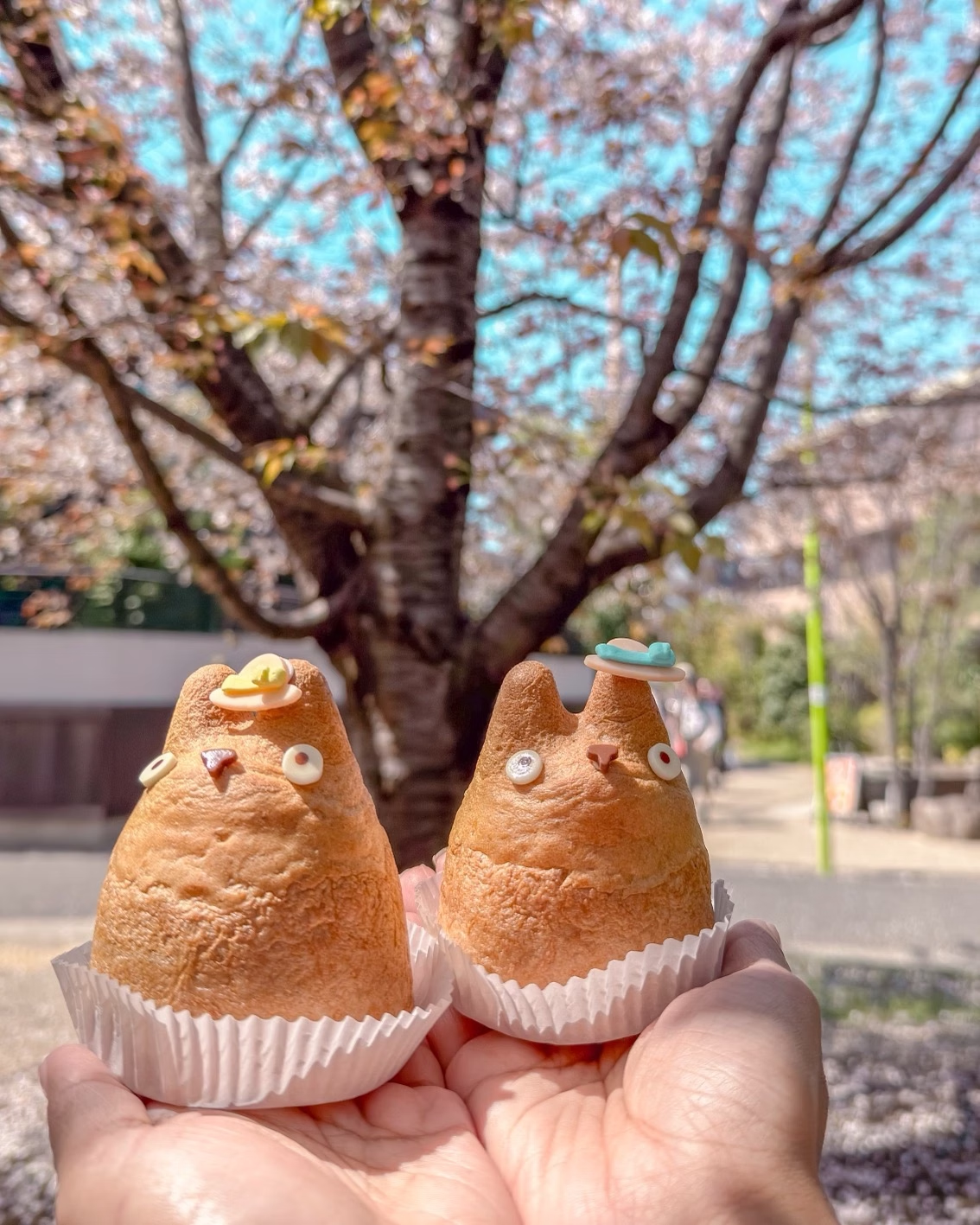
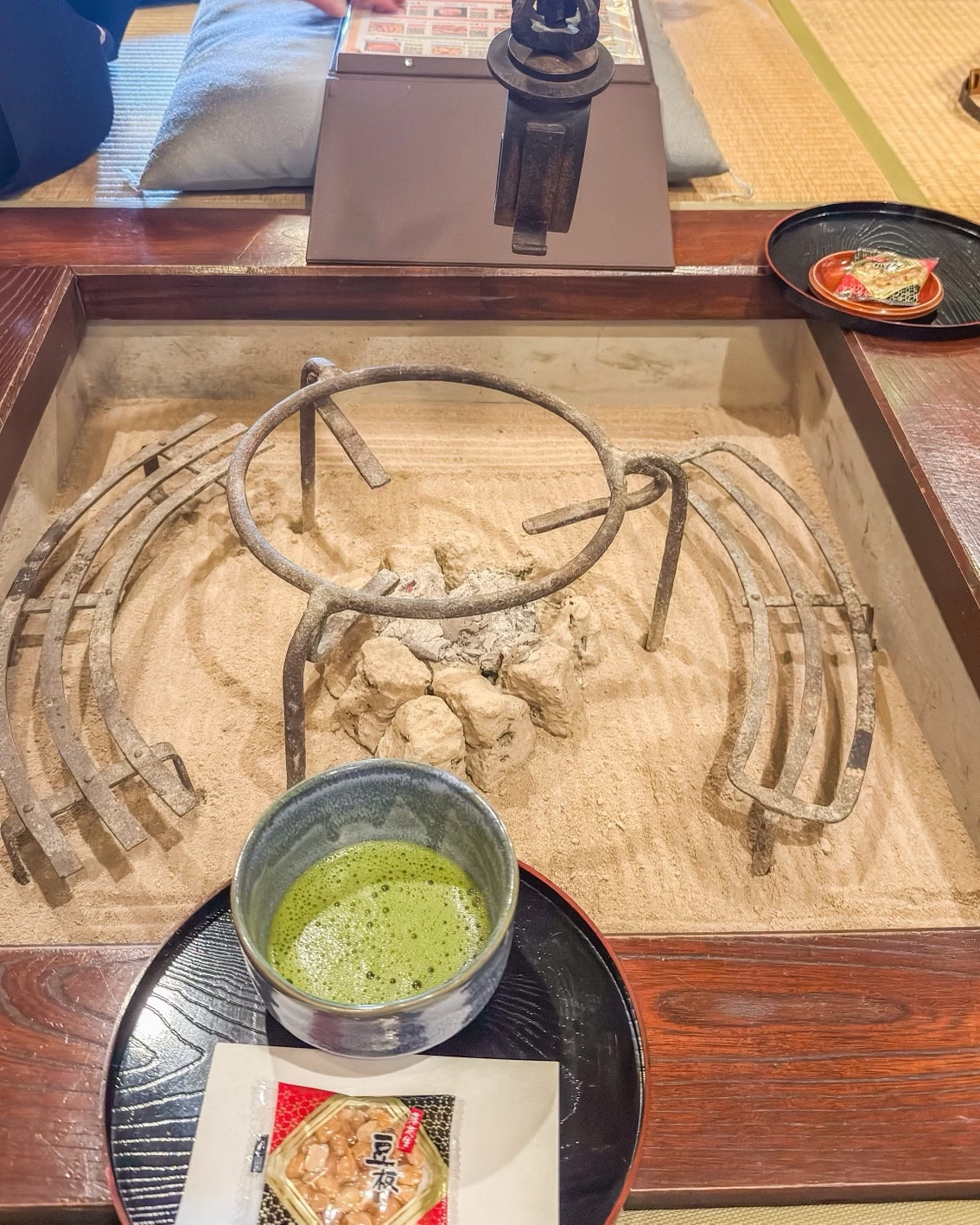
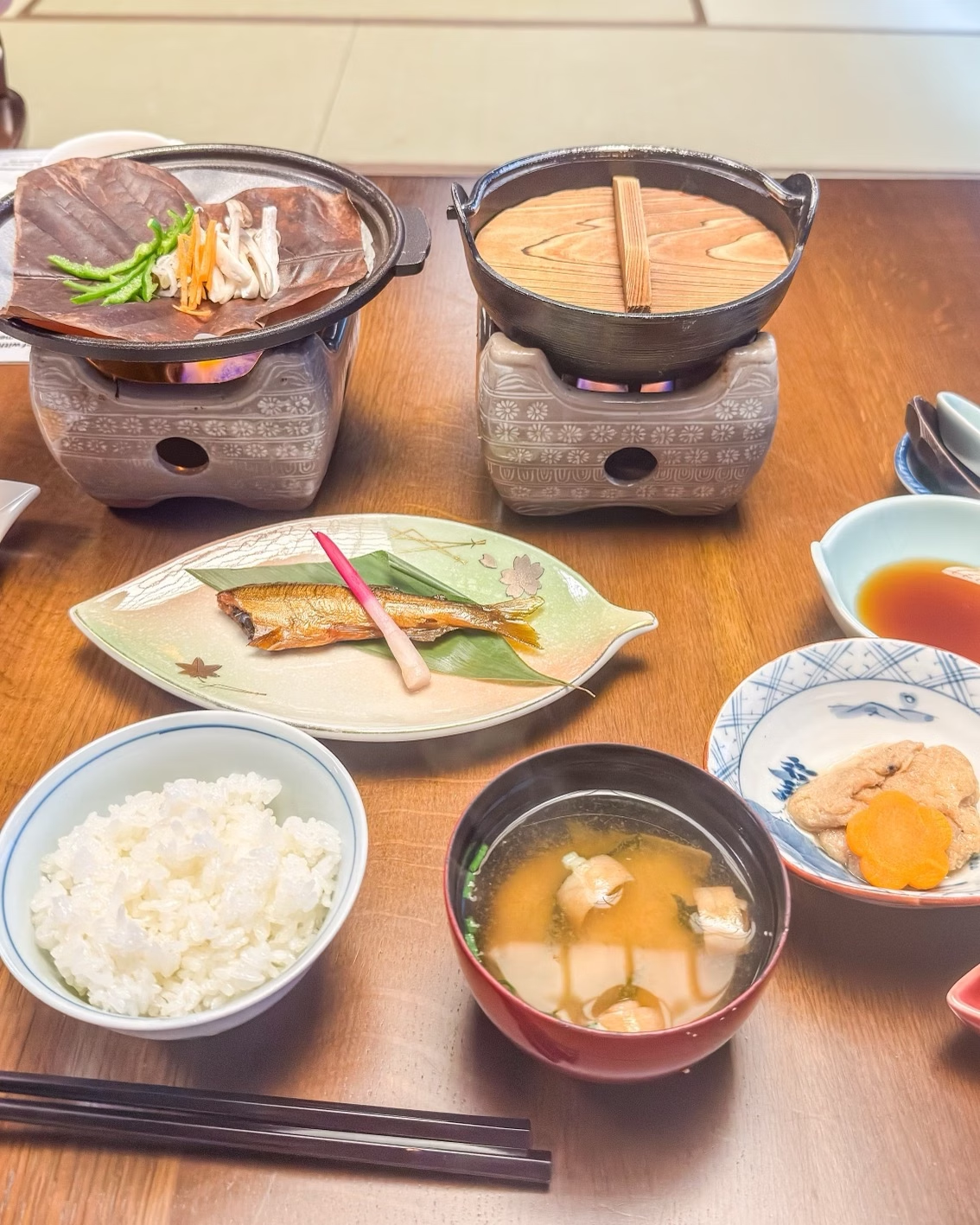
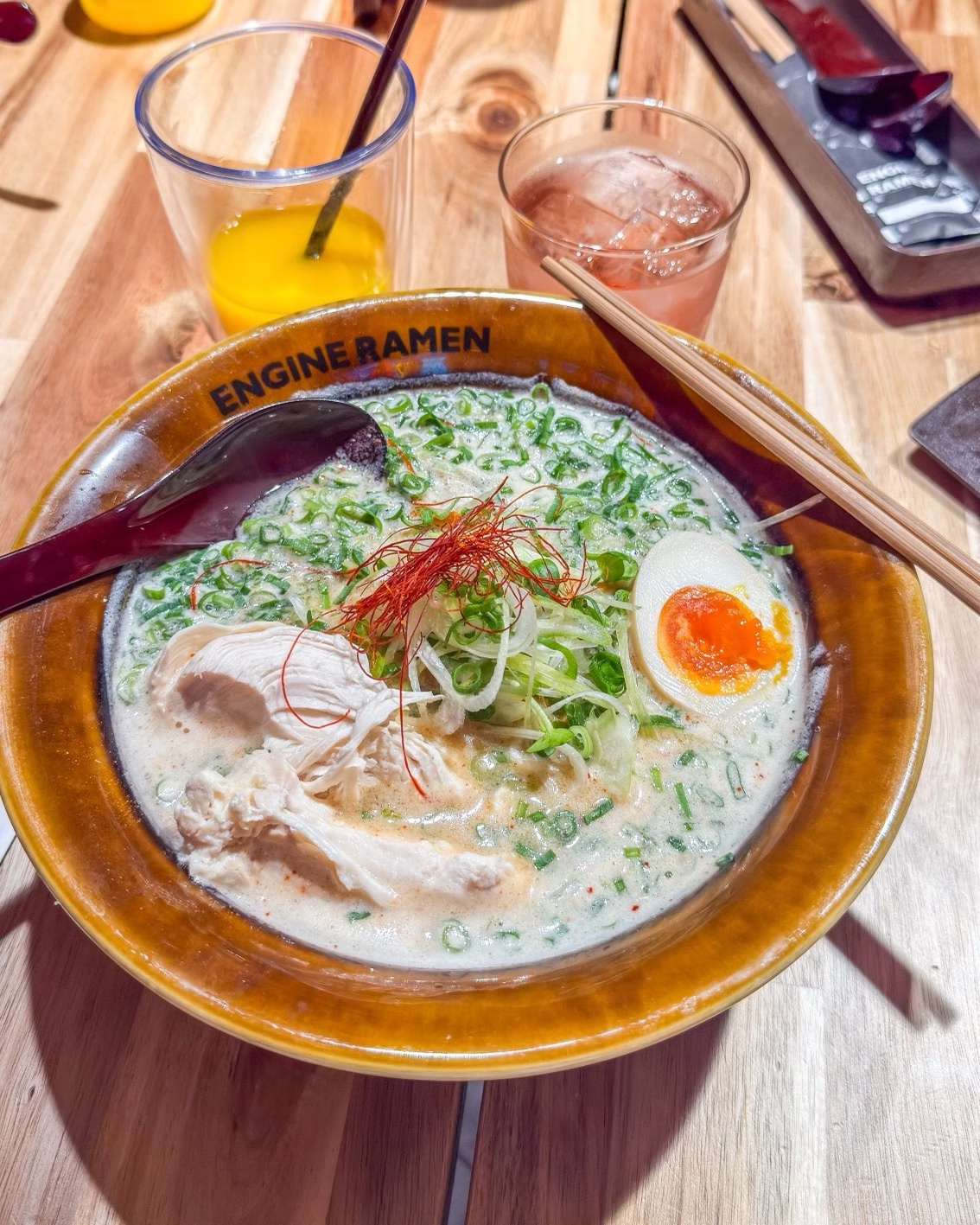
This guide to the must eat food in Japan focuses on what to try, where each dish is from, and where you can realistically find a good version. It covers regional delicacies, classic comfort food, street food, and a few viral foods that are worth trying once.
If you are still planning your route, start with Japan Travel Guide for First Timers: Everything You Need to Know, then use this food list to decide where to linger longer.
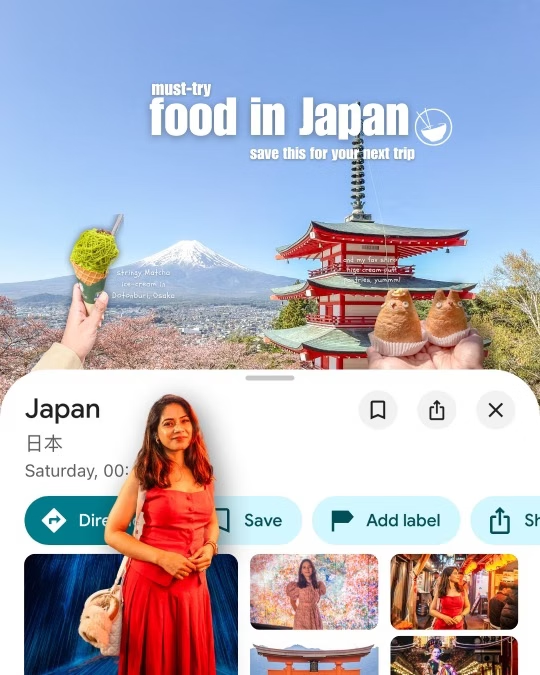
Quick Answer: Best Food to Try in Japan
If you only have time for the essentials, these are the must-eat foods in Japan:
- Sushi and sashimi
- Ramen
- Tempura
- Okonomiyaki
- Takoyaki
- Tonkatsu
- Yakitori
- Udon
- Soba
- Japanese curry
- Kaiseki dining
- Gyoza
- Donburi rice bowls
- Unagi
- Wagyu beef
- Onigiri
- Karaage
- Shabu-shabu
- Sukiyaki
- Matcha desserts
- Taiyaki
- Mochi
- Melon pan
- Hokkaido seafood
- Fukuoka tonkotsu ramen
Best Cities in Japan for Food
| City | Best known for | Best areas to eat |
|---|---|---|
| Tokyo | Sushi, ramen, street snacks, viral cafes | Tsukiji, Toyosu, Shinjuku, Shibuya, Ginza, Asakusa |
| Osaka | Takoyaki, okonomiyaki, kushikatsu | Dotonbori, Kuromon Market, Shinsekai, Namba |
| Kyoto | Kaiseki, tofu, matcha, traditional sweets | Nishiki Market, Gion, Arashiyama, Pontocho |
| Fukuoka | Tonkotsu ramen, yatai street stalls, mentaiko | Nakasu, Tenjin, Hakata |
| Sapporo | Miso ramen, seafood, soup curry, dairy | Nijo Market, Susukino, Ramen Alley |
| Hiroshima | Hiroshima-style okonomiyaki, oysters | Okonomimura, Miyajima, Hondori |
| Nagoya | Miso katsu, hitsumabushi, tebasaki wings | Sakae, Osu, Nagoya Station |
| Kanazawa | Seafood, sushi, gold leaf desserts | Omicho Market, Higashi Chaya |
| Kobe | Kobe beef, Chinese street food | Sannomiya, Nankinmachi, Kobe Harborland |
| Okinawa | Goya champuru, taco rice, Okinawa soba | Naha, Kokusai-dori, Makishi Market |
- Quick Answer: Best Food to Try in Japan
- Best Cities in Japan for Food
- 25 Best food to try in Japan
- Best Street Food in Japan
- City-Wise Food Specialities in Japan
- Osaka: Japan’s Street Food Capital – takoyaki, okonomiyaki and kushikatsu
- Tokyo: sushi, Ramen, Monjayaki, Tsukemen and viral Cafes
- Kyoto and Kansai specialties: Kaiseki, Yudofu, Matcha and Wagashi
- Hokkaido and northern Japan: seafood, miso ramen and dairy treats
- Regional dishes worth travelling for: Hiroshima, Nagoya, Fukuoka and beyond
- Fukuoka: Tonkotsu Ramen and Yatai Food Stalls
- Hiroshima: Okonomiyaki and Oysters
- Nagoya: Miso Katsu, Hitsumabushi and Tebasaki
- Kobe: Kobe Beef and Chinatown Snacks
- Kanazawa: Seafood, Sushi and Gold Leaf Sweets
- Okinawa: Goya Champuru, Taco Rice and Okinawa Soba
- 11 Best Food Markets to Visit in Japan
- Viral Food Trends in Japan Worth Trying
- Best Japanese Desserts and Sweet Snacks
- Tips for Eating in Japan as a Traveller
- Suggested Japan Food Itinerary for First-Time Visitors
- What to know before you go: how to find the best food in Japan
- Final Thoughts: What to Eat in Japan
- FAQ About Must Eat Food in Japan
25 Best food to try in Japan
1. Sushi and Sashimi
Sushi is the dish most travellers associate with Japan, and it absolutely deserves a place at the top of your list. In Japan, sushi can be a quick affordable meal, a standing bar experience, a conveyor-belt lunch or a once-in-a-lifetime omakase dinner.
Sashimi is thinly sliced raw fish or seafood served without rice, usually with soy sauce and wasabi.
Where to eat sushi in Japan
Tokyo is the best city for sushi variety. Visit:
- Tsukiji Outer Market, Tokyo — great for sushi breakfasts, seafood bowls and grilled seafood snacks
- Toyosu Market, Tokyo — famous wholesale fish market area with sushi restaurants nearby
- Ginza, Tokyo — ideal for high-end omakase sushi
- Kanazawa Omicho Market — excellent for fresh seafood and sushi bowls
- Hokkaido/Sapporo — famous for crab, sea urchin, scallops and salmon roe
What to order
Try tuna, salmon, sea bream, scallop, shrimp, squid, eel and tamago. If you are feeling adventurous, try uni, which is sea urchin, or ikura, salmon roe.
Traveller tip
For a budget-friendly sushi experience, try conveyor-belt sushi chains such as Sushiro, Kura Sushi or Hama Sushi. They are easy for tourists, usually have picture menus, and are great if you want to try many types of sushi without spending too much.
2. Ramen
Ramen is one of the best foods to try in Japan because every region has its own style. A bowl usually includes wheat noodles, broth, sliced pork, spring onions, bamboo shoots and sometimes a soft-boiled egg.
Main types of ramen
- Shoyu ramen — soy sauce-based broth, common in Tokyo
- Miso ramen — rich, savoury ramen from Sapporo
- Shio ramen — salt-based, lighter broth
- Tonkotsu ramen — creamy pork bone broth from Fukuoka
- Tsukemen — dipping noodles served separately from the broth
Best places for ramen in Japan
Tokyo: Shinjuku, Ikebukuro and Tokyo Station Ramen Street
Sapporo: Sapporo Ramen Yokocho for miso ramen
Fukuoka: Hakata and Nakasu for tonkotsu ramen
Kyoto: Kyoto Station area and Ichijoji ramen district
Osaka: Namba and Dotonbori
Don’t miss
- If you visit Fukuoka, eating Hakata tonkotsu ramen at a late-night yatai food stall is one of the best food experiences in Japan.
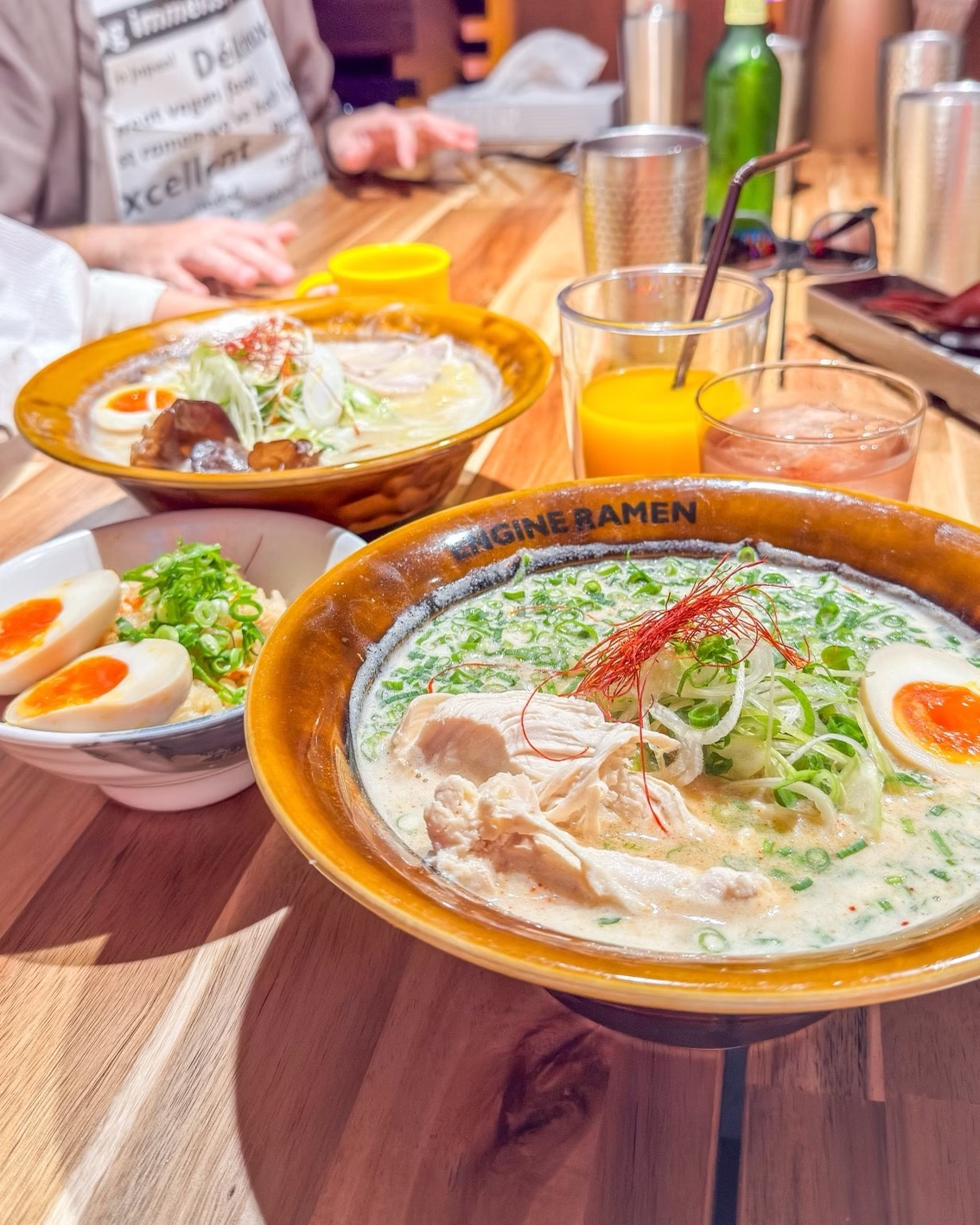
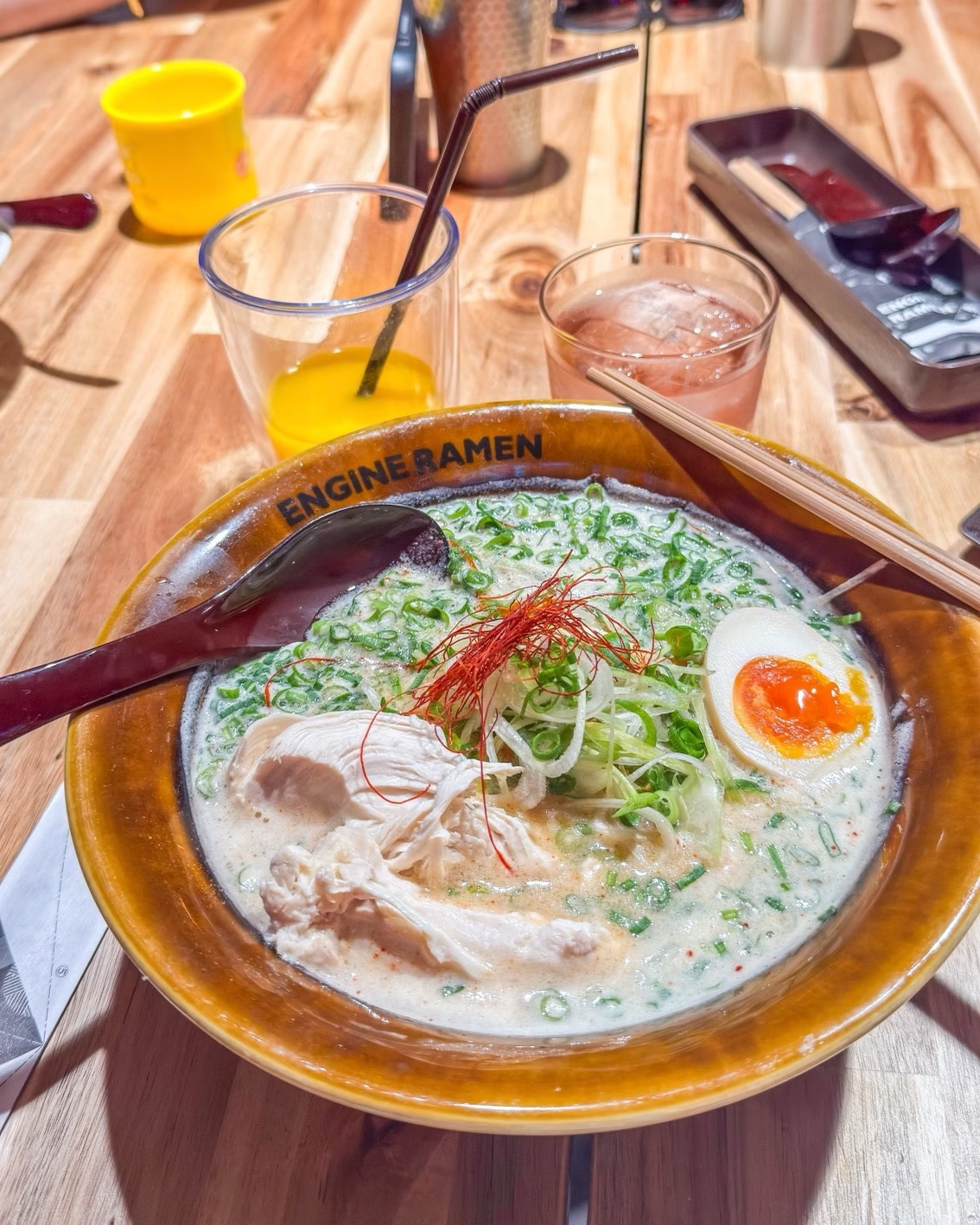
- One of the best ramen I have had was in Kyoto Engine Ramen. In fact the best Ramen of my life, we liked it so much we visited the same place in both our trips in March 2024 and April 2026.
3. Tempura
Tempura is seafood or vegetables coated in a light batter and fried until crisp. Good tempura should feel delicate, not heavy or greasy.
Common tempura ingredients include shrimp, white fish, pumpkin, sweet potato, lotus root, mushroom and aubergine.
Where to eat tempura
- Tokyo: Asakusa is a traditional tempura area
- Kyoto: good tempura restaurants near Gion and Pontocho
- Osaka: casual tempura spots around Namba
How to eat it
Tempura is usually served with dipping sauce, grated daikon radish and rice. You may also see tendon, which is a bowl of rice topped with tempura and sauce.
4. Okonomiyaki
Okonomiyaki is a savoury Japanese pancake made with batter, cabbage and toppings such as pork, seafood, cheese or mochi. It is finished with sweet-savoury sauce, mayonnaise, seaweed flakes and bonito flakes.
There are two famous styles: Osaka-style and Hiroshima-style.
Osaka-style okonomiyaki
Everything is mixed together before being grilled. It is soft, rich and filling.
Best places to try it:
- Dotonbori, Osaka
- Namba, Osaka
- Umeda, Osaka
Hiroshima-style okonomiyaki
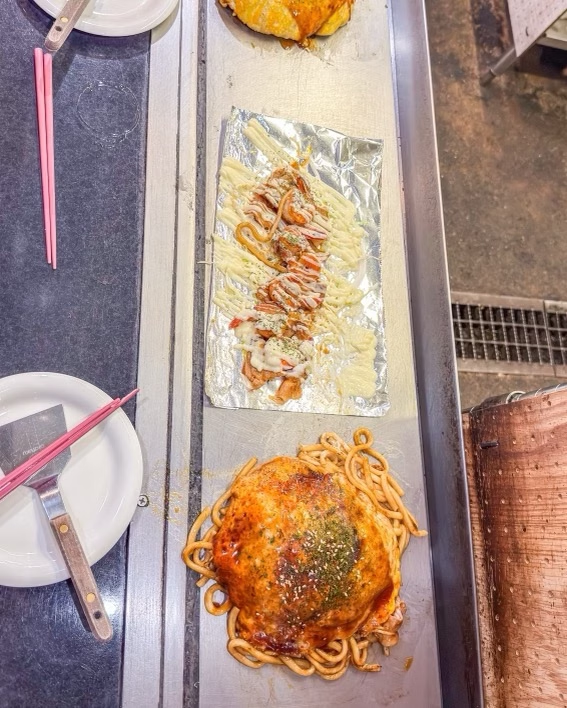
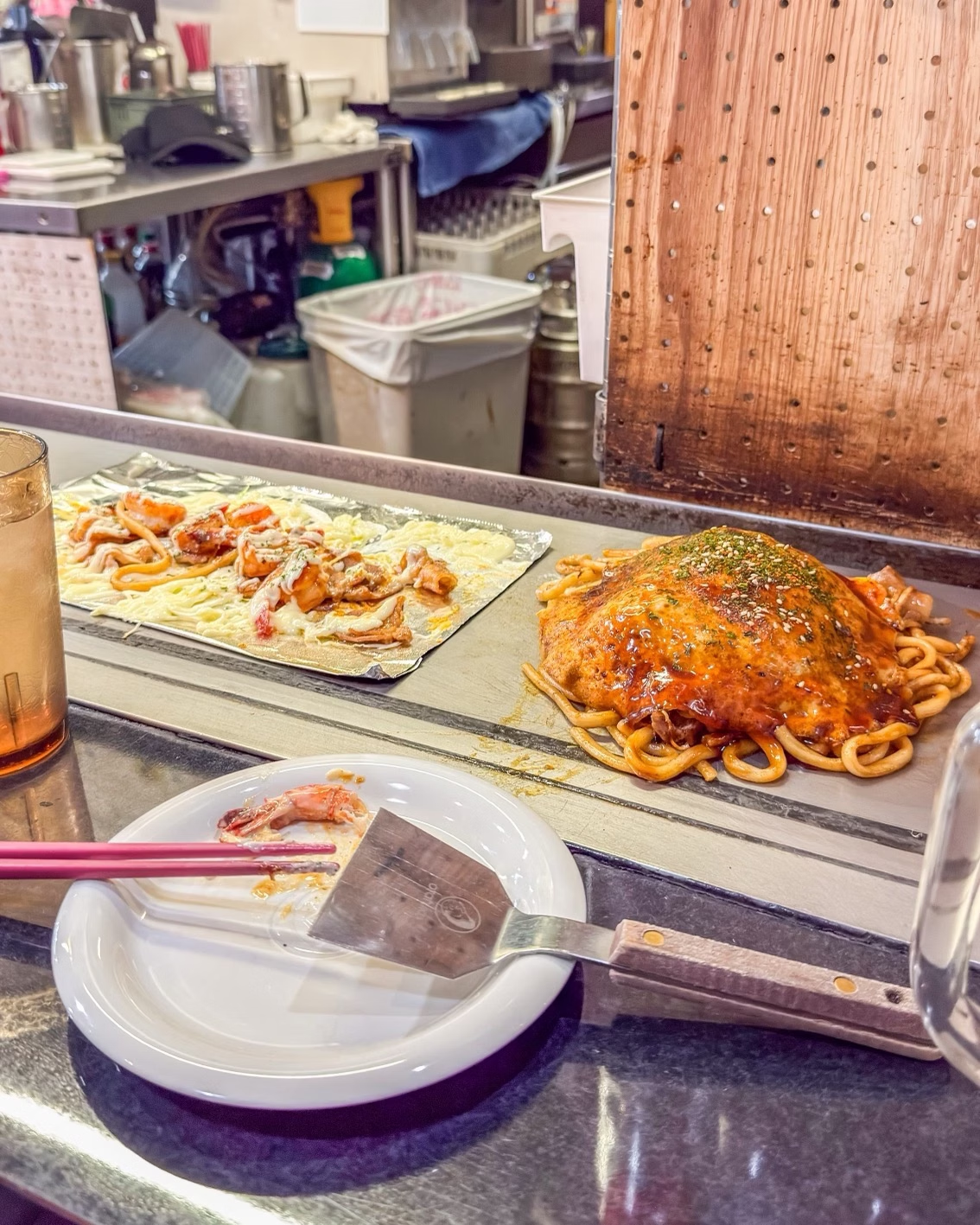
Ingredients are layered instead of mixed, and it usually includes noodles.
Best places to try it:
- Okonomimura, Hiroshima
- Hondori area, Hiroshima
- Around Hiroshima Station
Traveller tip
If you can, try both Osaka and Hiroshima styles. They are different enough that they feel like two separate dishes. We tried Okonomiyaki in both the cities and loved it, loved the layers in Hiroshima.
5. Takoyaki
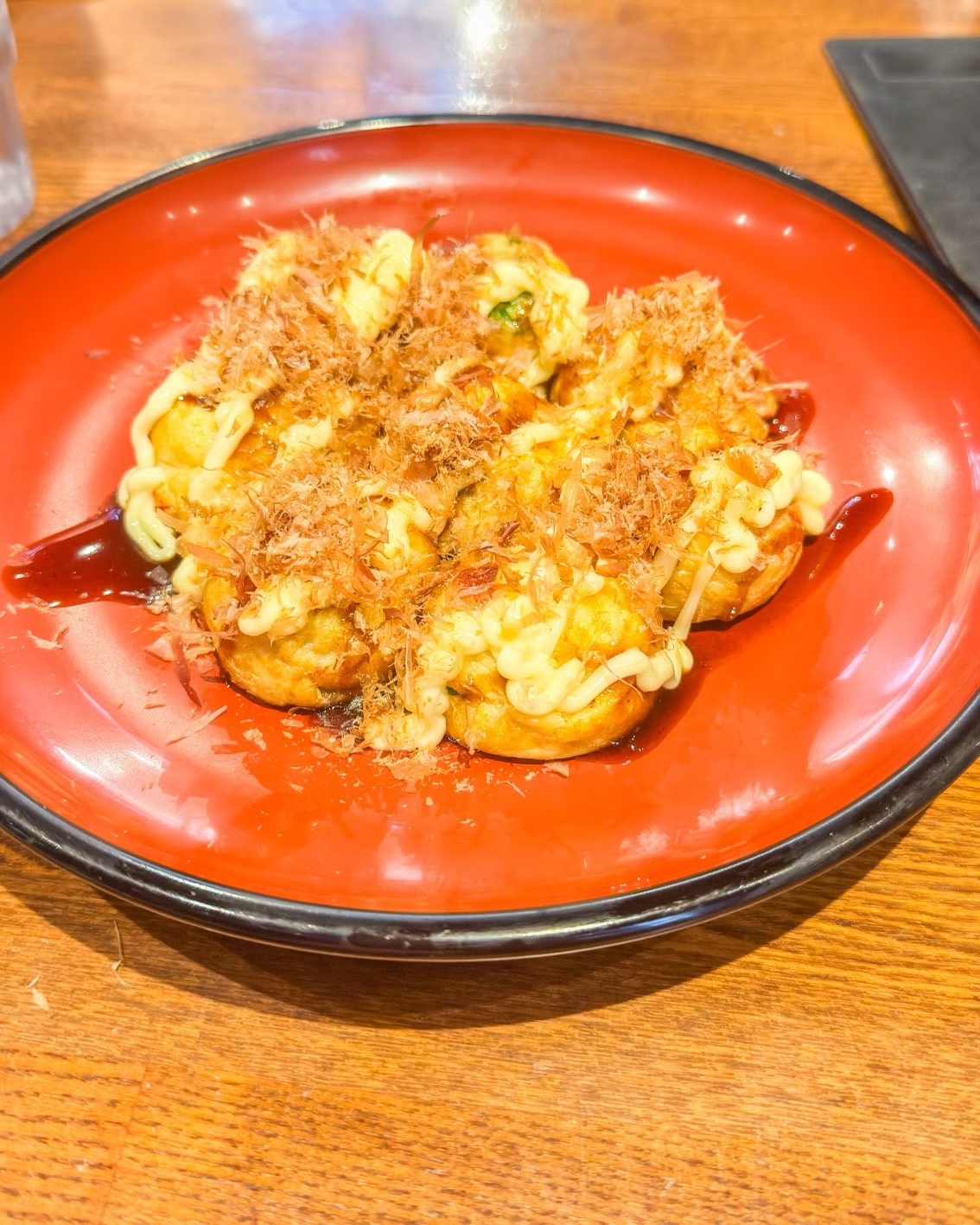
Takoyaki are hot, round balls of batter filled with octopus, cooked in special moulded pans and topped with sauce, mayonnaise, seaweed and bonito flakes.
They are one of the most famous Japanese street foods and a must-eat dish in Osaka.
Best places for takoyaki
- Dotonbori, Osaka
- Kuromon Ichiba Market, Osaka
- Shinsekai, Osaka
- Ameya-Yokocho, Tokyo
- Nishiki Market, Kyoto
Important tip
Takoyaki is extremely hot inside. Don’t bite into it too quickly unless you want to burn your mouth. Break it open first and let it cool for a moment.
I have tried Takoyaki both in Tokyo and Osaka. Although Osaka is the home where Takoyaki was born, I prefer Takoyaki in Tokyo.
6. Tonkatsu
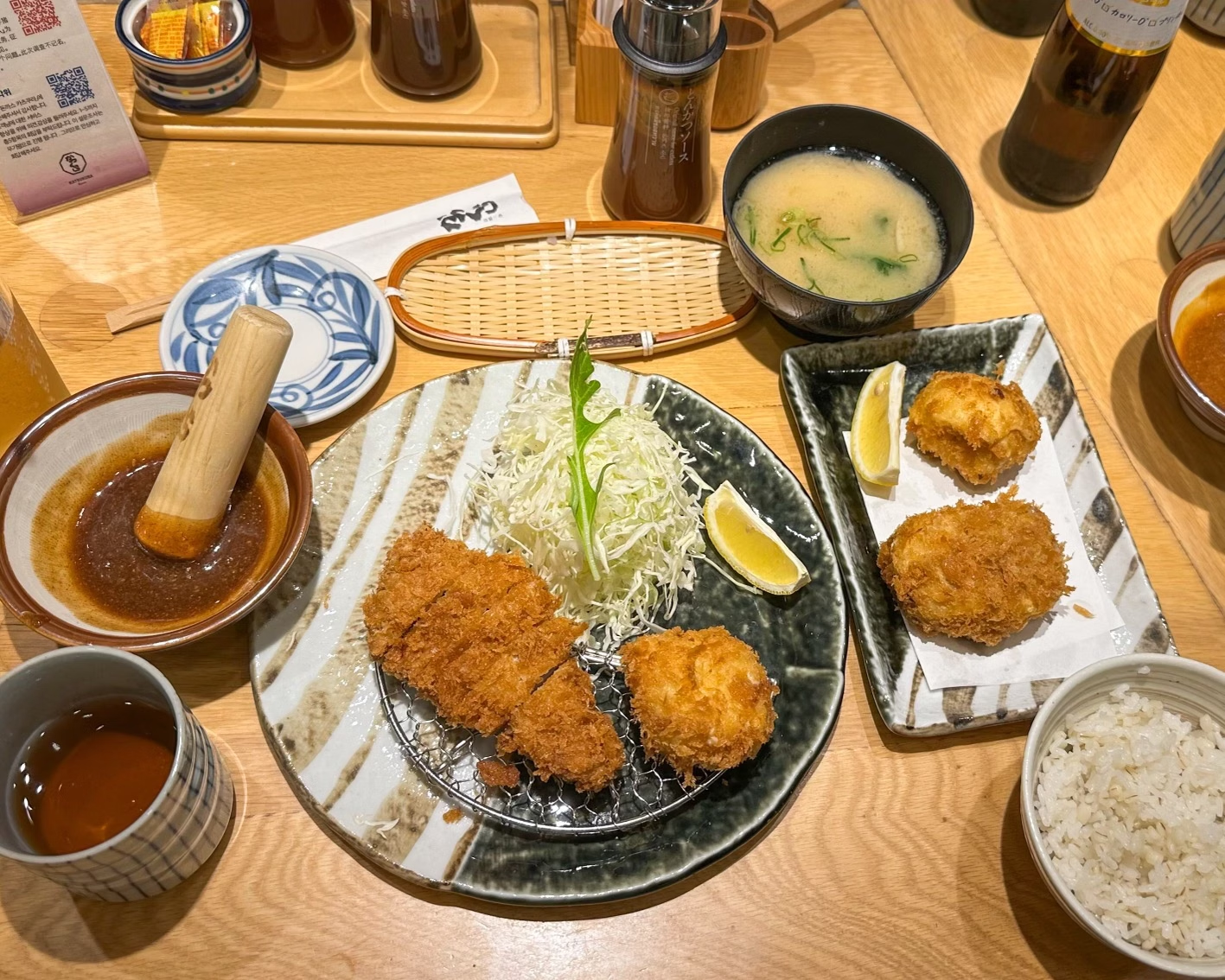
Tonkatsu is a breaded and deep-fried pork cutlet, usually served with shredded cabbage, rice, miso soup and a thick fruity sauce.
There are two main cuts:
- Rosu katsu — fattier and juicier
- Hire katsu — leaner and more tender
Where to eat tonkatsu
Tokyo has excellent tonkatsu restaurants, especially around Ginza, Shinjuku and Ueno. You can also find casual tonkatsu chains across Japan, which are perfect for an affordable lunch.
Related dish to try
In Nagoya, try miso katsu, a local version topped with rich red miso sauce.
7. Yakitori
Yakitori is grilled chicken skewered and cooked over charcoal. It is popular at izakaya, food alleys and casual drinking spots.
Common yakitori options include chicken thigh, chicken wings, meatballs, liver, skin and spring onion skewers.
Best places for yakitori
- Omoide Yokocho, Shinjuku, Tokyo
- Yakitori Alley, Yurakucho, Tokyo
- Hoppy Street, Asakusa, Tokyo
- Pontocho, Kyoto
- Nakasu yatai stalls, Fukuoka
How to order
You may be asked if you want tare or shio. Tare is a sweet soy-based sauce. Shio means salt. If unsure, try a mix of both.
8. Udon
Udon are thick wheat noodles served hot or cold. The texture is soft, chewy and comforting.
Regional udon to try
Sanuki udon in Kagawa
This is one of Japan’s most famous udon styles, known for its firm, chewy texture.
Kitsune udon in Osaka or Kyoto
Served with sweet fried tofu.
Curry udon
A warming bowl of udon noodles in Japanese curry broth.
Where to eat udon
- Kagawa Prefecture for the best Sanuki udon
- Kyoto and Osaka for classic bowls
- Tokyo for casual udon chains and lunch spots
9. Soba
Soba are thin buckwheat noodles, often served chilled with dipping sauce or hot in broth. They are especially good if you want something lighter than ramen.
Best soba experiences
- Nagano Prefecture — famous for high-quality soba
- Tokyo — traditional standing soba shops near train stations
- Kyoto — refined soba restaurants in historic areas
What to order
Try zaru soba, which is cold soba served on a bamboo tray with dipping sauce. At the end, many restaurants serve sobayu, the hot water used to cook the soba, which you mix with the remaining dipping sauce.
10. Japanese Curry
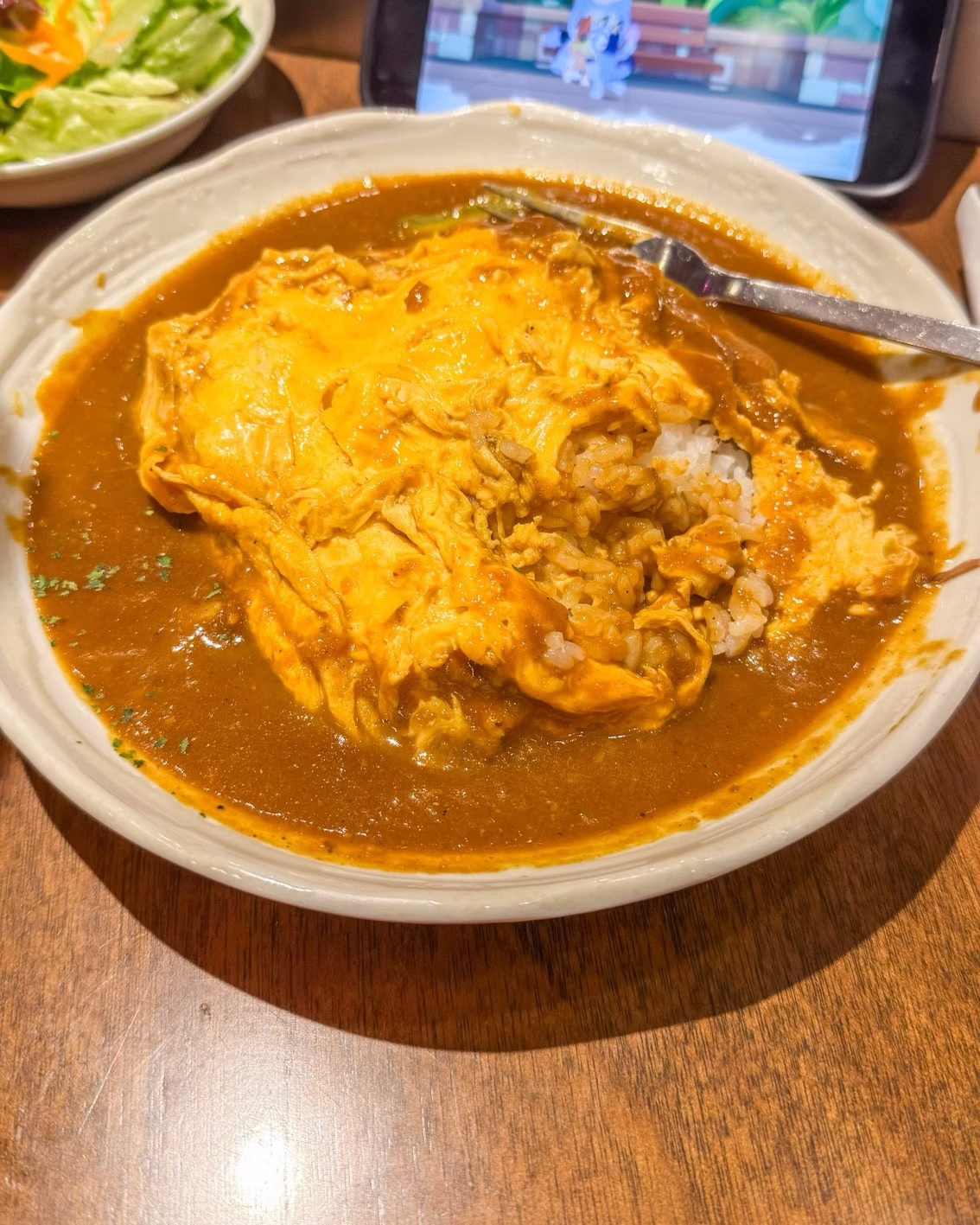
Japanese curry is thicker, sweeter and milder than many other curries. It is usually served with rice and toppings such as pork cutlet, chicken, beef, vegetables or cheese.
Where to eat Japanese curry
You can find curry everywhere in Japan, from small local restaurants to casual chains. It is a great affordable meal if you want something filling after a long day of sightseeing.
Popular versions
- Katsu curry — curry rice with fried pork cutlet
- Beef curry — rich and comforting
- Soup curry — a Sapporo speciality with a thinner, spiced soup base
The best curry we had was in Ichibanya in Takayama. You can customise everything over there from what curry base you would like to what toppings you can add. That was quite helpful for our group where some people were vegetarians.
11. Kaiseki
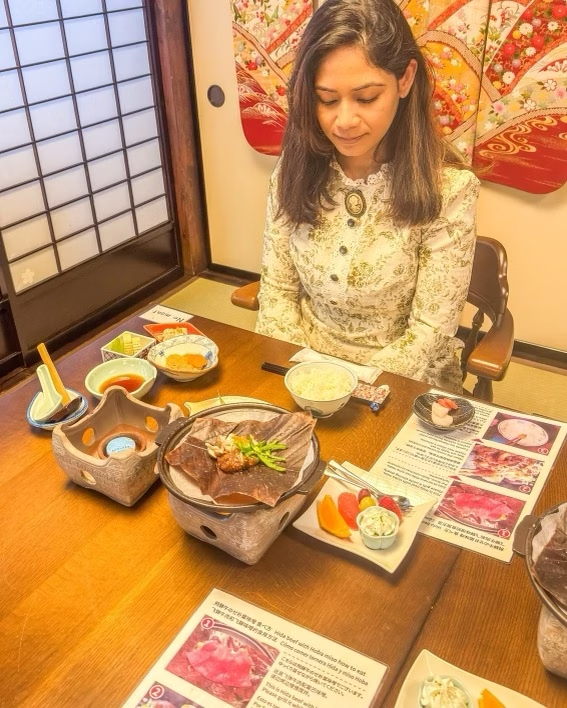
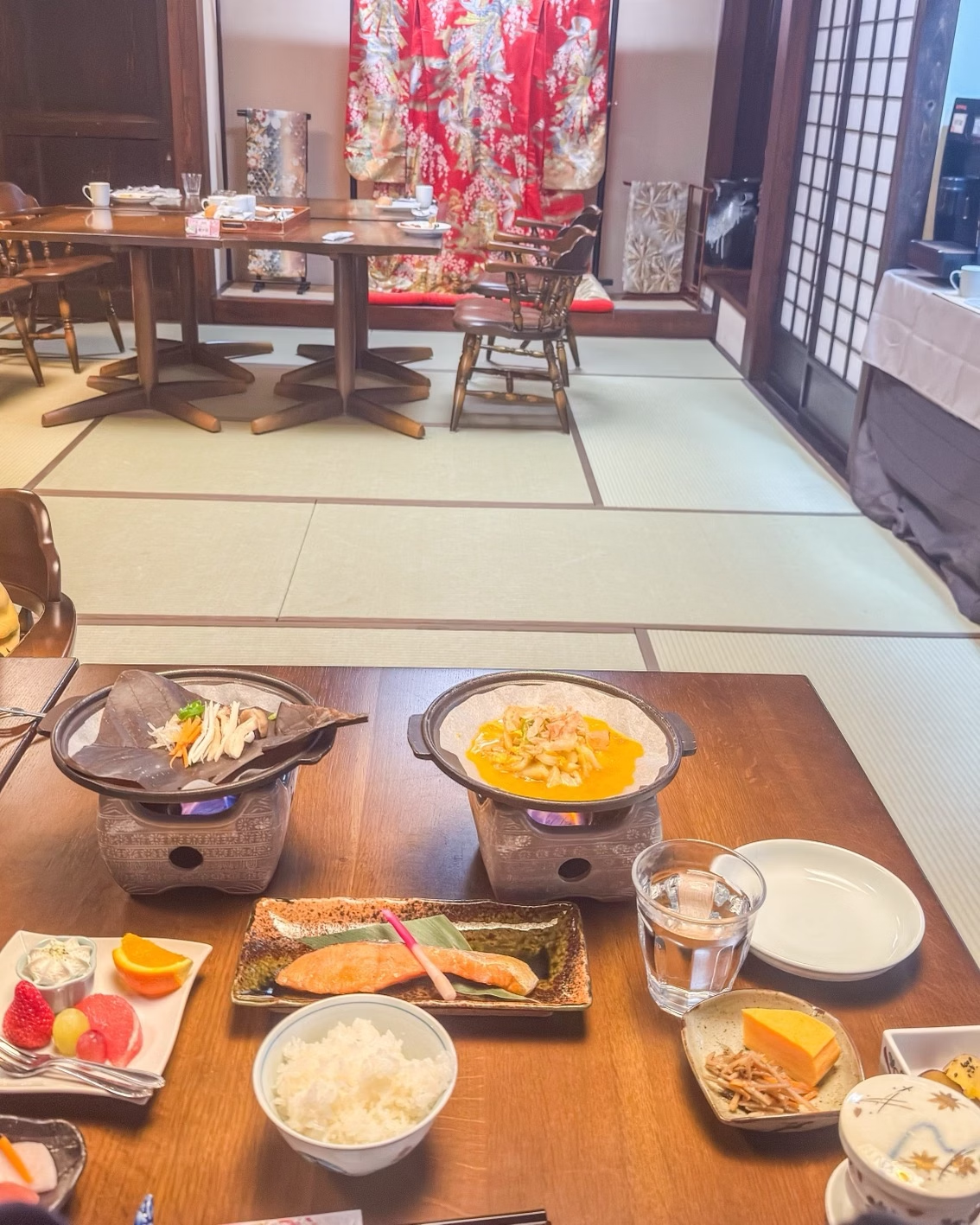
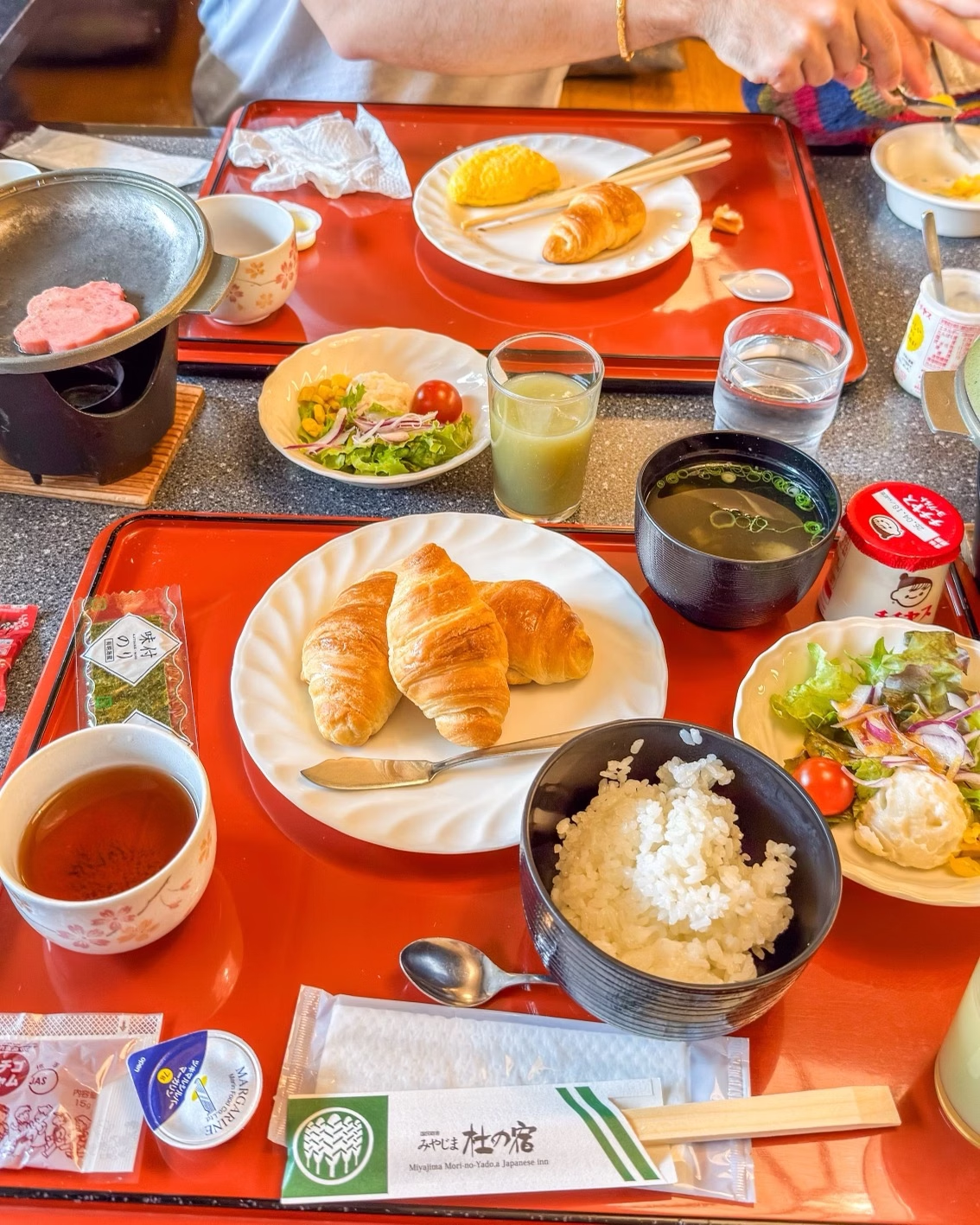
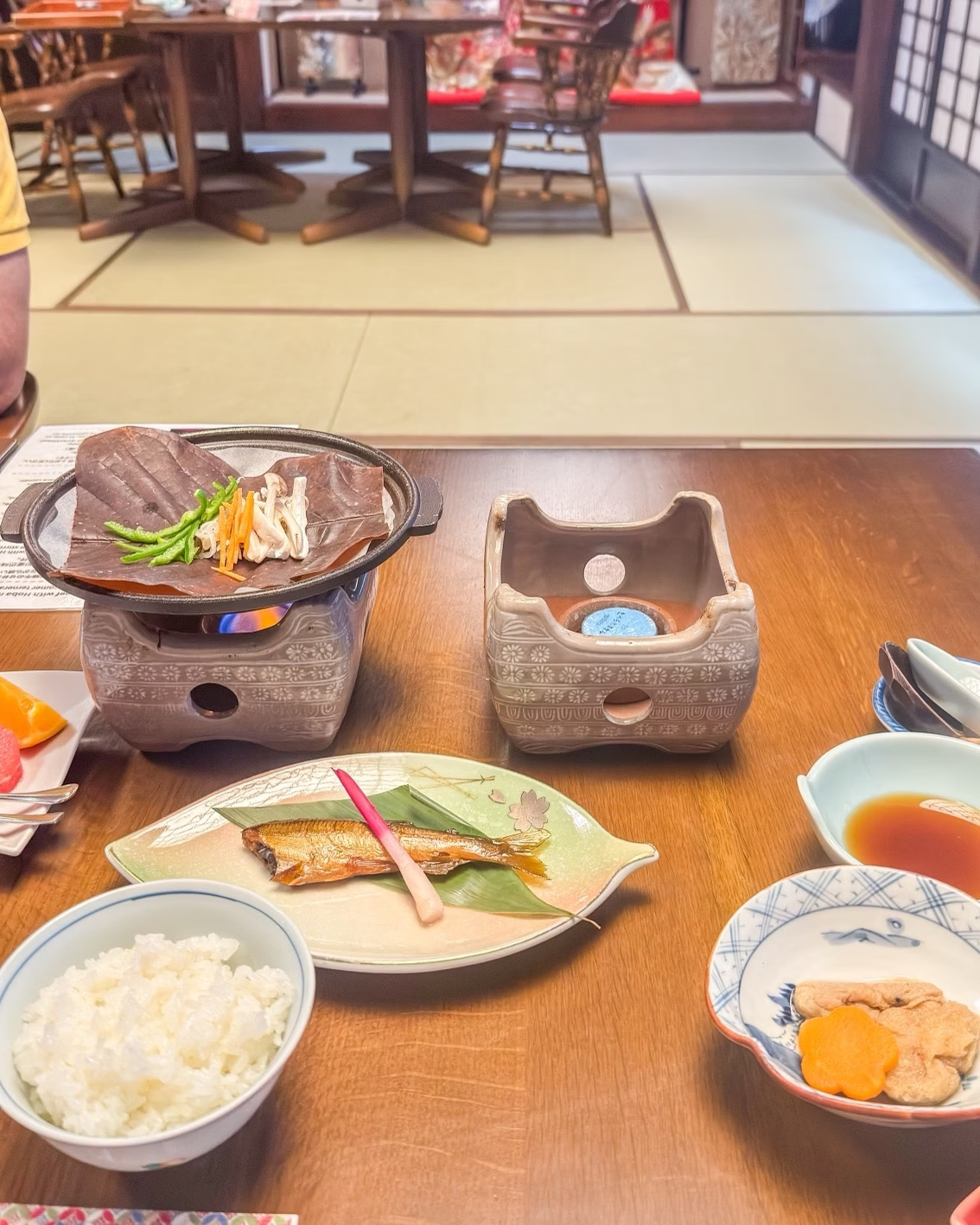
Kaiseki is traditional multi-course Japanese dining. It focuses on seasonality, presentation and balance. A kaiseki meal may include appetisers, sashimi, grilled fish, simmered dishes, rice, soup, pickles and dessert.
Best place to try kaiseki
Kyoto is the best city for kaiseki, especially around:
- Gion
- Pontocho
- Higashiyama
- Arashiyama
Is kaiseki expensive?
It can be expensive, especially for dinner. A good tip is to book a kaiseki lunch, which is often more affordable than dinner but still gives you the experience.
We ate several Kaiseki meals that were included with our stay and it was the best Japanese food I have ever tasted. We ate Japanese Kaiseki breakfast in Miyajima, and in Takayama.
12. Gyoza
Gyoza are Japanese dumplings, usually filled with pork, cabbage, garlic and chives. They are pan-fried until crispy on the bottom and soft on top.
Where to eat gyoza
- Utsunomiya — one of Japan’s most famous gyoza cities
- Hamamatsu — another top gyoza destination
- Tokyo and Osaka — easy to find at ramen shops and izakaya
Best pairing
Gyoza and ramen are a perfect casual meal combination.
13. Donburi Rice Bowls
Donburi means a rice bowl topped with meat, seafood, egg or vegetables. It is quick, filling and usually affordable.
Popular donburi dishes
- Gyudon — beef bowl
- Katsudon — pork cutlet and egg over rice
- Oyakodon — chicken and egg bowl
- Tendon — tempura rice bowl
- Kaisendon — seafood rice bowl
Where to eat donburi
For seafood donburi, go to markets such as:
- Tsukiji Outer Market, Tokyo
- Omicho Market, Kanazawa
- Nijo Market, Sapporo
- Hakodate Morning Market, Hokkaido
14. Unagi
Unagi is freshwater eel, usually grilled and glazed with a sweet soy-based sauce. It is often served over rice as unadon or unaju.
Where to eat unagi
- Tokyo for traditional eel restaurants
- Nagoya for hitsumabushi
- Hamamatsu for famous eel dishes
Must-try regional version: Hitsumabushi
In Nagoya, try hitsumabushi, a special eel rice dish eaten in stages. First, you eat it plain. Then with toppings. Finally, with tea or broth poured over it.
15. Wagyu Beef
Wagyu is Japanese beef known for its marbling, tenderness and rich flavour. The most famous types include Kobe beef, Matsusaka beef and Omi beef.
Best places to try wagyu
- Kobe for Kobe beef
- Matsusaka, Mie Prefecture for Matsusaka beef
- Tokyo and Osaka for wagyu yakiniku and steak restaurants
- Takayama for Hida beef
Affordable ways to try wagyu
You do not need to book an expensive steak dinner. Try wagyu skewers at markets, wagyu sushi, yakiniku lunch sets or beef croquettes in tourist areas.
We went for Tepenyaki in Tokyo during March 2024, where we had Kobe, Hida and Wagyu beef. And on our visit to Takayama in April 2026, we tried Hida beef.
16. Onigiri
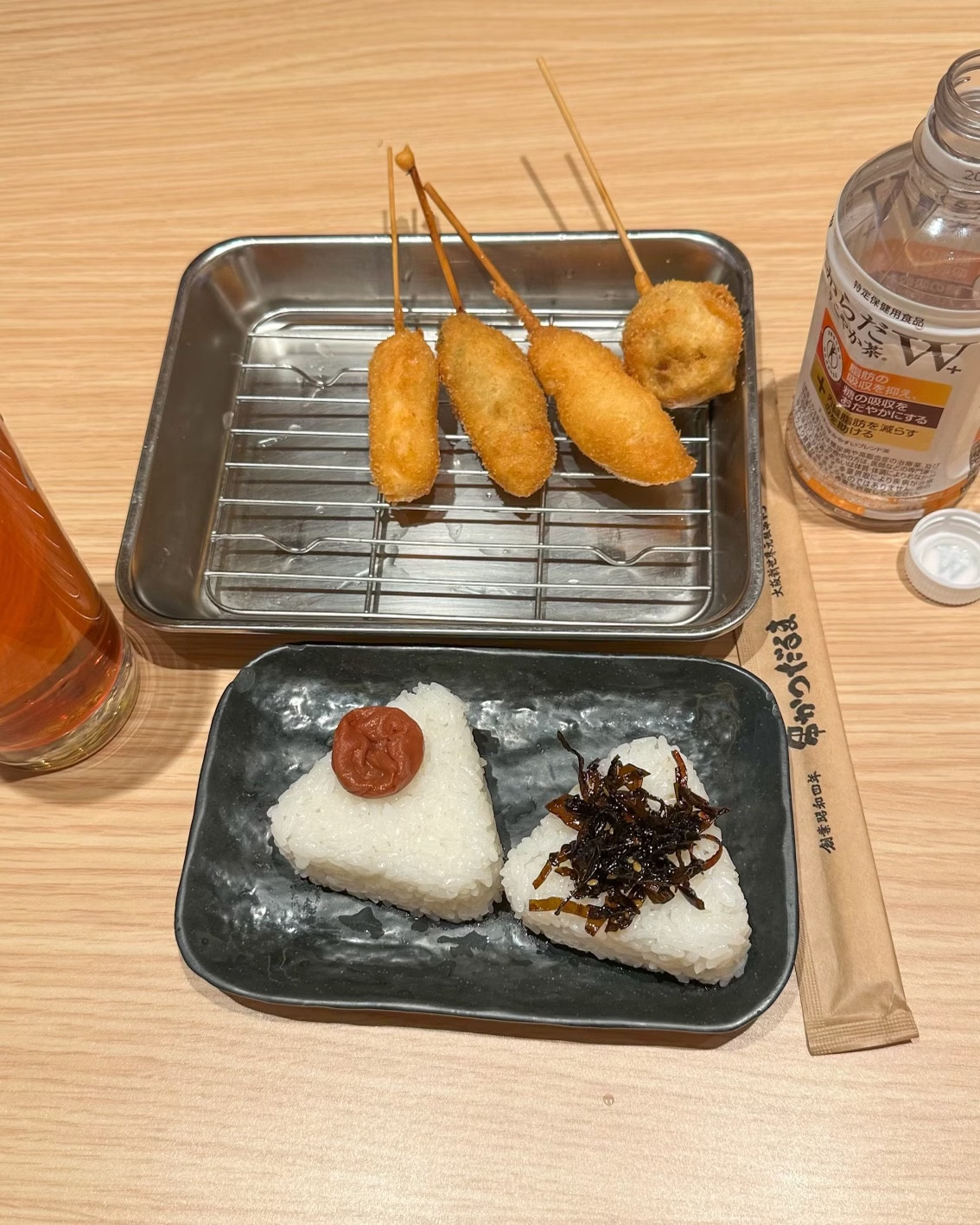
Onigiri are Japanese rice balls wrapped in seaweed and filled with ingredients such as salmon, tuna mayo, pickled plum, kelp or cod roe.
They are simple, cheap and perfect for train journeys.
Where to buy onigiri
- Convenience stores such as 7-Eleven, Lawson and FamilyMart
- Train station kiosks
- Department store food halls
- Specialist onigiri shops
Best flavours for first-timers
Start with tuna mayo, salmon or grilled rice balls called yaki onigiri.
17. Karaage
Karaage is Japanese fried chicken, usually marinated in soy sauce, garlic and ginger before being fried. It is crispy outside and juicy inside.
Where to eat karaage
You can find karaage at izakaya, convenience stores, markets and street food stalls. It is especially good with a squeeze of lemon and a cold drink.
Best areas
- Oita Prefecture is especially famous for karaage
- Tokyo and Osaka have many casual karaage spots
- Food markets often sell karaage cups for eating on the go
18. Shabu-Shabu
Shabu-shabu is a Japanese hotpot dish where thin slices of meat are briefly swished in hot broth and eaten with dipping sauces.
What to expect
You usually cook the meat yourself at the table, then add vegetables, tofu and noodles.
Best cities for shabu-shabu
Tokyo, Osaka and Kyoto all have excellent shabu-shabu restaurants. It is a good dinner option if you are travelling as a couple or group.
19. Sukiyaki
Sukiyaki is another hotpot-style dish, but it has a sweeter soy-based sauce. Thinly sliced beef is cooked with tofu, vegetables and noodles.
Traditionally, the cooked beef may be dipped into raw egg before eating, although you can skip this if you prefer.
Where to eat sukiyaki
Kyoto and Tokyo both have long-established sukiyaki restaurants. For a special meal, look for restaurants serving wagyu sukiyaki.
20. Matcha Desserts
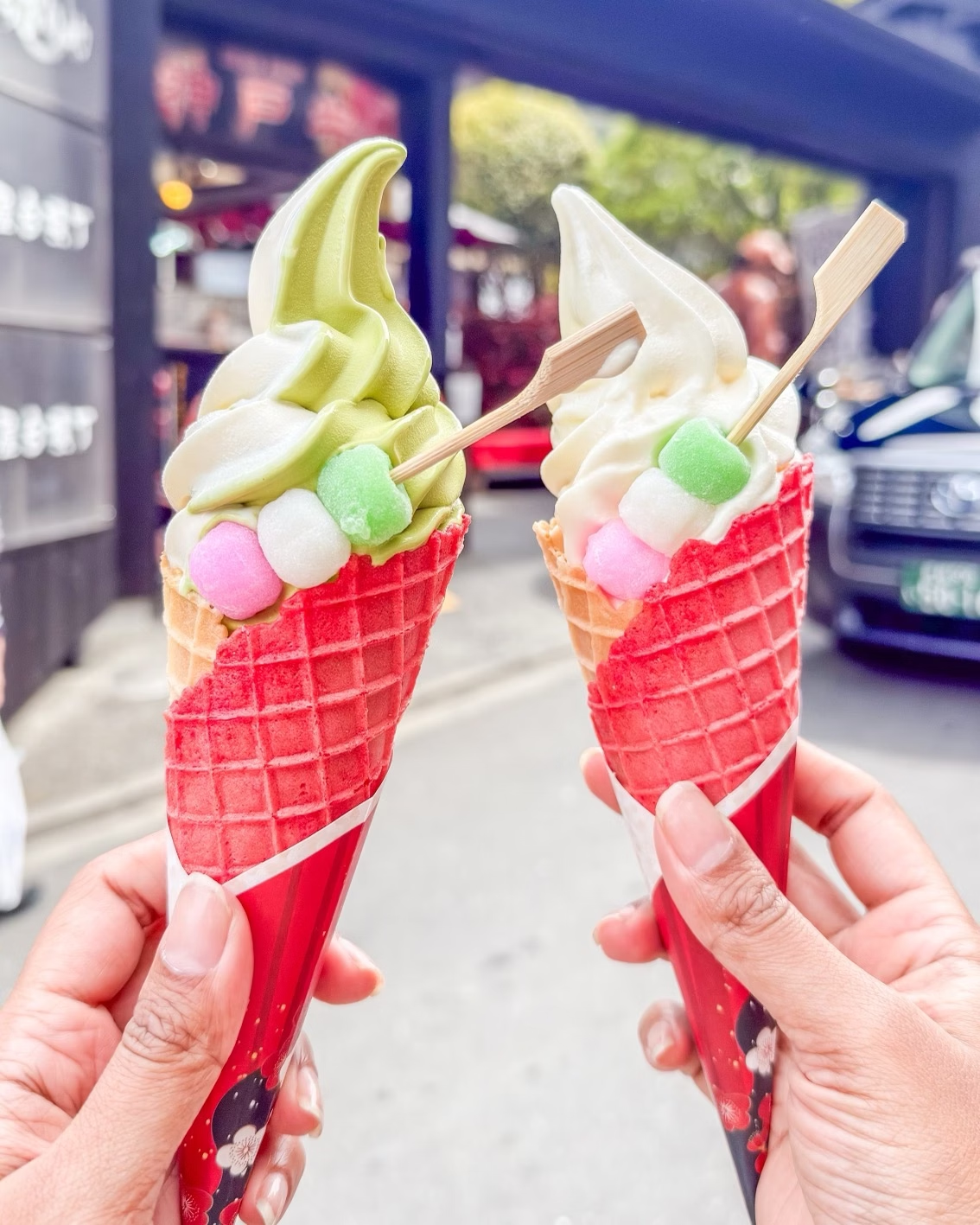
Matcha is powdered green tea, and Japan is the best place to try it in desserts. You will find matcha ice cream, parfaits, cakes, lattes, mochi, biscuits and traditional sweets.
Best places for matcha
Kyoto is the matcha capital for many travellers.
Visit:
- Uji, near Kyoto — one of Japan’s most famous green tea areas
- Nishiki Market, Kyoto — matcha snacks and sweets
- Gion, Kyoto — tea houses and dessert cafes
- Tokyo — modern matcha cafes and dessert shops
What to try
- Matcha soft serve
- Matcha parfait
- Matcha mochi
- Matcha tiramisu
- Matcha latte
- Warabimochi with matcha powder
21. Taiyaki
Taiyaki is a fish-shaped cake usually filled with sweet red bean paste, custard, chocolate or sweet potato. Despite its fish shape, it is a dessert, not seafood.
Where to eat taiyaki
- Asakusa, Tokyo
- Nakamise Shopping Street, Tokyo
- Nishiki Market, Kyoto
- Dotonbori, Osaka
Viral versions
You may see taiyaki filled with ice cream, matcha cream or seasonal flavours. These are popular with travellers because they look great in photos and are easy to eat while sightseeing.
22. Mochi and Daifuku
Mochi is a chewy rice cake made from glutinous rice. Daifuku is mochi filled with sweet paste, cream or fruit.
Popular types
- Ichigo daifuku — mochi with strawberry and sweet bean paste
- Warabimochi — soft jelly-like dessert dusted with kinako soybean powder
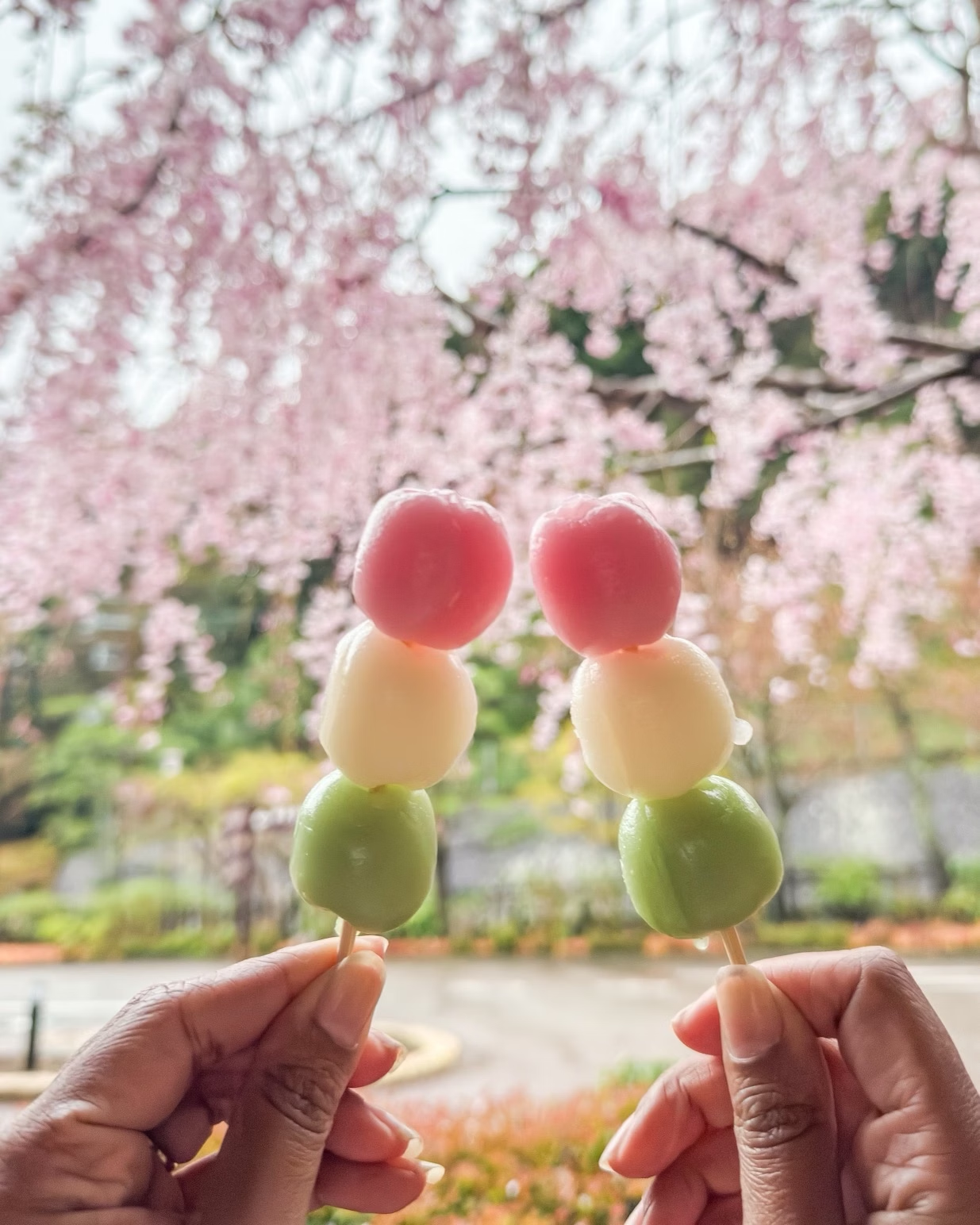
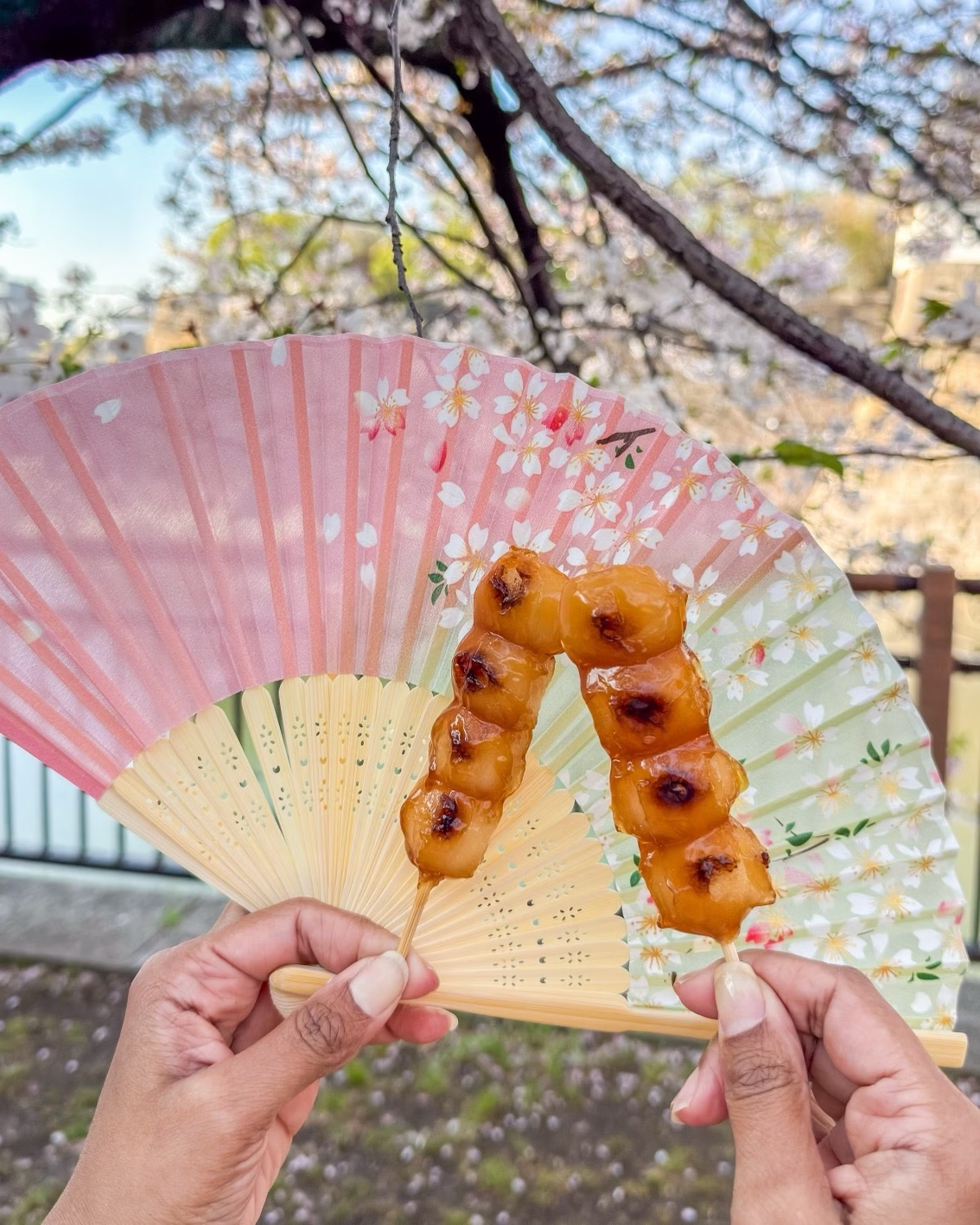
- Mitarashi dango — skewered rice dumplings with sweet soy glaze
- Sakura mochi — seasonal cherry blossom mochi
Best places to try mochi
- Kyoto for traditional sweets
- Nara for famous mochi-pounding shops
- Tokyo department store food halls for high-quality daifuku
- Markets and temple streets for dango and seasonal sweets
23. Melon Pan
Melon pan is a sweet Japanese bread with a crisp cookie-like top. It does not usually taste strongly of melon; the name comes from its melon-like appearance.
Where to try melon pan
- Asakusa, Tokyo
- Kyoto bakery streets
- Convenience stores
- Train station bakeries
Popular version
Try melon pan filled with ice cream if you see it. It is especially popular in tourist areas.
24. Yakiniku
Yakiniku means Japanese grilled meat. You cook bite-sized pieces of beef, pork or chicken on a grill at your table.
Best places for yakiniku
- Tokyo: Shinjuku, Shibuya, Ueno
- Osaka: Namba, Umeda
- Kobe: for premium beef
- Sapporo: try Jingisukan, Hokkaido-style grilled lamb
What to order
If you are trying wagyu, order a small selection of different cuts rather than only one expensive plate. You will get a better sense of texture and flavour.
25. Japanese Convenience Store Food
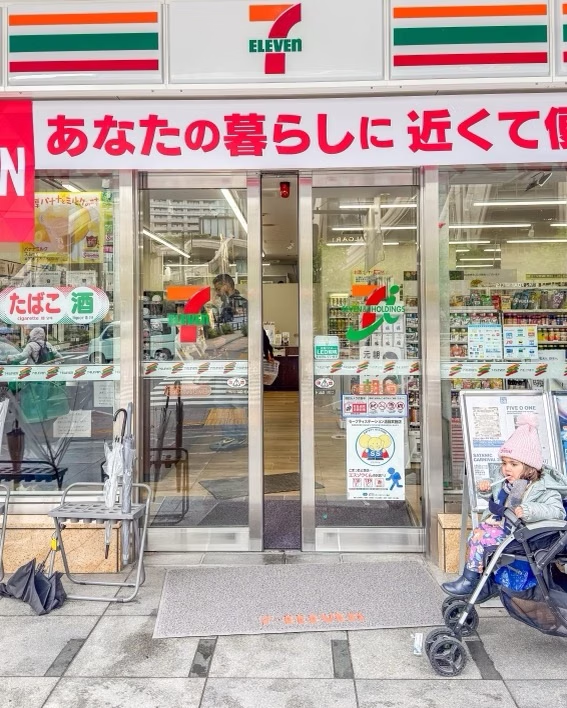
Convenience store food in Japan is genuinely worth trying. For travellers, it is practical, cheap and surprisingly good.
Best convenience store foods in Japan
- Onigiri
- Egg sandwiches
- Fried chicken
- Bento boxes
- Instant ramen
- Pudding
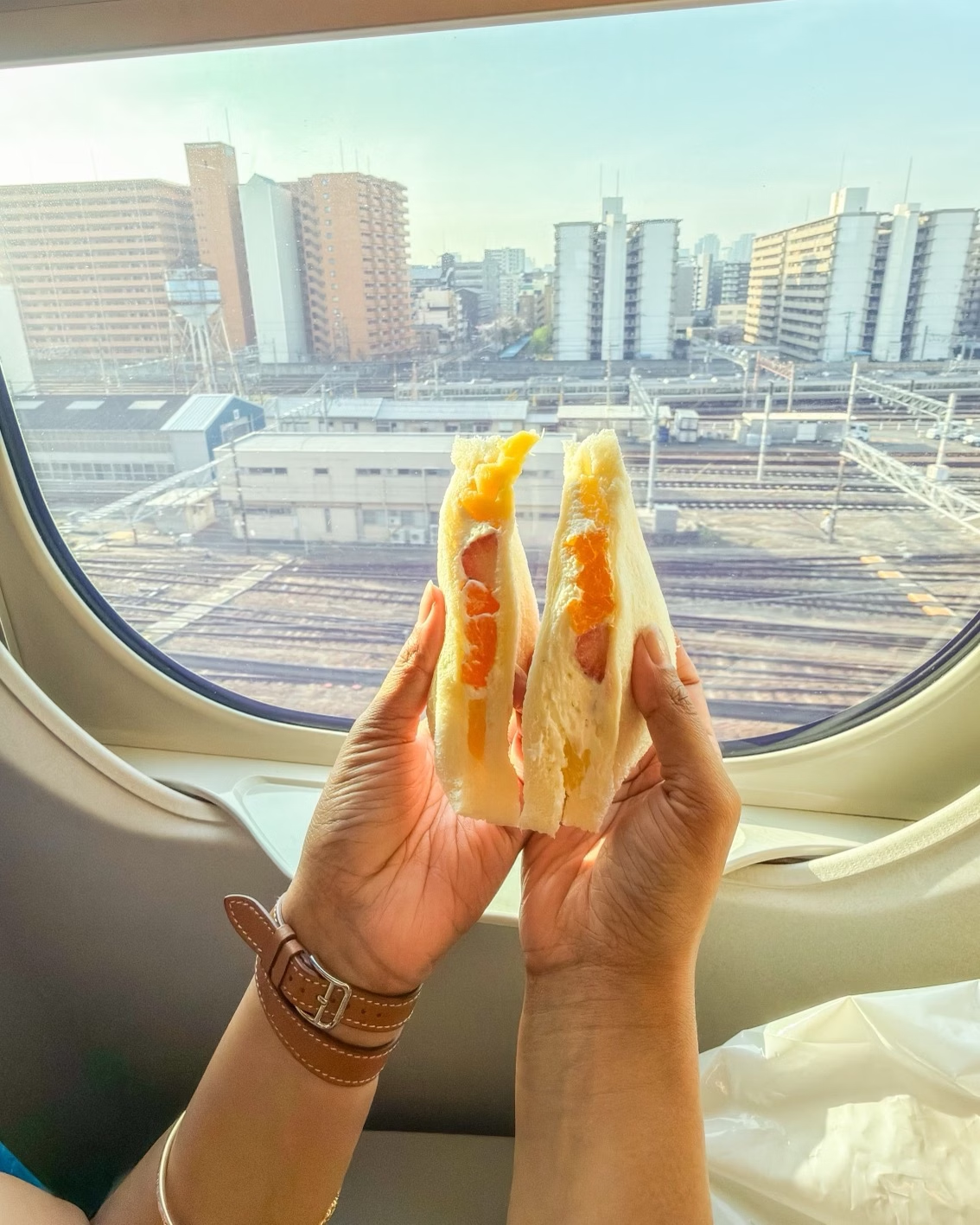
- Fruit sandwiches
- Dorayaki
- Seasonal desserts
- Iced coffee and bottled tea
Best convenience stores
- 7-Eleven
- Lawson
- FamilyMart
Viral convenience store items
Japanese convenience store egg sandwiches, fried chicken and seasonal desserts often go viral because they are simple, affordable and much better than most visitors expect.
Best Street Food in Japan
Japanese street food is one of the highlights of any trip, especially in Osaka, Tokyo, Kyoto and Fukuoka.
Must-try Japanese street foods
| Street food | What it is | Best place to try |
|---|---|---|
| Takoyaki | Octopus balls | Dotonbori, Osaka |
| Taiyaki | Fish-shaped sweet cake | Asakusa, Tokyo |
| Yakitori | Grilled chicken skewers | Shinjuku, Tokyo |
| Dango | Rice dumplings on skewers | Kyoto, Nara |
| Karaage | Japanese fried chicken | Markets and festivals |
| Okonomiyaki | Savoury pancake | Osaka, Hiroshima |
| Ikayaki | Grilled squid | Osaka markets |
| Korokke | Japanese croquette | Markets and shopping streets |
| Wagyu skewers | Grilled beef skewers | Kyoto, Osaka, Kobe |
| Crepes | Sweet filled crepes | Harajuku, Tokyo |
| Menchi katsu | Fried meat cutlet | Tokyo and Osaka markets |
| Sweet potato snacks | Roasted or candied sweet potato | Autumn/winter markets |
City-Wise Food Specialities in Japan
Osaka: Japan’s Street Food Capital – takoyaki, okonomiyaki and kushikatsu
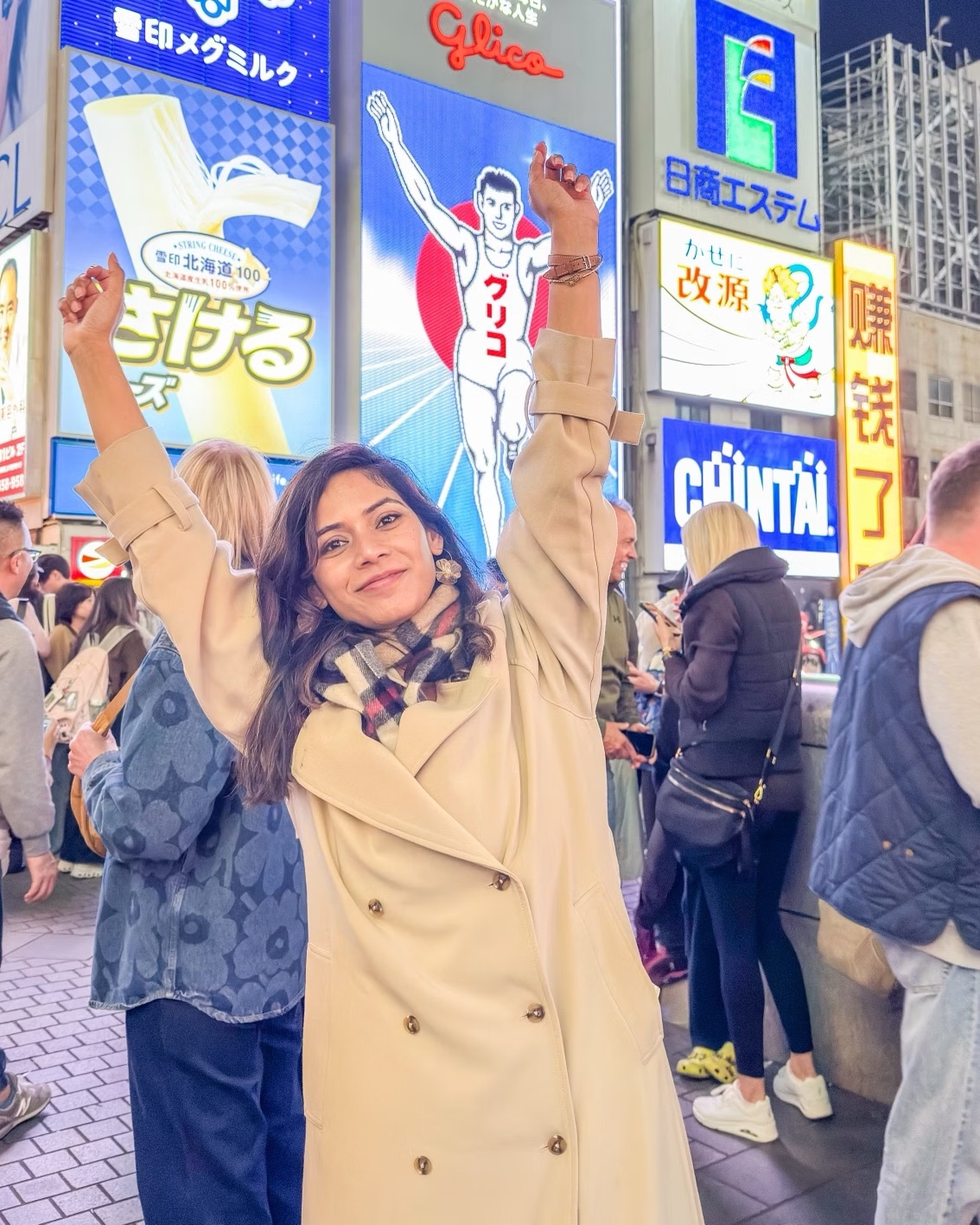
Osaka is often called “Japan’s kitchen”, and for good reason. It is the best city for street food, casual eating and bold flavours.
Osaka has a reputation as Japan’s most openly food-obsessed big city, and it is one of the best places to start if you want iconic, easy-to-try dishes. The headline foods are takoyaki (octopus batter balls), okonomiyaki (savory griddled pancake), and kushikatsu (deep-fried skewers).
These are filling, affordable, and widely available, but the best versions are still tied to specific neighbourhoods. Dotonbori is the obvious first stop for first-time visitors, especially in the evening when the neon is on and stalls are busiest.
For takoyaki, look around Dotonbori and Namba where shops make them to order; expect a soft, almost molten centre rather than a crisp dough ball. For okonomiyaki, the Minami area and Umeda both have reliable specialist restaurants with counter seating and hotplates. Kushikatsu is most associated with Shinsekai, where you will see old-school skewers shops near Tsutenkaku.
If you are building a wider city plan, pair your meals with ideas from 20 Best Things to Do in Tokyo, Japan for the capital and save Osaka evenings for eating.
- Takoyaki: Best around Dotonbori, Namba, and Shinsaibashi. Budget roughly ¥500–¥900 for 6–8 pieces.
- Okonomiyaki: Try specialist restaurants in Namba, Umeda, or Tenma. Expect ¥1,000–¥2,000 depending on toppings.
- Kushikatsu: Head to Shinsekai for the classic atmosphere. Many sets start around ¥1,200–¥2,500.
- Booking tip: Street-food style takoyaki usually needs no booking, but popular okonomiyaki restaurants can have queues at dinner.
- Etiquette note: At kushikatsu shops, the sauce rule is real: do not double-dip the skewer in the communal sauce pot.
Must-eat foods in Osaka
- Takoyaki
- Okonomiyaki
- Kushikatsu
- Ikayaki
- Kitsune udon
- Butaman pork buns
- Japanese cheesecake
Best food areas in Osaka
- Dotonbori for classic street food
- Kuromon Ichiba Market for seafood and snacks
- Shinsekai for kushikatsu
- Namba for ramen, takoyaki and izakaya
- Umeda for restaurants and underground food streets
Tokyo: sushi, Ramen, Monjayaki, Tsukemen and viral Cafes
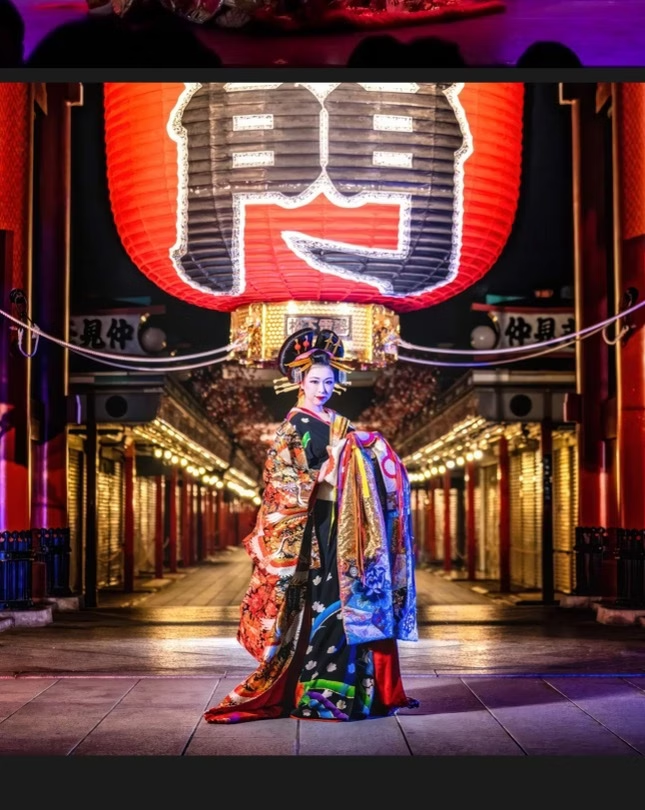
Tokyo has more range than any other food city in Japan, so instead of trying to “do Tokyo food” in one category, focus on a few dishes that are especially strong here. Sushi is the obvious one, but you do not need an impossible reservation to eat well.
Toyosu Market and the wider Ginza, Nihonbashi, and Ueno areas have excellent sushi at different price points. Conveyor-belt chains are fine for a quick meal, but a mid-range lunch set at a neighborhood sushi restaurant often gives the best value.
Two Tokyo dishes that visitors often miss are Monjayaki and Tsukemen. Monjayaki, a griddled batter dish related to Okonomiyaki, is strongly associated with Tsukishima, where Monja Street is lined with specialist restaurants. Tsukemen, where noodles are dipped into concentrated broth, is excellent around Ikebukuro, Shinjuku, and Kanda.
Tokyo is also where many viral desserts take off first: fluffy pancakes in Harajuku and Omotesando, fruit sandos from department store food halls, and premium matcha sweets in Asakusa and Ginza. For more city-specific dining ideas, see 17 Best Restaurants in Tokyo Japan: Must-Visit Food Spots.
- Sushi: Toyosu, Ginza, Ueno, and local station-area sushi counters. Lunch sets often cost less than dinner.
- Monjayaki: Tsukishima is the classic place to try it. Many restaurants let you cook at the table.
- Tsukemen: Look in Ikebukuro and Shinjuku for specialist ramen shops with ticket machines.
- Fruit sando: Department store depachika food halls, Tokyo Station, and trendy cafés.
- Viral fluffy pancakes: Harajuku and Omotesando are the main zones; go early to avoid long waits.

Must-eat foods in Tokyo
- Sushi
- Shoyu ramen
- Monjayaki
- Tempura
- Yakitori
- Tendon
- Fluffy pancakes
- Fruit sandwiches
- Crepes in Harajuku
Best food areas in Tokyo
- Tsukiji for seafood
- Ginza for sushi, tempura and fine dining
- Shinjuku for ramen, yakitori and izakaya alleys
- Shibuya for cafes, desserts and casual dining
- Asakusa for traditional snacks
- Harajuku for crepes, sweets and viral snacks
- Ueno/Ameyoko for market-style eating
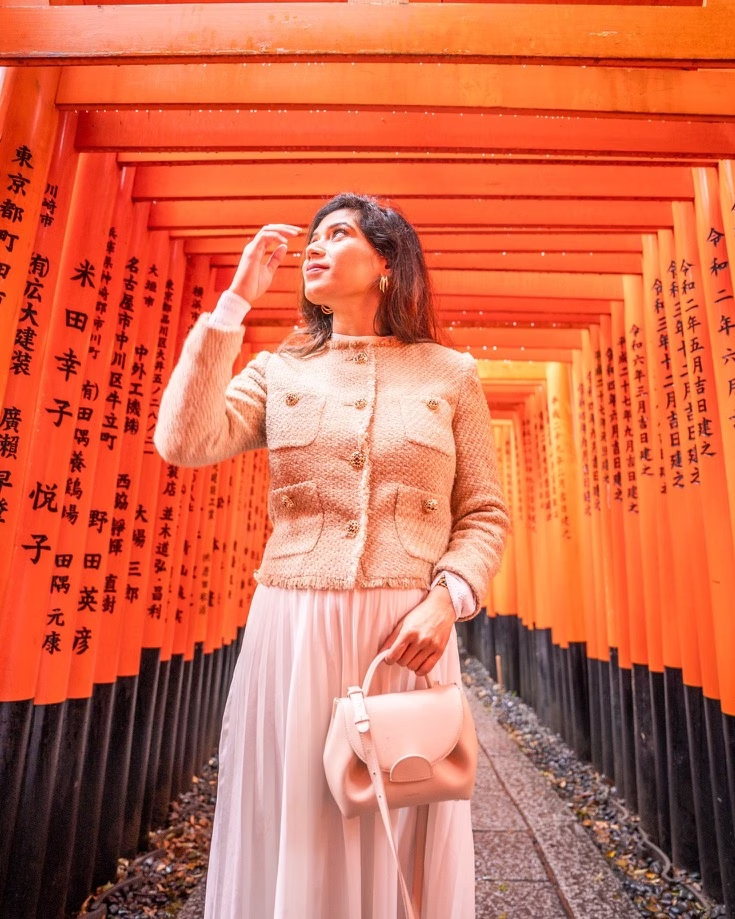
Kyoto and Kansai specialties: Kaiseki, Yudofu, Matcha and Wagashi
Kyoto is the place to slow down and enjoy seasonal, traditional Japanese food. It is also one of the best cities for matcha lovers.
Kyoto is not the place to chase only big, heavy dishes. Its food culture is more refined and seasonal, with a strong emphasis on tofu, tea, sweets, and multi-course dining. If you want one classic Kyoto experience, book a lunch or dinner kaiseki meal in Gion, Higashiyama, or central Kyoto.
Prices vary dramatically, from approachable lunch menus around ¥4,000–¥8,000 to luxury dinners far above that, but even a simpler course meal gives a good introduction to Kyoto’s seasonal cooking.
For something more accessible, try yudofu near Nanzen-ji or Arashiyama, where hot tofu is served with delicate dipping sauces and small side dishes. Kyoto is also the best place for matcha desserts, especially in Uji just south of the city, and for traditional wagashi sweets sold in long-established confectionery shops.
Nishiki Market is useful for sampling several items in one walk, but some of the best sweets are in quieter tea houses and old shopping streets rather than the busiest market lanes.
If your visit overlaps with spring, combine food stops with 17 Best Cherry Blossom Spots in Kyoto Japan and plan tea breaks around temple districts. Kyoto rewards slower eating: a tea house stop, a tofu lunch, and one proper seasonal dinner often feels more memorable than trying to cram in too many famous names.
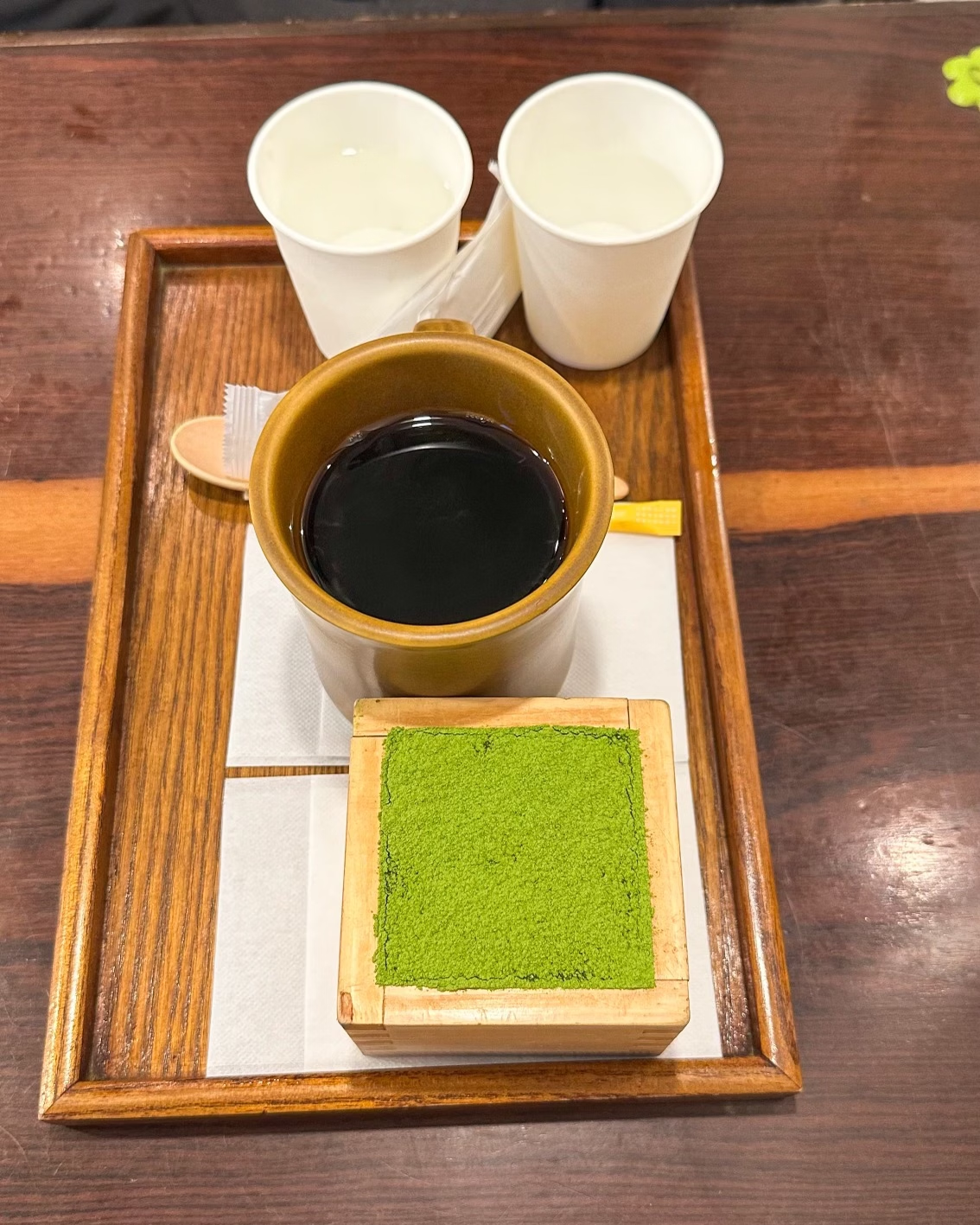
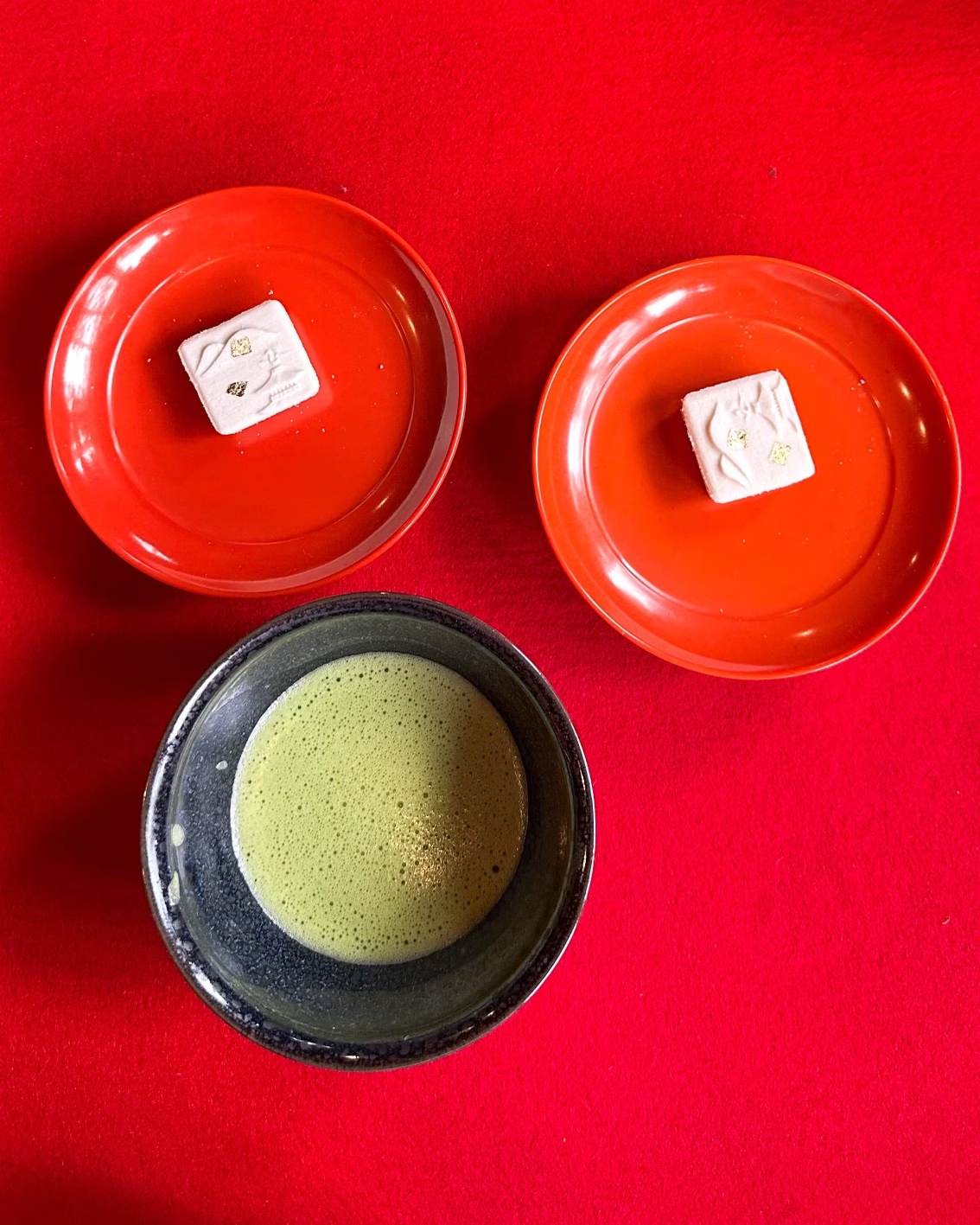
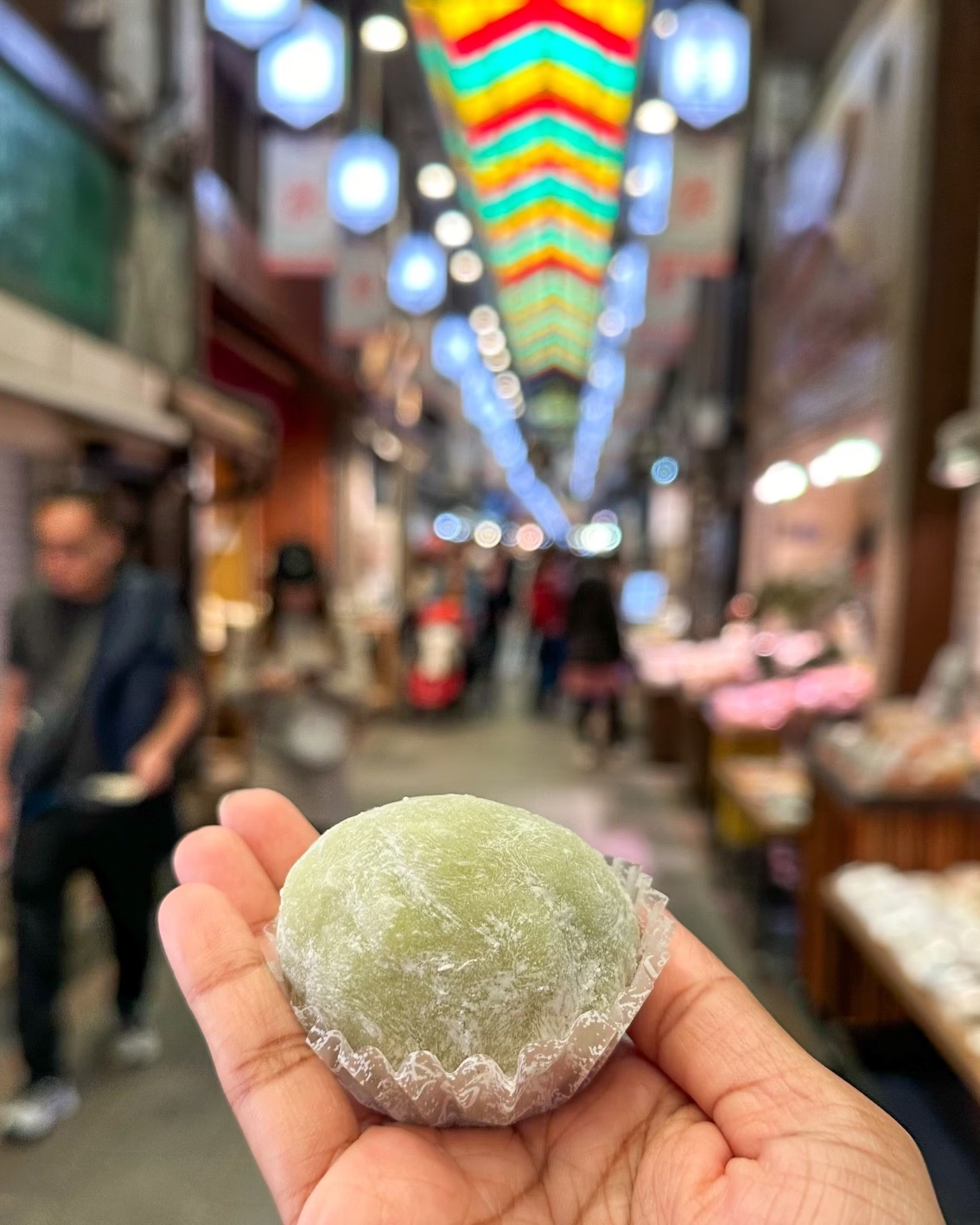
Must-eat foods in Kyoto
- Kaiseki
- Yudofu tofu hotpot
- Yuba tofu skin
- Matcha desserts
- Kyoto pickles
- Soba
- Wagashi traditional sweets
- Nishin soba
Best food areas in Kyoto
- Nishiki Market for snacks and local ingredients
- Gion for kaiseki and traditional dining
- Pontocho for atmospheric restaurants
- Arashiyama for tofu and sweets
- Uji for matcha
Hokkaido and northern Japan: seafood, miso ramen and dairy treats
Hokkaido is one of Japan’s strongest food regions and is especially good for travellers who love seafood. In Sapporo, miso ramen is the signature dish: richer and more robust than many other regional ramen styles, often topped with chashu, bean sprouts, and sometimes butter or corn.
Susukino and Sapporo Station areas are easy places to find good bowls, and winter is an especially satisfying time to eat it. Expect roughly ¥900–¥1,500 for a quality bowl.
The other Hokkaido headline is seafood, especially crab, uni (sea urchin), ikura (salmon roe), and fresh sashimi rice bowls. Sapporo’s Nijo Market and the seafood markets around Hakodate are practical places for visitors to try them. Hokkaido is also famous for dairy, so soft-serve ice cream, cheese tarts, and rich milk sweets are genuinely worth trying here rather than treating them as generic desserts. If you have room, look for jingisukan, the local grilled mutton dish, in Sapporo beer halls and specialist restaurants.
- Sapporo miso ramen: Best in Susukino, around Sapporo Station, and dedicated ramen alleys.
- Kaisendon seafood bowls: Try Nijo Market in Sapporo or Hakodate Morning Market.
- Crab: More expensive, but worth trying in Hokkaido if you love shellfish. Price varies widely by season and species.
- Jingisukan: Grilled lamb and vegetables, usually cooked at the table in Sapporo.
- Dairy sweets: Soft serve, cream puffs, and cheese desserts are especially good in Hokkaido.
Must-eat foods in Sapporo and Hokkaido
- Sapporo miso ramen
- Crab
- Sea urchin
- Scallops
- Soup curry
- Jingisukan grilled lamb
- Hokkaido soft serve
- Melon desserts
Best food areas
- Nijo Market, Sapporo
- Susukino, Sapporo
- Sapporo Ramen Yokocho
- Hakodate Morning Market
- Otaru for sushi and seafood
Regional dishes worth travelling for: Hiroshima, Nagoya, Fukuoka and beyond
Some of Japan’s most memorable dishes are tied so closely to one city that they are worth adjusting your itinerary for. In Hiroshima, the signature is Hiroshima-style okonomiyaki, layered rather than mixed, usually with cabbage, pork, egg, and noodles. Okonomimura is the most convenient introduction, but smaller local shops across the city can be even better. In Nagoya, the local food style is strong, salty, and distinctive: think miso katsu, tebasaki chicken wings, and hitsumabushi, grilled eel served in stages with condiments and broth.
Fukuoka is essential for ramen lovers because it is the home of tonkotsu ramen, the creamy pork-bone style that became globally famous. Try it in Hakata or Tenjin, and do not miss the city’s riverside and street-side yatai stalls for late-night small plates. In Kobe, go for properly sourced Kobe beef if your budget allows, ideally at lunch when prices are lower. In Sendai, try gyutan grilled beef tongue. In Kanazawa, seafood and gold-leaf sweets are popular, but the real strength is fresh market dining around Omicho Market.
| City/Region | Dish to try | Best area | Typical price |
|---|---|---|---|
| Hiroshima | Hiroshima-style okonomiyaki | Okonomimura, central Hiroshima | ¥900–¥1,600 |
| Nagoya | Hitsumabushi, miso katsu, tebasaki | Sakae, Nagoya Station | ¥1,000–¥5,000+ |
| Fukuoka | Tonkotsu ramen, yatai snacks | Hakata, Tenjin, Nakasu | ¥800–¥1,500 |
| Kobe | Kobe beef | Sannomiya, Motomachi | ¥4,000 lunch to luxury dinner |
| Sendai | Gyutan | Sendai Station area | ¥1,500–¥3,500 |
Fukuoka: Tonkotsu Ramen and Yatai Food Stalls
Fukuoka is one of Japan’s best food cities and a must-visit for ramen lovers.
Must-eat foods in Fukuoka
- Hakata tonkotsu ramen
- Mentaiko spicy cod roe
- Motsunabe hotpot
- Mizutaki chicken hotpot
- Gyoza
- Yatai street stall food
Best food areas in Fukuoka
- Nakasu for yatai stalls
- Tenjin for restaurants and nightlife
- Hakata for ramen and station food
- Yanagibashi Market for seafood
Hiroshima: Okonomiyaki and Oysters
Hiroshima is a fantastic food city, especially if you like savoury dishes and seafood.
Must-eat foods in Hiroshima
- Hiroshima-style okonomiyaki
- Oysters
- Anago conger eel
- Momiji manju maple leaf cakes
- Tsukemen dipping noodles
Best food areas
- Okonomimura for okonomiyaki
- Miyajima Island for oysters and street snacks
- Hondori shopping street for casual food
- Hiroshima Station area for convenient dining
Nagoya: Miso Katsu, Hitsumabushi and Tebasaki
Nagoya’s food is bold, rich and slightly different from what you find in Tokyo or Kyoto.
Must-eat foods in Nagoya
- Miso katsu
- Hitsumabushi grilled eel rice
- Tebasaki chicken wings
- Kishimen flat noodles
- Miso nikomi udon
- Ogura toast
Best food areas
- Sakae
- Osu Shopping District
- Nagoya Station
- Atsuta area for eel restaurants
Kobe: Kobe Beef and Chinatown Snacks
Kobe is best known for beef, but it also has a great Chinatown and stylish cafes.
Must-eat foods in Kobe
- Kobe beef
- Beef croquettes
- Steamed buns
- Chinese-Japanese street snacks
- Western-style cakes
Best food areas
- Sannomiya
- Nankinmachi Chinatown
- Kobe Harborland
- Kitano area
Kanazawa: Seafood, Sushi and Gold Leaf Sweets
Kanazawa is a brilliant food stop if you love seafood but want somewhere smaller than Tokyo or Osaka.
Must-eat foods in Kanazawa
- Sushi
- Kaisendon seafood bowls
- Crab
- Nodoguro blackthroat seaperch
- Gold leaf ice cream
- Traditional sweets
Best food areas
- Omicho Market
- Higashi Chaya District
- Kanazawa Station area
Okinawa: Goya Champuru, Taco Rice and Okinawa Soba
Okinawan food is very different from mainland Japanese cuisine. It uses tropical ingredients, pork, tofu and local vegetables.
Must-eat foods in Okinawa
- Okinawa soba
- Goya champuru bitter melon stir-fry
- Taco rice
- Rafute braised pork belly
- Sata andagi doughnuts
- Blue Seal ice cream
- Sea grapes
Best food areas
- Kokusai-dori, Naha
- Makishi Public Market
- American Village, Chatan
- Local izakaya in Naha
11 Best Food Markets to Visit in Japan
1. Tsukiji Outer Market, Tokyo
Tsukiji is one of the best places in Tokyo for travellers who want seafood, sushi, tamagoyaki, grilled scallops, tuna skewers and matcha sweets.
What to eat at Tsukiji
- Sushi breakfast
- Kaisendon seafood bowls
- Grilled scallops
- Tamagoyaki
- Tuna skewers
- Strawberry daifuku
- Matcha sweets
Go early for the best atmosphere.
2. Toyosu Market, Tokyo
Toyosu replaced the inner wholesale market function of Tsukiji and is known for tuna auctions, seafood restaurants and market views.
Best for
- Sushi
- Seafood bowls
- Watching market activity
- Combining with TeamLab Planets or the Toyosu area
3. Ameya-Yokocho, Tokyo
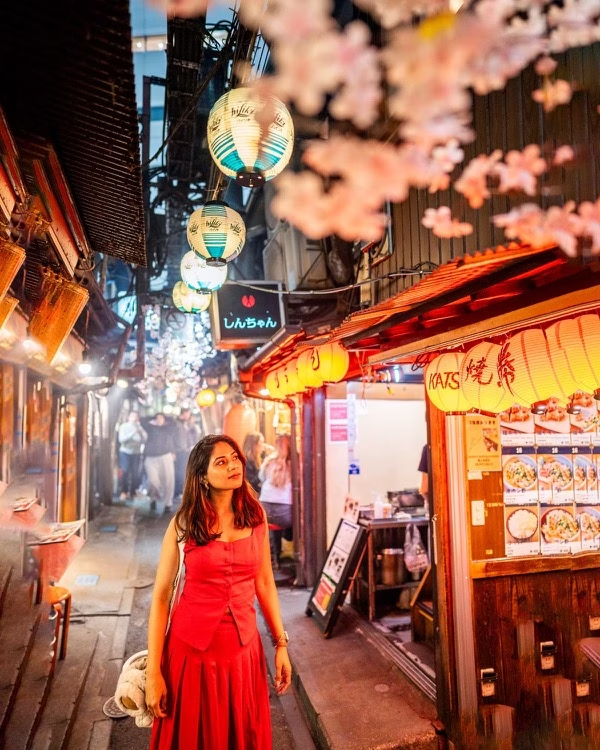
Also called Ameyoko, this busy market street near Ueno is lively, casual and great for snacks.
What to eat
- Takoyaki
- Yakitori
- Seafood snacks
- Croquettes
- Fruit skewers
- Street-style izakaya food
4. Nakamise Shopping Street, Asakusa, Tokyo
This is the famous street leading to Senso-ji Temple.
What to eat
- Ningyo-yaki cakes
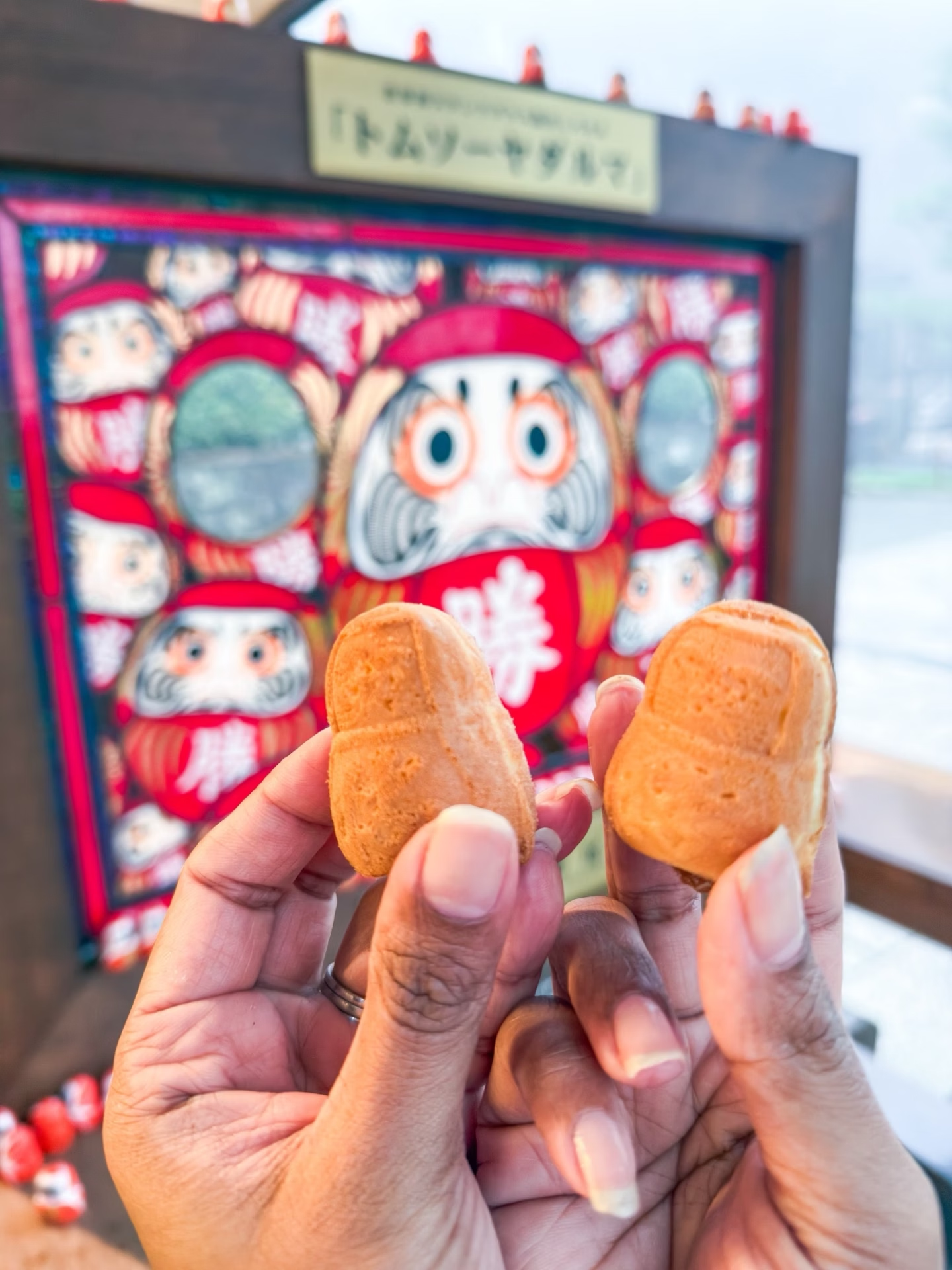
- Senbei rice crackers
- Melon pan nearby
- Dango
- Taiyaki
- Matcha ice cream
5. Nishiki Market, Kyoto
Nishiki Market is known as “Kyoto’s Kitchen” and is one of the best places to try traditional Kyoto snacks.
What to eat
- Matcha sweets
- Yuba, which is tofu skin
- Pickles
- Dango
- Tamagoyaki
- Wagyu skewers
- Mochi
- Soy milk doughnuts
Tip: Some stalls discourage walking while eating. Eat near the stall if signs ask you to.
6. Kuromon Ichiba Market, Osaka
Kuromon Market is a popular food market in Osaka, especially for seafood and street snacks.
What to eat
- Takoyaki
- Grilled scallops
- Sea urchin
- Wagyu skewers
- Fresh fruit
- Sushi
- Crab legs
- Grilled eel
7. Dotonbori, Osaka

Dotonbori is not a traditional market, but it is one of Japan’s best street food areas.
What to eat
- Takoyaki
- Okonomiyaki
- Kushikatsu
- Ramen
- Melon pan ice cream
- Giant crab restaurant displays
- Cheesecake and sweet snacks
Dotonbori is touristy, but it is fun, colourful and perfect for first-time visitors.
8. Omicho Market, Kanazawa
Omicho Market is excellent for fresh seafood and is less overwhelming than some of the big Tokyo and Osaka markets.
What to eat
- Kaisendon seafood bowls
- Crab
- Sushi
- Sea urchin
- Oysters
- Croquettes
9. Nijo Market, Sapporo
Nijo Market is a great place to try Hokkaido seafood.
What to eat
- Crab
- Scallops
- Salmon roe
- Sea urchin
- Seafood bowls
- Grilled seafood
10. Hakodate Morning Market, Hokkaido
Hakodate Morning Market is famous for fresh seafood breakfasts.
What to eat
- Squid
- Crab
- Scallops
- Kaisendon
- Grilled fish
11. Nakasu and Tenjin Yatai, Fukuoka
Fukuoka is famous for yatai, small open-air food stalls that appear in the evening.
What to eat
- Hakata ramen
- Yakitori
- Oden
- Mentaiko dishes
- Gyoza
- Grilled seafood
Tip: Yatai stalls are small, so avoid lingering too long if people are waiting.
Viral Food Trends in Japan Worth Trying
Japan has plenty of viral food trends, especially in Tokyo, Osaka and Kyoto. Some are genuinely delicious, while others are more about the photo. Either way, they can be fun if you have extra time.
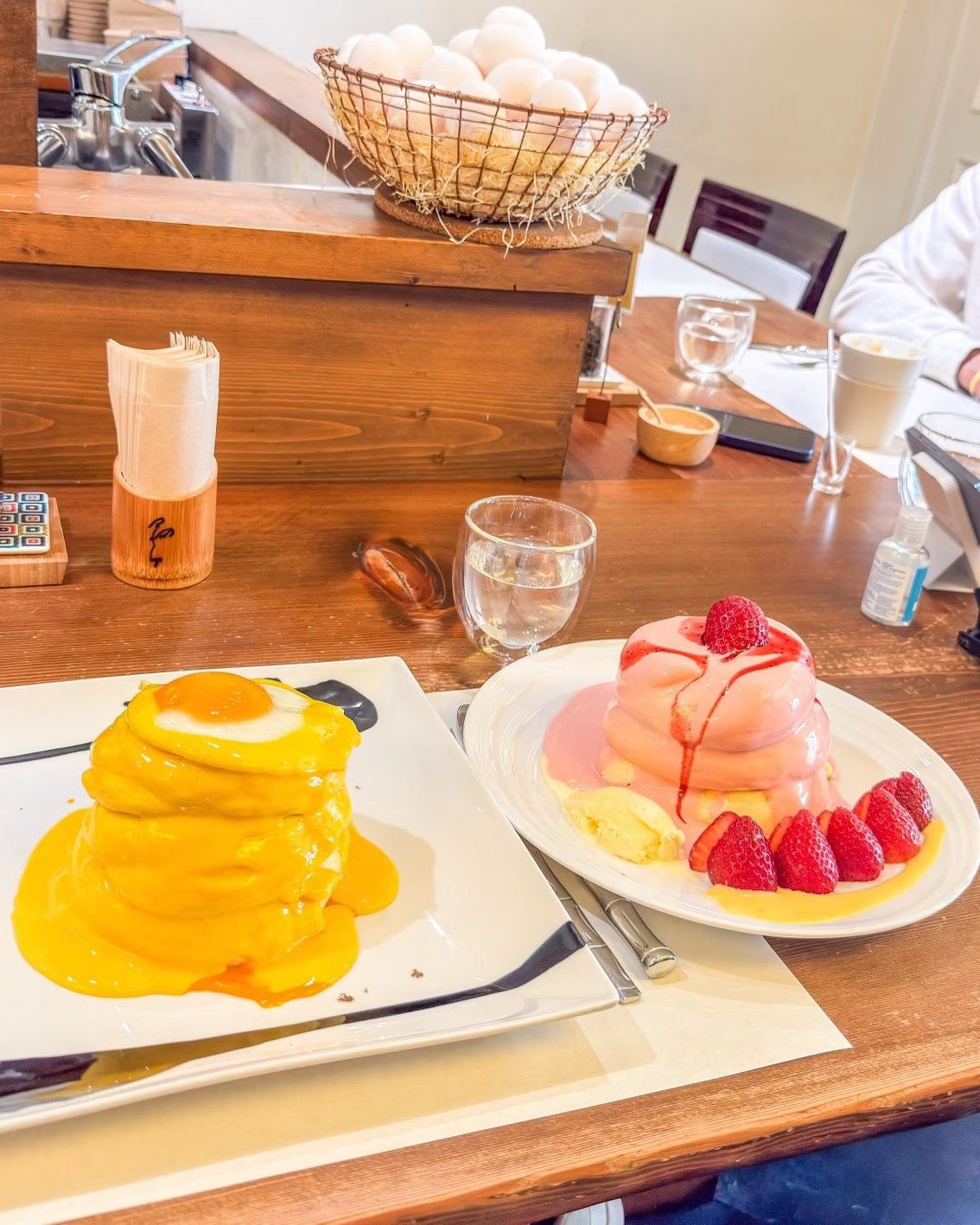
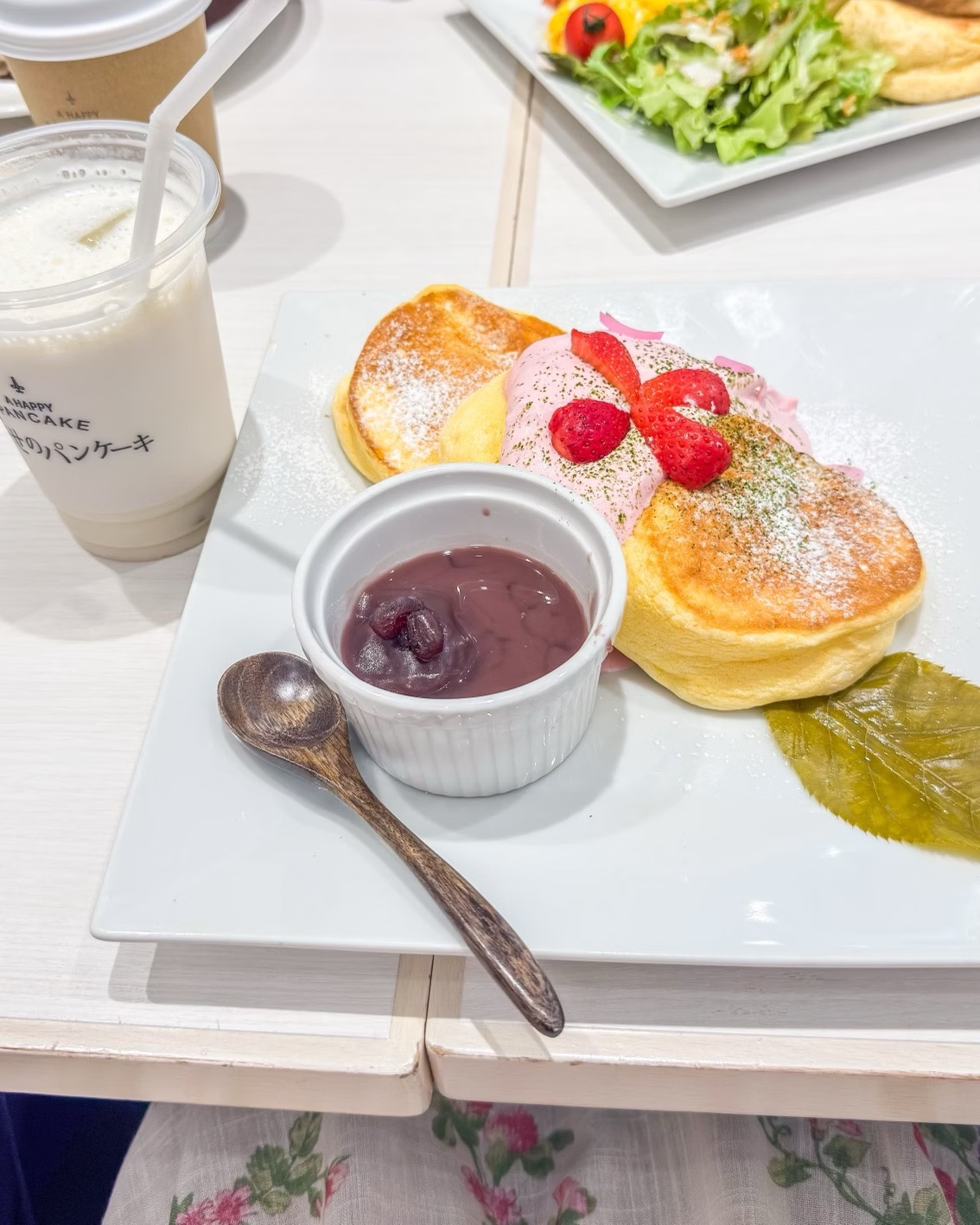
1. Fluffy Japanese Pancakes
These tall, soufflé-style pancakes are soft, jiggly and very popular on social media.
Best places to look:
- Tokyo: Harajuku, Shibuya, Omotesando
- Osaka: Namba and Umeda
- Kyoto: Kawaramachi area
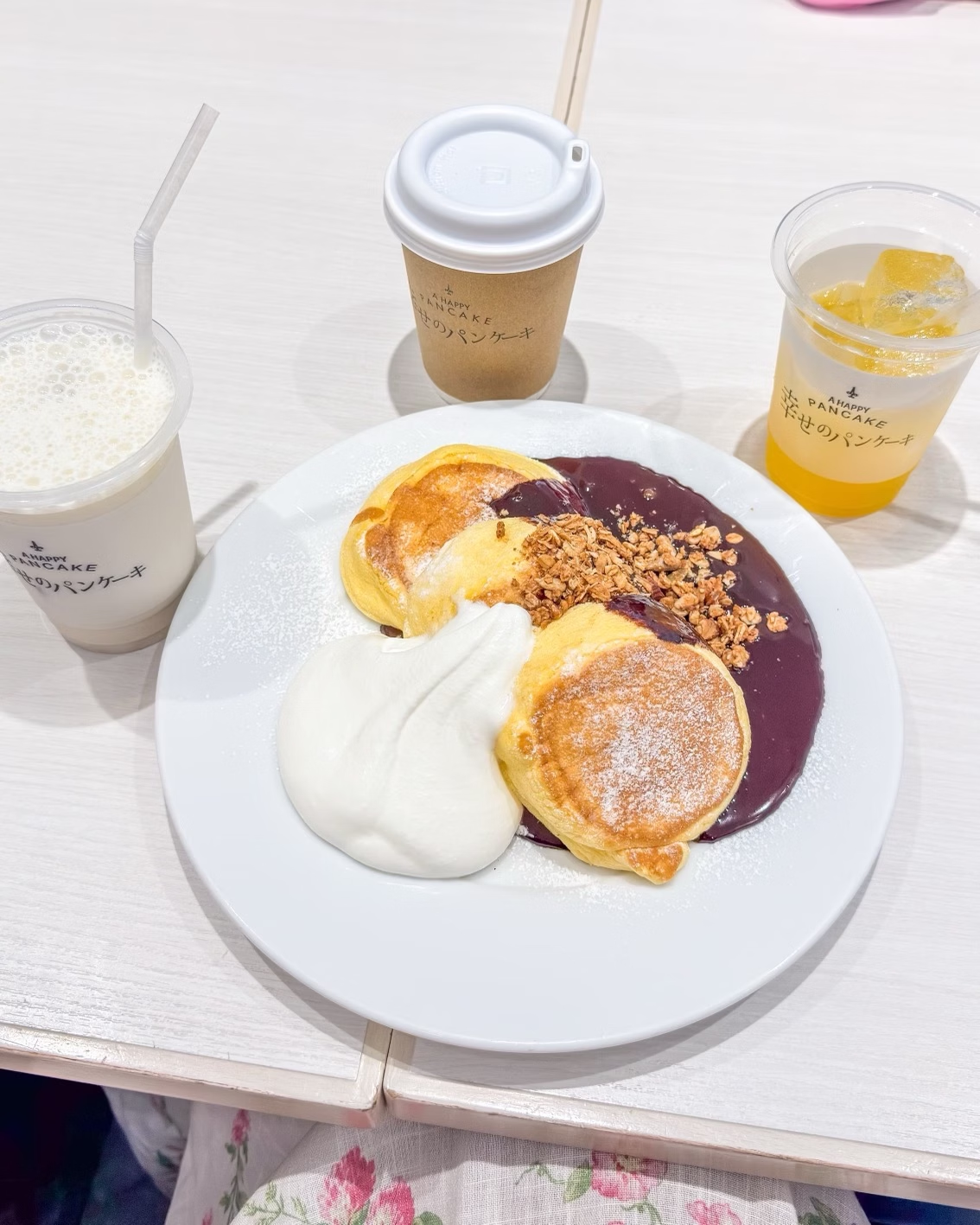
Best place we tried fluffy pancakes were in Tokyo in Benizuru Homemade Pancake ( more on this coming in my blogs) and A Happy Pancake in Osaka. Would absolutely go again to Japan for these.
2. Japanese Convenience Store Egg Sandwiches
The egg sandwich from Japanese convenience stores has become famous with travellers. It is soft, creamy and surprisingly satisfying. I still dream of this sandwich.
Find it at:
- 7-Eleven
- Lawson
- FamilyMart
3. Fruit Sandwiches
Fruit sandwiches are made with soft milk bread, whipped cream and fresh fruit such as strawberries, kiwi, mango or melon.
Best places:
- Convenience stores
- Department store food halls
- Fruit parlours in Tokyo
- Kyoto and Osaka dessert shops
Again available on all the convenience/ Konbini stores. The best I preferred was Strawberry Sando from Family Mart.
4. Matcha Everything
Matcha desserts are always popular, especially in Kyoto and Uji. Look for matcha parfaits, matcha tiramisu, matcha lattes and matcha soft serve.
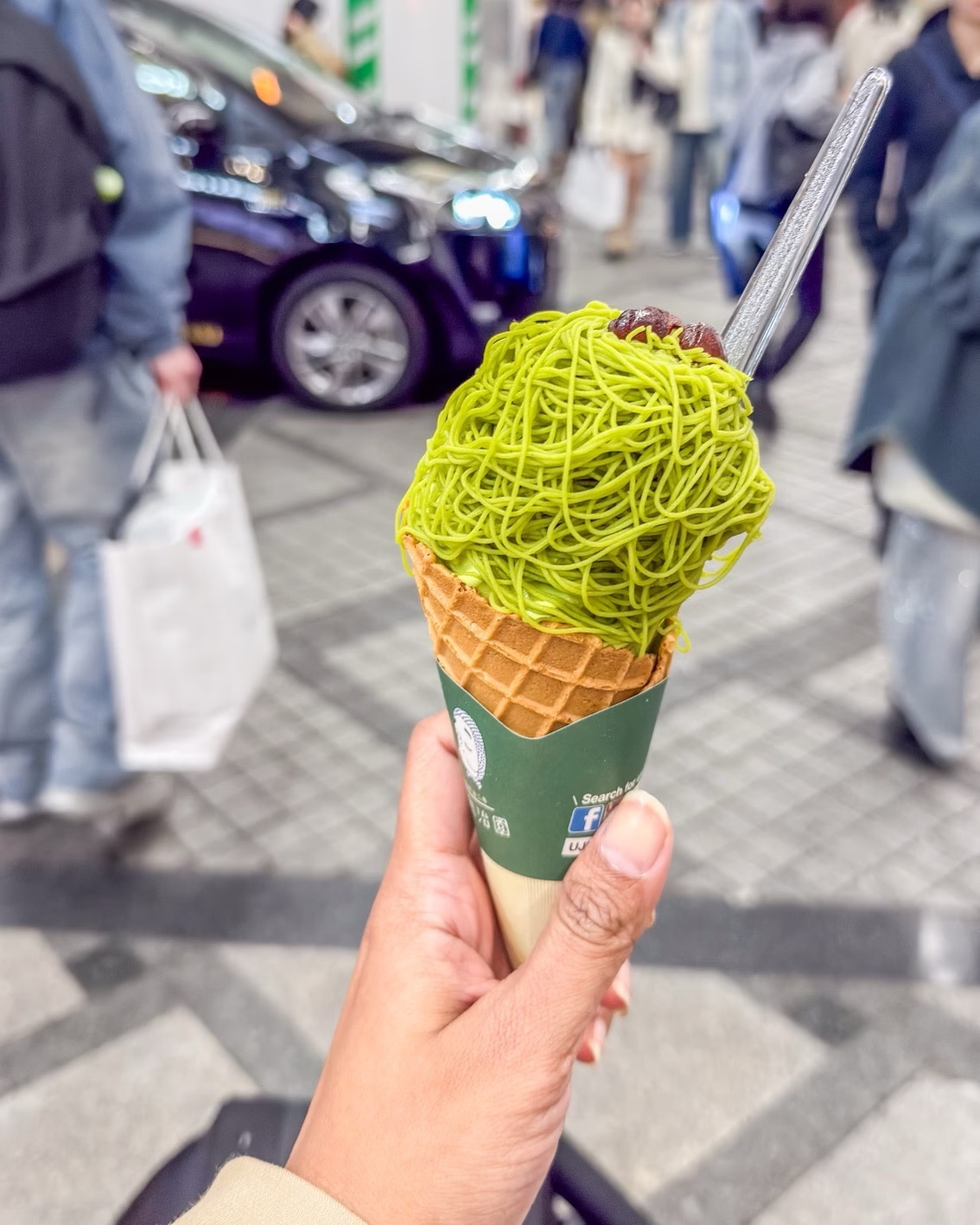
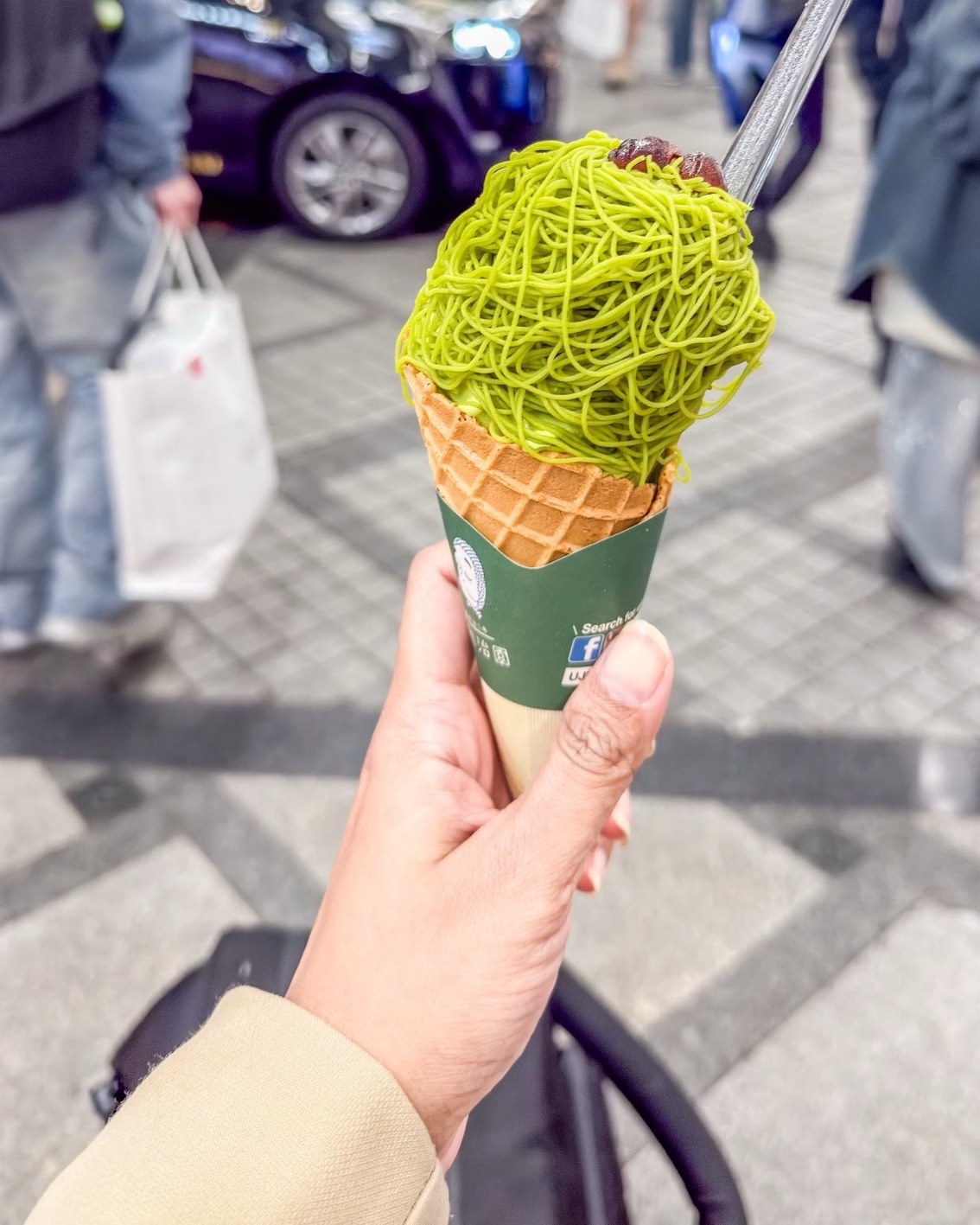
Also try the Matcha stringy ice-cream in Dotonburi, Osaka.
5. Cheese Coin Snacks
Cheese coin snacks, often seen in busy tourist areas, are round, coin-shaped cakes filled with stretchy cheese. They became popular because of the dramatic cheese pull.
Where to find them:
- Harajuku, Tokyo
- Dotonbori, Osaka
- Tourist snack streets
6. Warabimochi Drinks
Warabimochi drinks combine soft jelly-like mochi with milk tea, matcha or brown sugar flavours. They are popular with travellers who enjoy bubble tea-style drinks.
7. Wagyu Skewers
Wagyu skewers at markets are a popular way to try Japanese beef without paying for a full steak dinner.
Look for them at:
- Nishiki Market, Kyoto
- Kuromon Market, Osaka
- Takayama old town
- Kobe food streets
8. Character Cafes and Themed Cafes
Tokyo and Osaka often have pop-up character cafes, anime cafes and themed dining experiences. These are usually more about the experience than the food, but they are fun for fans.
Tip: book in advance where possible, as popular cafes can sell out.
Best Japanese Desserts and Sweet Snacks
If you have a sweet tooth, Japan is a dream.
Must-try Japanese sweets
- Matcha soft serve
- Taiyaki
- Mochi
- Daifuku
- Dango
- Dorayaki
- Japanese cheesecake
- Purin pudding
- Melon pan
- Fruit sando
- Hokkaido soft serve
- Momiji manju in Hiroshima
- Tokyo banana souvenir cakes
Best places for desserts
- Kyoto for matcha and traditional sweets
- Tokyo for viral cafes and fruit sandwiches
- Hokkaido for dairy desserts
- Hiroshima/Miyajima for momiji manju
- Osaka for cheesecake and street sweets
Tips for Eating in Japan as a Traveller
1. Carry cash: Many places accept cards now, but small restaurants, ramen shops and market stalls may still prefer cash.
2.Use ticket machines: At many ramen and casual restaurants, you order from a machine near the entrance, give the ticket to staff, then sit down.
3. Don’t eat while walking unless it is clearly allowed: In some markets and temple areas, walking while eating is discouraged. Eat near the stall or in designated spaces.
4. Be ready to queue: Popular restaurants often have lines. In Japan, queues are usually organised and move steadily.
5. Check opening times: Many restaurants close between lunch and dinner. Also, small places may close when they sell out.
6. Try department store food halls: Department store basements, known as depachika, are amazing for bento, sushi, sweets, salads and gifts. Good places to look include major department stores near Tokyo Station, Shinjuku, Shibuya, Kyoto Station, Osaka/Umeda and Nagoya Station.
7. Learn a few useful food words
- Oishii — delicious
- Osusume — recommendation
- Mizu — water
- Gohan — rice or meal
- Niku — meat
- Sakana — fish
- Yasai — vegetables
- Ebi — shrimp
- Tamago — egg
Suggested Japan Food Itinerary for First-Time Visitors
Tokyo
Eat sushi at Tsukiji, ramen in Shinjuku, yakitori in Omoide Yokocho, snacks in Asakusa and desserts in Harajuku or Omotesando.
Kyoto
Visit Nishiki Market, try kaiseki or yudofu, eat matcha desserts in Gion or Uji, and enjoy traditional sweets near temples.
Osaka
Spend an evening in Dotonbori eating takoyaki, okonomiyaki and kushikatsu. Visit Kuromon Market for seafood and street snacks.
Hiroshima
Try Hiroshima-style okonomiyaki at Okonomimura and oysters on Miyajima Island.
Fukuoka
Eat Hakata ramen and spend an evening at the Nakasu or Tenjin yatai stalls.
Hokkaido
Try miso ramen in Sapporo, seafood at Nijo Market, soup curry and Hokkaido soft serve.
Read up on dining manners before market hopping with 25 Do’s and Don’ts in Japan: Ultimate list of Japanese Etiquettes.
What to know before you go: how to find the best food in Japan
The easiest way to eat well in Japan is to match the dish to the place. Rather than hunting one famous chain across the country, try local specialties in the city that made them popular. Lunch is often the smartest time to splurge because many restaurants offer set menus at much lower prices than dinner. Department store basements, station buildings, and market halls are also useful when you want quality without a long reservation process.
Queues are common at popular shops, but long lines do not always mean the best food; sometimes they simply mean a place went viral. If you are travelling between cities for food, compare whether a national pass or regional pass suits your route using Japan Rail Pass Guide (2026): Is the JR Pass Still Worth It?. In major cities, cashless payment is increasingly common, but smaller ramen shops, market stalls, and old-school eateries may still prefer cash or ticket machines.
- Go early for markets: Seafood markets are best in the morning; popular dessert cafés often sell out by afternoon.
- Use lunch for premium meals: Sushi, wagyu, and kaiseki-style lunches can be much better value than dinner.
- Expect regional variation: Ramen, soba broth, and even curry styles change noticeably by area.
- Check closing days: Many independent restaurants close one or two weekdays, especially outside central tourist zones.
- Be flexible: A tiny local shop with a short menu can outperform a heavily promoted “must-visit” place.
- Respect local rules: Some markets discourage eating while walking, and many small restaurants have limited space for luggage.
Final Thoughts: What to Eat in Japan
The best way to enjoy food in Japan is to mix famous dishes with regional specialities. Eat sushi in Tokyo, takoyaki in Osaka, kaiseki in Kyoto, ramen in Fukuoka, seafood in Hokkaido and okonomiyaki in Hiroshima.
Some of the best meals will not be expensive or planned weeks in advance. They might be a hot bowl of ramen from a ticket-machine shop, a fresh onigiri from 7-Eleven before catching a train, grilled scallops at a market, or takoyaki eaten beside the bright lights of Dotonbori.
If you are visiting Japan for the first time, come hungry. The country is full of unforgettable food experiences, from street snacks and market breakfasts to regional dishes you will still be thinking about long after the trip ends.
Related guides
- Japan Travel Guide for First Timers: Everything You Need to Know
- 17 Best Restaurants in Tokyo Japan: Must-Visit Food Spots
- Japan Rail Pass Guide (2026): Is the JR Pass Still Worth It?
FAQ About Must Eat Food in Japan
What is the number one food to try in Japan?
Sushi and ramen are the two most famous foods to try in Japan. If it is your first trip, make sure you also try tempura, okonomiyaki, takoyaki, yakitori, udon, soba, Japanese curry and matcha desserts.
What food is Japan most famous for?
Japan is most famous for sushi, ramen, sashimi, tempura, udon, soba, yakitori, tonkatsu, kaiseki, wagyu beef and matcha sweets.
What is the best street food in Japan?
The best street foods in Japan include takoyaki, okonomiyaki, yakitori, taiyaki, dango, karaage, kushikatsu, melon pan, wagyu skewers and sweet potato snacks.
Which city in Japan has the best food?
Osaka is often considered the best city for street food, while Tokyo is best for variety and fine dining. Kyoto is best for traditional cuisine, Fukuoka for ramen and yatai stalls, and Hokkaido for seafood.
Where should I eat street food in Tokyo?
The best areas for street food and casual snacks in Tokyo include Tsukiji Outer Market, Ameya-Yokocho in Ueno, Nakamise Street in Asakusa, Harajuku’s Takeshita Street and Omoide Yokocho in Shinjuku.
Where should I eat street food in Osaka?
The best street food areas in Osaka are Dotonbori, Kuromon Ichiba Market, Shinsekai, Namba and Umeda’s underground food streets.
Is food expensive in Japan?
Food in Japan can be very affordable. Ramen, curry, udon, onigiri, convenience store meals and gyudon rice bowls are budget-friendly. High-end sushi, kaiseki and wagyu can be expensive, but there are options for every budget.
What should I eat in Kyoto?
In Kyoto, try kaiseki, yudofu tofu hotpot, yuba tofu skin, matcha desserts, soba, Kyoto pickles, wagashi sweets and food from Nishiki Market.
What should I eat in Osaka?
In Osaka, try takoyaki, okonomiyaki, kushikatsu, ikayaki, kitsune udon, ramen, butaman pork buns and Japanese cheesecake.
What should I eat in Fukuoka?
In Fukuoka, try Hakata tonkotsu ramen, mentaiko, motsunabe, mizutaki, gyoza and food from the yatai stalls in Nakasu and Tenjin.
Topics that may interest you


Leave a Reply