
Darjeeling Express is not just another Indian restaurant in London. It is one of those places people talk about before they have even booked a table, partly because of chef-owner Asma Khan, partly because of its all-women kitchen, and partly because the food feels more personal than polished-for-Instagram.
If you are searching for a Darjeeling Express London review, the short answer is this: it is a warm, characterful restaurant serving regional Indian food with a strong home-cooking influence. The menu has changed quite a bit since the early days, moving from a more compact, supper-club-style from One Indian region offering into a broader, more confident restaurant menu built around sharing, thalis, seasonal dishes and signature favourites.
Below is a full review of the food, atmosphere, service, menu changes and whether Darjeeling Express is still worth visiting today.

Quick Review: Is Darjeeling Express London Worth Visiting?
Yes, Darjeeling Express is worth visiting if you enjoy Indian food with depth, story and regional character. It is not the place for a generic curry-house experience. You come here for dishes inspired by family recipes, Bengali and Mughlai influences, slow-cooked flavours, and food that feels cooked with memory rather than trend.
The restaurant is especially good for:
- Fans of regional Indian food
- Group meals and sharing plates
- Visitors looking for a London restaurant with a story
- Diners who want something warmer and more personal than fine dining
- Anyone interested in Asma Khan’s cooking and the Darjeeling Express story
It may not be ideal if you want a very cheap casual meal, a quiet romantic setting, or a predictable tikka masala-style menu.
The Story Behind Darjeeling Express
Darjeeling Express began life long before it became a famous London restaurant. Asma Khan started by cooking from home and hosting supper clubs, building a reputation through food that was generous, layered and deeply personal.
The restaurant later opened in London and quickly gained attention, not only for its cooking but also for its kitchen team. Darjeeling Express is widely known for having an all-women kitchen, many of whom were trained outside the traditional professional chef route. That matters because the food has always had a different energy from many restaurant kitchens. It feels closer to the way food is cooked in homes, for family, for guests, and for people you want to feed well.
Over the years, Darjeeling Express has moved, grown, adapted and refined its menu. The heart of the restaurant is still the same, but the way the food is presented today is more structured than it was in the beginning.
What Has Changed on the Menu Since Darjeeling Express Opened?
One of the most interesting things about Darjeeling Express is how the menu has evolved. When the restaurant first became known, the food had a strong supper-club feeling. The menu was tighter, more intimate and heavily focused on dishes that reflected Asma Khan’s family background and regional influences.
Today, the restaurant feels more established. The menu has become more polished without losing its home-cooked identity. But is it for everyone?
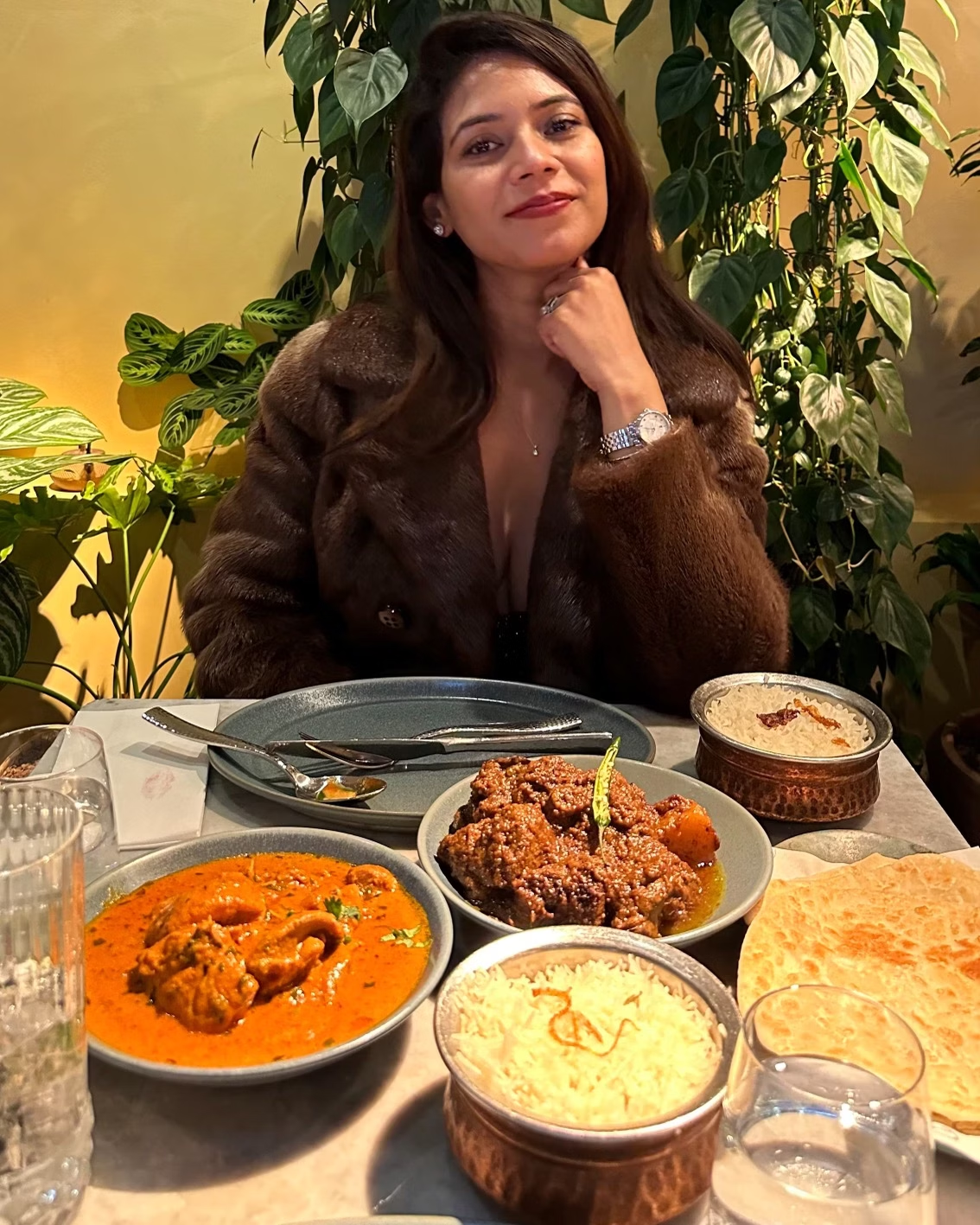
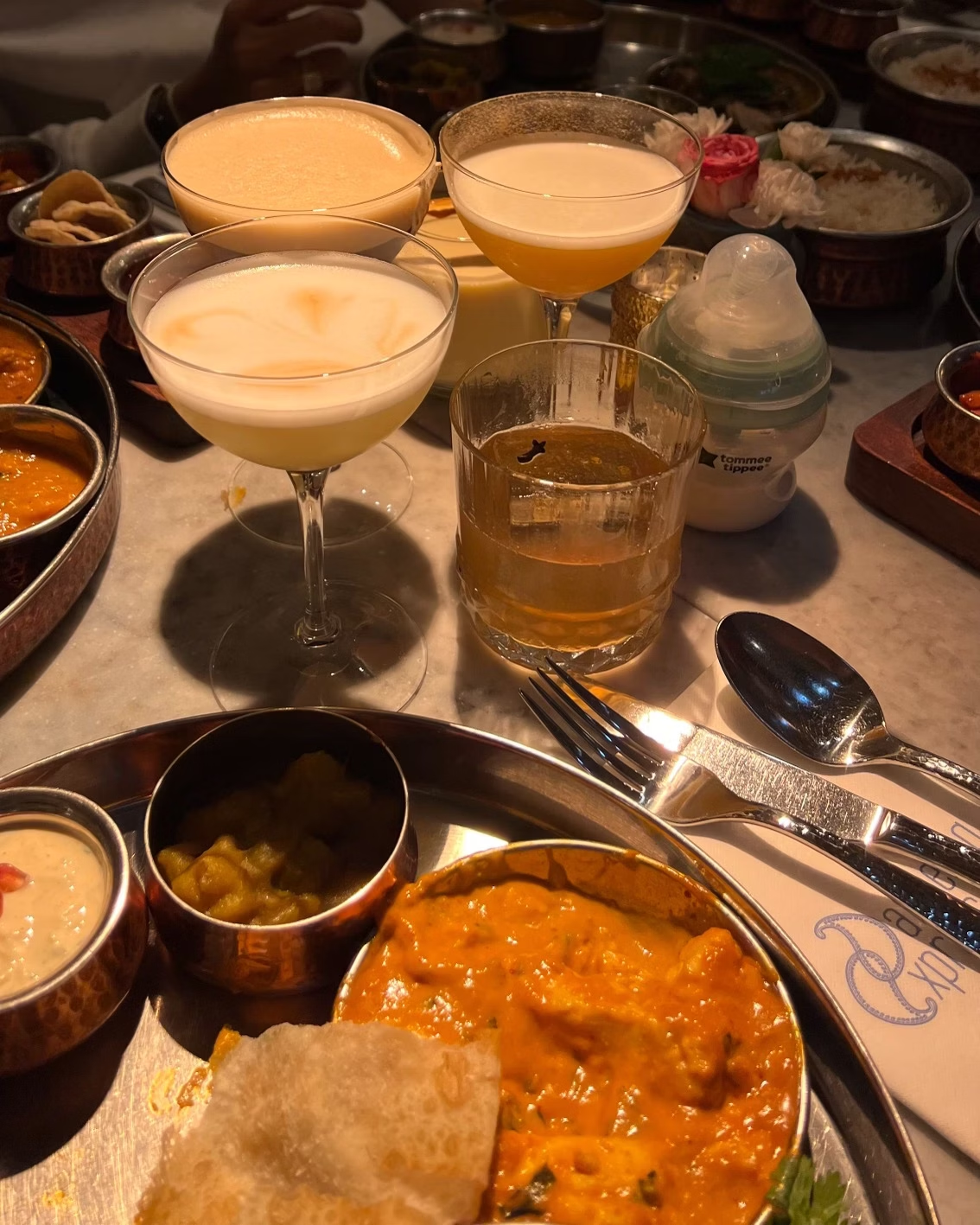

1. From Supper-Club Simplicity to a Fuller Restaurant Menu
In the early days, Darjeeling Express felt very much like an extension of a supper club. The food was about comfort, nostalgia and feeding people generously. There was less of the formal restaurant structure that diners might expect from a central London venue.
Now, the menu is more organised. You are more likely to see a clearer division between snacks, mains, rice dishes, vegetarian options, sides and set-style meals. This makes it easier for first-time visitors to understand how to order, especially if they are not already familiar with regional Indian dishes.
The change is a positive one. The restaurant still has personality, but the menu now works better for a wider audience. But the regional fans are disappointed.
2. More Emphasis on Sharing
Darjeeling Express has always been best enjoyed as a sharing experience, but this has become even more central over time. Rather than ordering one dish each and guarding your plate, the best way to eat here is to fill the table.
That means a mix of:
- Small plates or snacks
- Richer meat or seafood dishes
- Vegetarian curries
- Rice or biryani
- Breads and sides
- Chutneys or pickles where available
The menu now encourages that style more clearly. It feels less like a standard starter-main-dessert format and more like a meal built around generosity.
3. Signature Dishes Have Become More Important
As Darjeeling Express became more famous, certain dishes naturally became associated with the restaurant. The menu today gives more space to those recognisable favourites and dishes that regulars come back for.
Depending on the current menu, diners often look out for dishes such as biryani, Bengali-inspired curries, slow-cooked meats, spiced potatoes, rich gravies and seasonal specials. The exact dishes can change, so it is always worth checking the latest menu before booking.
The main shift is that Darjeeling Express now understands what people come for. The menu has become better at highlighting the dishes that define the restaurant.
4. The Menu Feels More Regional and Confident
Many Indian restaurants in London try to cover too much: North Indian curries, South Indian dosas, Indo-Chinese dishes, street food, grills and everything in between. Darjeeling Express does not feel like that.
Over time, the restaurant has leaned more confidently into its own identity. The food reflects Bengali, Mughlai and wider Indian influences, but it does not try to be a general “all of India” menu.
That confidence is one of the biggest changes. The menu today feels less like it needs to explain itself and more like it knows exactly what it is.
5. Better Options for Vegetarians
Vegetarian food has always been a major part of Indian cooking, but some restaurant menus still treat it like an afterthought. Darjeeling Express is stronger than that.
Compared with the earlier days, the current menu usually feels more balanced for vegetarian diners. You can build a satisfying meal without feeling as though you are simply choosing the meat-free backup option.
Vegetarian dishes at Darjeeling Express tend to focus on spice, texture and comfort rather than imitation meat or fashionable plant-based shortcuts. That is a good thing. The best vegetarian Indian food does not need to pretend to be anything else.
6. A More London-Friendly Dining Format
As Darjeeling Express grew in popularity, the restaurant had to work for different types of diners: tourists, regulars, food writers, groups, solo diners, office lunches and special occasions.
The menu has adapted to that. It is now easier to understand for someone walking in for the first time, but still interesting enough for people who know Indian food well.
That balance is difficult to get right. Darjeeling Express is not always the cheapest Indian meal in London, but it offers something more distinctive than many mid-range restaurants.
What Is the Food Like at Darjeeling Express?
The food at Darjeeling Express is rich, fragrant and often comforting rather than flashy. This is not a restaurant built around foams, tiny portions or over-designed plates. The cooking is more about flavour, warmth and balance.
Expect dishes that may include:
- Slow-cooked spices
- Fragrant rice
- Deeply flavoured sauces
- Gentle heat rather than aggressive chilli
- Sweet, sour and savoury contrasts
- Homestyle textures
- Regional Indian influences
The flavours are layered but rarely confusing. A good dish here does not shout at you immediately. It builds as you eat.
Best Dishes to Try at Darjeeling Express
The menu changes, so you should always check the current dishes before you go. However, these are the types of dishes worth looking for.
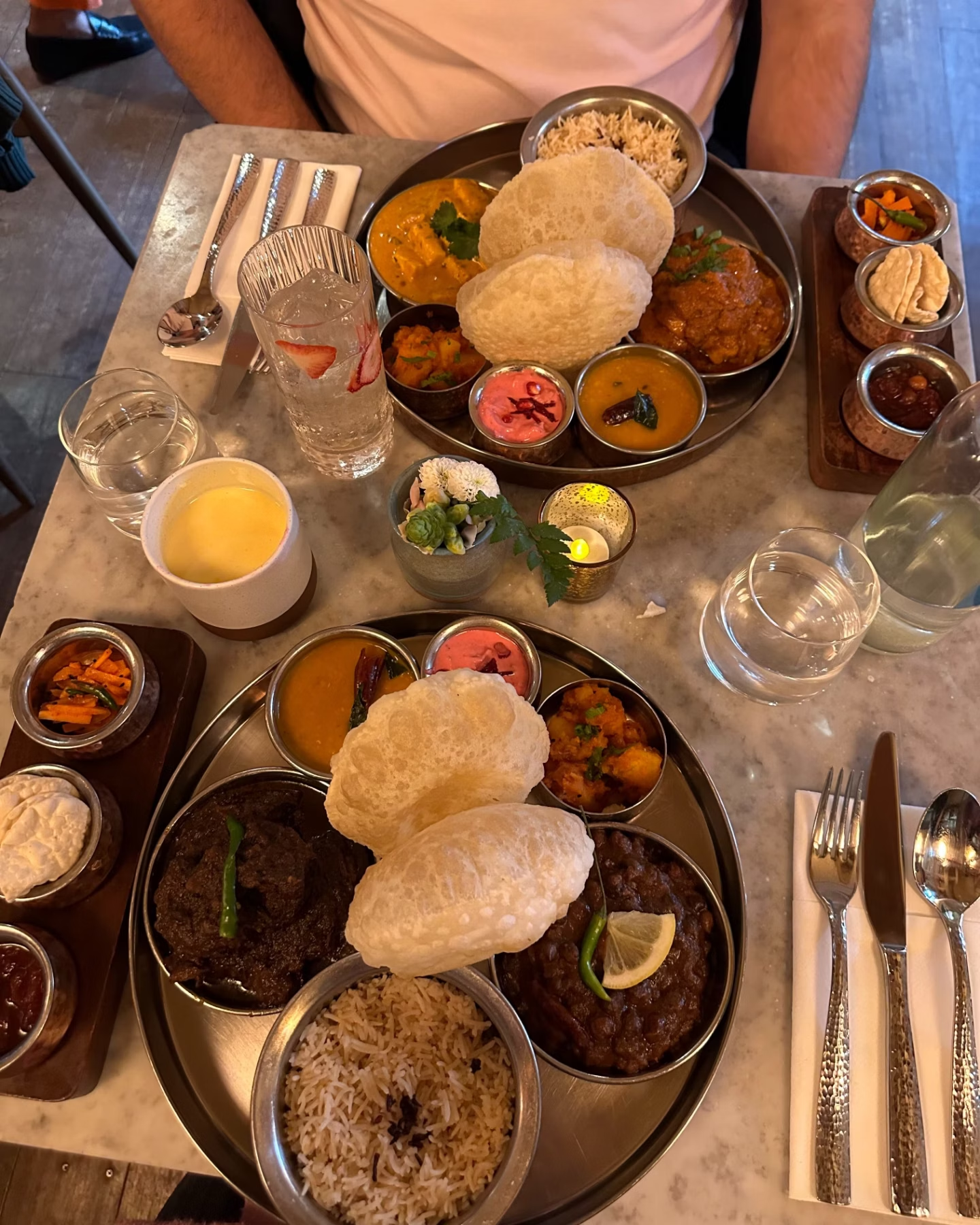
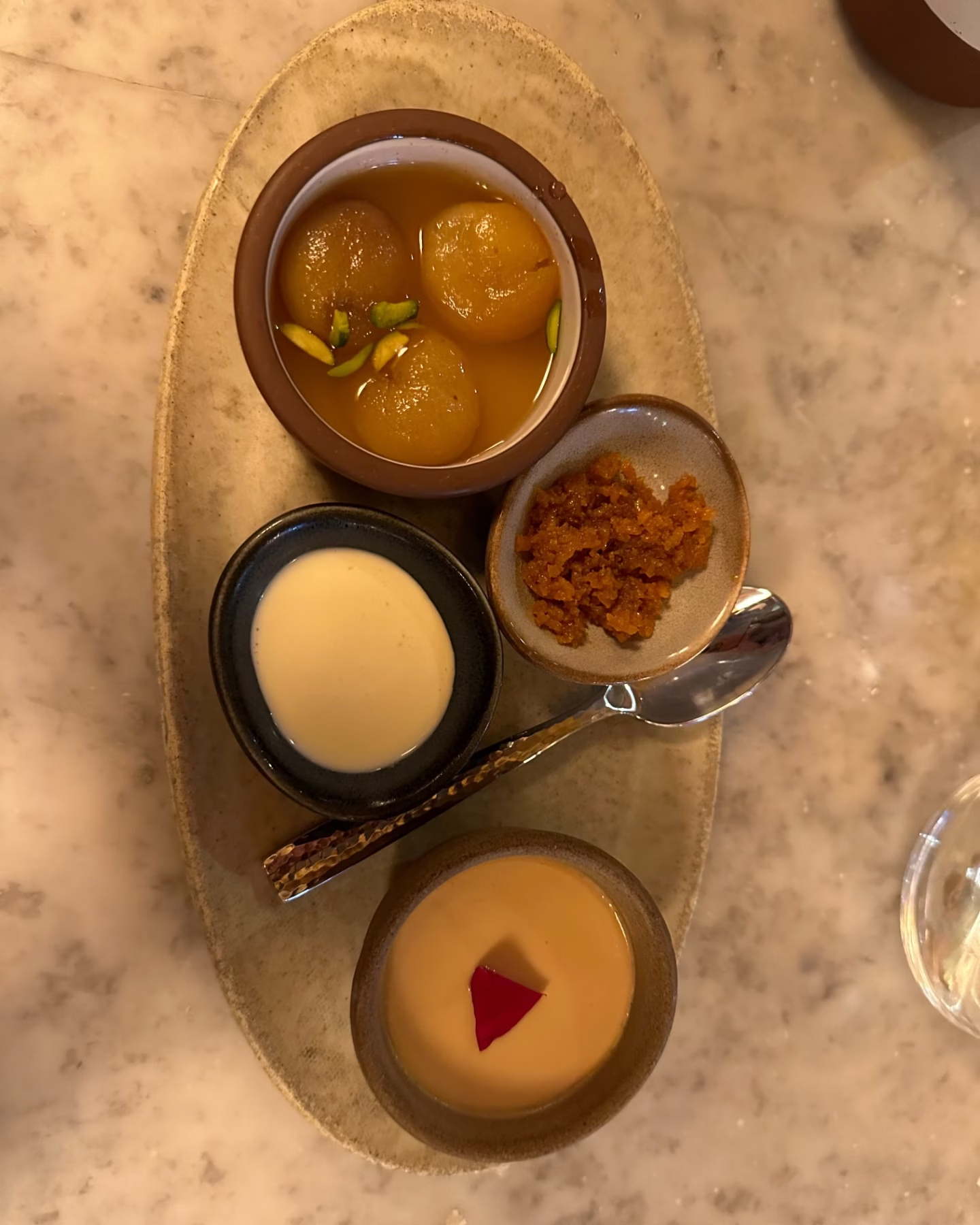
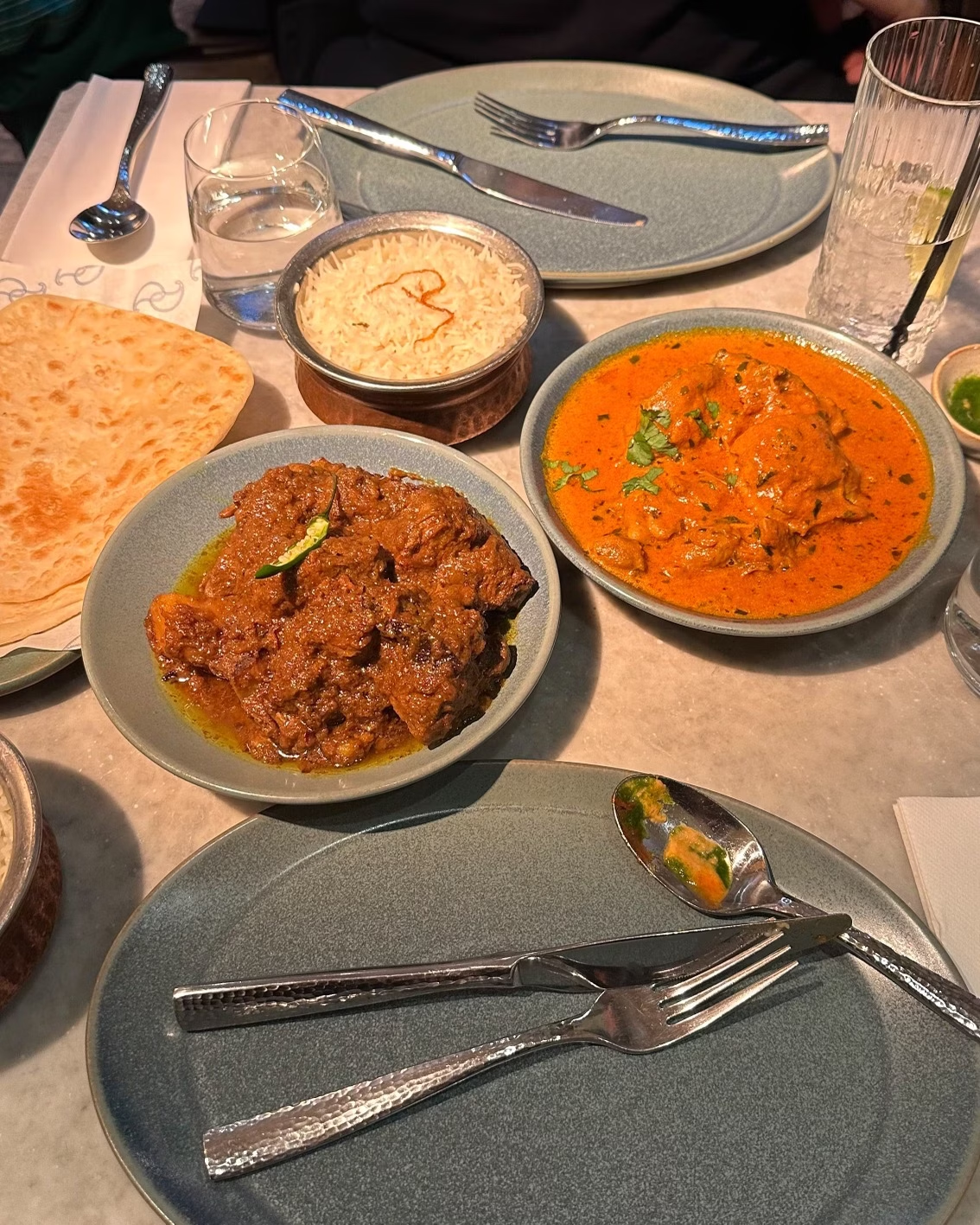
Biryani
If biryani is available, it is usually one of the safest and most satisfying orders. Darjeeling Express is known for food that respects rice dishes rather than treating them as a side. A good biryani here should be aromatic, generous and carefully spiced.
Kosha Mangsho
It is a Slow-cooked Lamb dish packed full of Bengali flavour.
- It is mainly enjoyed with Puri, which is a light fluffy bread ofeered with Thali.
- Meat dishes at Darjeeling Express often work best when they lean into slow cooking.
- Look for rich gravies, tender meat and spice blends that feel rounded rather than harsh.
Kochi dab Chingri
The Bengali influence is one of the things that makes the restaurant stand out.
- This was one of the dishes offered in the old menu
- It was lovely coconut, mustard curry with Prawns and offered in Thali
- It has been taken out and changed to Ma’s Prawns (meaning Mother’s prawn)
- It is not the same but tries to reach the same flaavour level.
- If you see dishes with mustard, fish, prawns, potatoes, rice or lighter fragrant spicing, they are worth considering.
Vegetarian Curries and Sides
Do not ignore the vegetarian dishes.
- Some of the dishes to try are – Kala Chana and Paneer Korma
- but the most impactful are the side dishes that come with a Thali – dal/lentil
- Some of the most memorable food at Darjeeling Express can come from potatoes, lentils, vegetables and rice. These dishes often show the kitchen’s confidence best.
Chutneys, Pickles and Extras
Small extras can make a big difference. If the menu includes chutneys, pickles or condiments, order them. They add brightness and contrast to the richer dishes.
Atmosphere and Interior
The restaurant still looks great. The room has energy, colour and that buzzy London dining feel that makes Soho such a fun place to eat. Service is friendly enough and the staff kept things moving, but the overall experience felt more style-led than food-led. The staff are well informed about the dishes.
In a neighbourhood packed with strong dining options, that is a problem. If you are comparing Indian restaurants in the capital, you may also want to read Jamavar London Review: Is This Mayfair Indian Restaurant Worth It? for a very different, more polished take on Indian fine dining.
Darjeeling Express has a warm, busy and relaxed atmosphere. It does not feel stiff or overly formal. The room can be lively, especially during peak times, so this is better for a sociable meal than a silent dinner.
The restaurant suits:
- Friends catching up
- Family meals
- Casual celebrations
- Food-focused dates
- Visitors to central London
- Group bookings
If you prefer a very quiet restaurant, choose an earlier time or avoid the busiest evening slots.
Service: Friendly but Busy
Service at Darjeeling Express is generally warm and welcoming, though it can feel busy when the restaurant is full. That is not unusual for a popular central London restaurant.
If it is your first visit, ask the staff what they recommend. The menu is best when you order across different sections rather than choosing one main dish each.
A good approach is to say:
“We’re here for the first time. What would you recommend for sharing?”
That usually leads to a better meal.
Prices: Is Darjeeling Express Expensive?
Darjeeling Express is not a budget curry house, but it is also not a formal fine-dining restaurant. Prices sit more in the mid-range to premium casual London category, depending on how much you order.
The final bill will depend on:
- Whether you order drinks
- How many sharing plates you choose
- Whether you go for meat, seafood or vegetarian dishes
- Whether there is a set menu or special menu available
- Service charge
For the best value, go with a group and share several dishes. You will get a much better sense of the restaurant than if you order narrowly.
- Thalis – £65 pp ( Thali is like a Tasting menu, where all the courses are set for you).
- A la Carte-
- Starter- £9-£12
- Mains – £19-£23
- Sides – £6-8
- Dessert – £6-9
- Drinks – £3-25
Who Will Love Darjeeling Express?
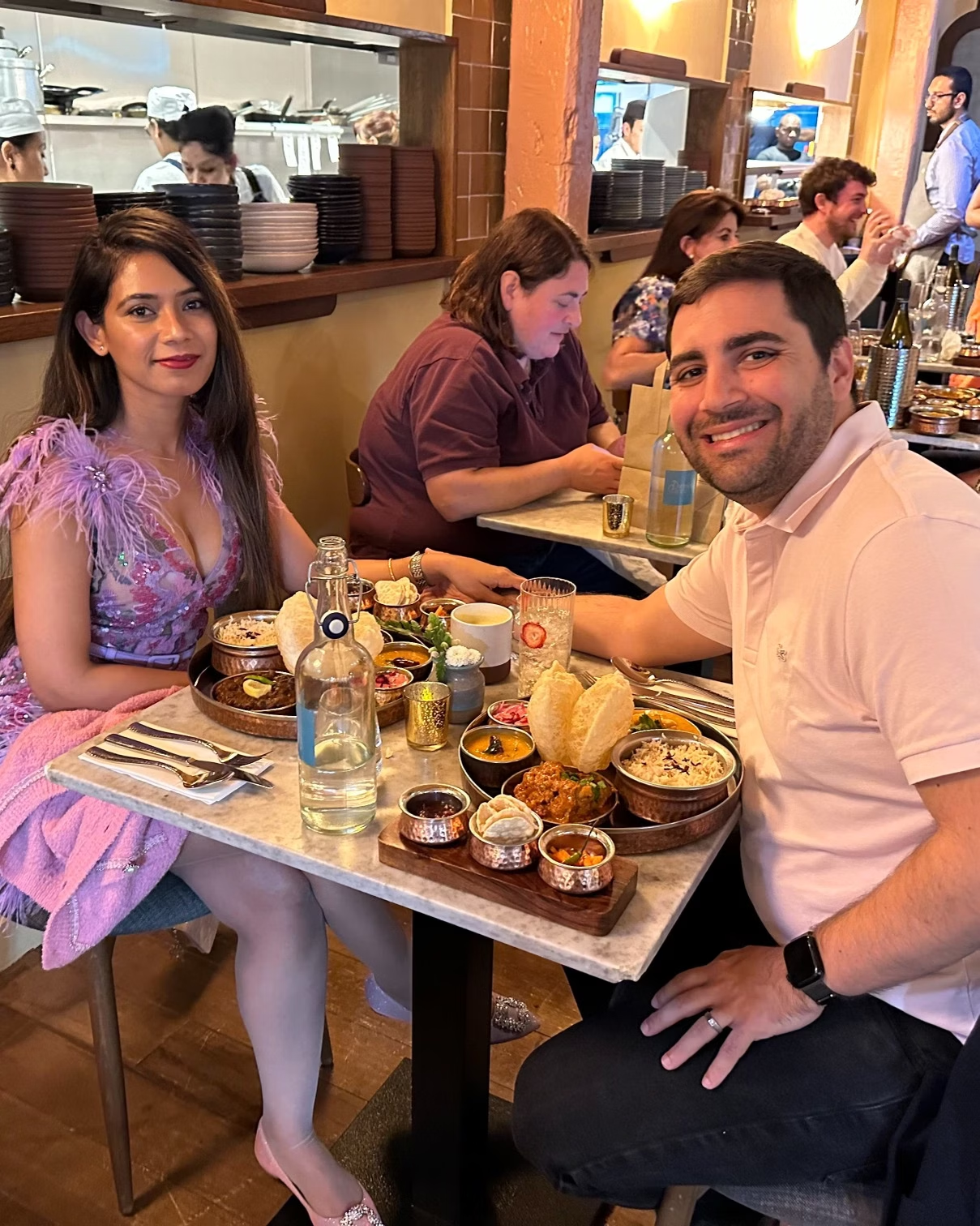

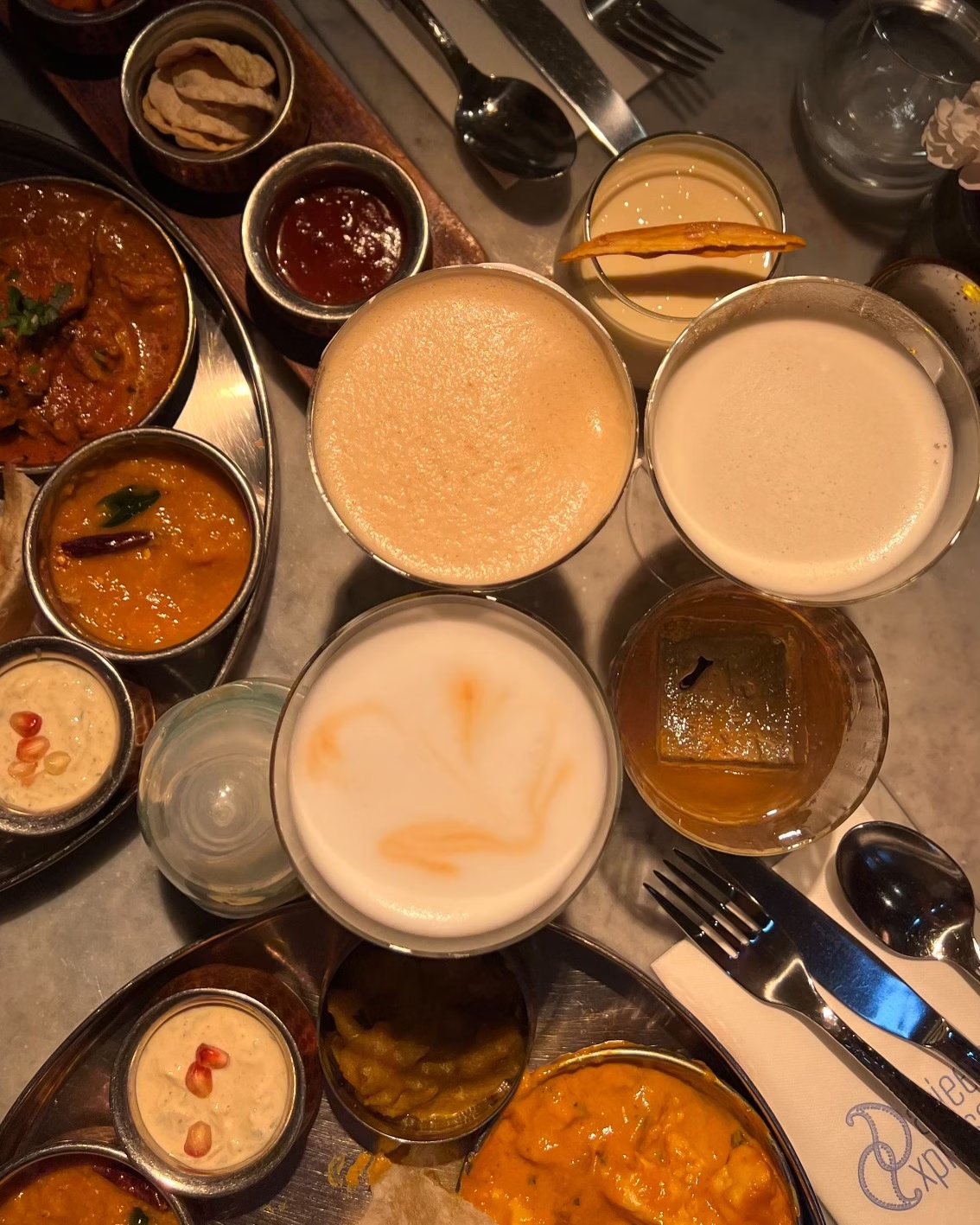
You will probably enjoy Darjeeling Express if you like restaurants with a strong point of view. The food has a story, and that story is part of the experience.
It is especially good for people who want:
- Indian food beyond the usual high-street dishes
- A restaurant with personality
- Generous sharing plates
- Regional flavours
- A central London meal that feels memorable
- Food connected to culture, family and history
Although after the change the menu feels a bit less personable, a little less regional and more for the masses. So the fans of the restaurant like us, whi went there multiple times are finding new spots.
Who Might Not Enjoy It?
Darjeeling Express may not be for everyone. You might be less impressed if you are looking for:
- Very cheap Indian food
- Huge portions at low prices
- A quiet, formal dining room
- A typical British curry-house menu
- Very spicy food for the sake of heat
- Ultra-modern fine dining presentation
This is a restaurant about flavour, memory and hospitality. If that is what you want, it makes sense. If you want a standard curry night, there are cheaper places to go.
How Darjeeling Express Compares to Other Indian Restaurants in London
London has many excellent Indian restaurants, from high-end Mayfair dining rooms to casual South Indian cafes and modern small-plate spots. Darjeeling Express sits in its own space.
It is not as formal as some luxury Indian restaurants. It is not as casual as a local curry house. It is not trying to be trendy in the same way as some modern Indian small-plate restaurants.
Its strength is identity. You remember Darjeeling Express because it feels personal. The cooking has a point of view, and the story behind the restaurant adds meaning without feeling like a marketing trick.
Booking Tips for Darjeeling Express
Darjeeling Express is popular, so booking ahead is recommended, especially for dinner and weekends. Atleast 2 months ahead.
Before you go, check:
- The latest opening hours
- The current menu
- Whether the restaurant is offering a special menu
- Dietary requirements
- Group booking rules
- Service charge
- Cancellation policy
Menus can change, and Darjeeling Express has evolved over the years, so do not rely on old photos or outdated menu screenshots.
Website: Darjeeling Express
Darjeeling Express London Review: Final Verdict
Darjeeling Express remains one of London’s most interesting Indian restaurants because it offers more than a standard meal out. The food is rooted in memory, family and regional cooking, but the restaurant has become more polished and accessible since its early days.
The biggest menu change is that Darjeeling Express has moved from a smaller, supper-club-style regional feel to a more complete restaurant experience. The current menu is broader, more structured and better suited to sharing, while still keeping the warmth and personality that made the restaurant famous in the first place.
Whixh may not be for everyone as the restaurant menu is more for the local masses now. The critics and the regional fans like me are disappointed and sad on the menu and food tasting a little less of the rregional food we came to adore and love.
We will always dream of the old Darjeeling Express with Thalis looking like a mountain, flavours that bombed our head to open up and Puris that kept coming and coming.
If you are visiting for the first time, go with an open mind, order a spread of dishes, and do not treat it like a typical curry house. Darjeeling Express is at its best when the table is full, the food is shared, and you let the menu tell its story.
Overall rating: 4.4 out of 5
Cuisine: Indian Bengali
Best for: regional Indian food, sharing plates, group dinners and memorable London dining
Related guides
- Jamavar London Review: Is This Mayfair Indian Restaurant Worth It?
- Farzi London Review: West End Restaurant Experience
- Bubala Soho Review: London’s Best Kept (Open) Secret
FAQs for Darjeeling Express London Review
Is Darjeeling Express London worth visiting?
Yes, Darjeeling Express is worth visiting if you want Indian food in London that feels personal, regional and different from a standard curry house. The restaurant is known for Asma Khan’s cooking, its all-women kitchen, and a menu inspired by family recipes, Bengali flavours and Mughlai influences.
What is Darjeeling Express London famous for?
Darjeeling Express is famous for its homestyle Indian cooking, its all-women kitchen team, and founder Asma Khan, who became widely known through her restaurant work and appearances in food media. The restaurant is also known for dishes such as biryani, slow-cooked curries, regional Indian specials and generous sharing-style meals.
What kind of food does Darjeeling Express serve?
Darjeeling Express serves regional Indian food with influences from Bengali, Mughlai and family-style cooking. The menu usually includes rice dishes, curries, vegetarian plates, meat or seafood dishes, snacks, chutneys and seasonal specials. It is best enjoyed by ordering several dishes to share.
Has the Darjeeling Express menu changed since it opened?
Yes, the Darjeeling Express menu has changed over time. In the early days, the restaurant had more of a supper-club feel, with a smaller and more personal menu. Today, the menu is broader, more structured and better suited to a full restaurant experience, while still keeping the homestyle cooking and regional Indian flavours that made it popular.
What has changed on the Darjeeling Express menu over the years?
The biggest change is that Darjeeling Express has moved from a compact, supper-club-style menu to a more developed restaurant menu. The current menu is more focused on sharing plates, signature dishes, vegetarian options, rice dishes and seasonal specials. It feels more polished now, but the food still has a strong personal and regional identity.
What should I order at Darjeeling Express London?
If available, biryani is one of the best dishes to order at Darjeeling Express. You should also look for Kosha Mangsho, slow-cooked meat dishes, Bengali-inspired curries, vegetarian sides, rice dishes, chutneys and any seasonal specials.
The best way to experience the restaurant is to order a mix of dishes for the table rather than one main course each.
Thalis/Tasting menu give you a pre-mixed menu that you dont have to think about.
Is Darjeeling Express spicy?
Darjeeling Express food is usually more about layered flavour than extreme heat. Some dishes may be spicy, but the menu is not built around chilli for the sake of it. If you are sensitive to spice, ask the staff for recommendations before ordering.
Is Darjeeling Express suitable for tourists visiting London?
Yes, Darjeeling Express is a strong choice for tourists who want to try one of London’s most talked-about Indian restaurants. It offers a dining experience with a clear identity and a story behind it, which makes it more memorable than a generic restaurant stop.
Why is Darjeeling Express popular?
Darjeeling Express is popular because it offers more than a standard Indian meal. Diners are drawn to the story behind the restaurant, the all-women kitchen, Asma Khan’s reputation, and the food’s regional, homestyle character. It feels personal, memorable and different from many other Indian restaurants in London.
Do you need to book Darjeeling Express in advance?
Yes, booking in advance is recommended, especially for dinner, weekends and group meals. Darjeeling Express is a well-known London restaurant and can get busy. It is also worth checking the latest opening times and menu before visiting, as details can change.
Is Darjeeling Express expensive?
Darjeeling Express is not the cheapest Indian restaurant in London, but it is also not a formal fine dining venue. Prices are generally in the mid-range to premium casual category. The final bill depends on how many dishes you order, whether you have drinks, and whether you choose meat, seafood or set-menu options.
Is Darjeeling Express a fine dining restaurant?
Darjeeling Express is not a traditional fine dining restaurant. It is better described as a premium casual Indian restaurant with a strong story, warm service and carefully cooked food. The experience is more relaxed and generous than formal, with a focus on sharing, flavour and hospitality.
Is Darjeeling Express good for vegetarians?
Yes, Darjeeling Express is a good restaurant for vegetarians. Indian vegetarian cooking is a strong part of the menu, and the vegetarian dishes usually feel like proper dishes rather than afterthoughts. Expect flavourful vegetable curries, lentils, rice dishes, potatoes, chutneys and seasonal vegetarian options.
Is Darjeeling Express good for groups?
Yes, Darjeeling Express is a good choice for groups because the food is designed to be shared. A group meal allows you to try more of the menu, including rice dishes, curries, vegetarian plates, snacks and sides. It is one of the best ways to experience the restaurant properly.
Topics that may interest you


Leave a Reply