

Planning your first trip to London? This guide covers the best things to do in London, including famous landmarks, free museums, food markets, royal parks, viewpoints, neighbourhoods and hidden gems. Whether you have one day, three days or a full week, you’ll find practical ideas for sightseeing, rainy days, families, couples and budget travellers.
I have been living in London for more than 10 years and know the ins & outs. Hence, I have also included practical tips on timing, prices, and how to group stops together so you spend less time crossing the city and more time actually enjoying it.
If you are planning a first visit, pair this with our 3 Day London Itinerary: The Perfect First-Time Trip for an easy day-by-day route through the city, or browse our London itineraries hub for trip plans by length.
Quick Answer: What Are the Best Things to Do in London?
The best things to do in London include visiting the Tower of London, walking along the South Bank, seeing Buckingham Palace, exploring the British Museum, eating at Borough Market, riding the London Eye, wandering through Covent Garden, visiting Westminster Abbey, discovering Camden Market and enjoying views from Sky Garden or Primrose Hill.
London is one of those cities where you can spend a weekend, a week or even a lifetime and still find something new. Whether you are visiting for the first time or returning for another trip, the capital is packed with world-famous landmarks, free museums, royal parks, historic streets, brilliant food markets and neighbourhoods full of character.
This guide covers the best things to do in London, including classic tourist attractions, free activities, unusual experiences and practical tips to help you plan your visit.
Best Things to Do in London at a Glance
| Experience | Best For | Location | Free? |
|---|---|---|---|
| Tower of London | History and royal sights | Tower Hill | No |
| British Museum | Free culture | Bloomsbury | Yes |
| South Bank Walk | First-time visitors | Waterloo to London Bridge | Yes |
| Borough Market | Food lovers | London Bridge | Free to enter |
| Sky Garden | Free city views | City of London | Yes, booking needed |
| Covent Garden | Shopping and atmosphere | West End | Free to explore |
| Natural History Museum | Families and rainy days | South Kensington | Yes |
| Greenwich | Views and maritime history | South East London | Mostly free |
| Camden Market | Street food and alternative culture | Camden | Free to enter |
| Westminster Abbey | History and architecture | Westminster | No |
If You Only Have Time for 5 Things in London
If it is your first visit to London and you only have time for a few highlights, prioritise these:
- Westminster and Big Ben — for classic London landmarks.
- Tower of London and Tower Bridge — for history and iconic views.
- South Bank walk — for the Thames, skyline and street atmosphere.
- British Museum or Natural History Museum — for a world-class free museum.
- Borough Market or Covent Garden — for food, shopping and atmosphere.
1. Visit the Tower of London
The Tower of London is one of the most famous historic attractions in the city. It has been a royal palace, prison, fortress and treasury, and today it is best known as the home of the Crown Jewels.
A visit here gives you a real sense of London’s royal and medieval past. You can walk along the old walls, see the ravens, join a Yeoman Warder tour and learn about some of the Tower’s darker stories.
Good to know: Book tickets in advance if you are visiting during school holidays or peak tourist season.
Best for: History, royal sights and first-time visitors
Nearest Tube: Tower Hill
How long to spend: 2–3 hours
Free? No
Good to combine with: Tower Bridge, St Katharine Docks and Borough Market
2. Walk Across Tower Bridge

Tower Bridge is one of London’s most recognisable landmarks. Many visitors confuse it with London Bridge, but Tower Bridge is the grand one with the two towers and blue suspension details.
You can walk across it for free, or pay to visit the Tower Bridge Exhibition, where you can see the glass floor walkway and learn how the bridge works.
For great photos, walk along the riverside near City Hall or from the Tower of London side.
3. Explore the South Bank
The South Bank is one of the best areas to explore on foot. It runs along the River Thames and offers views of Big Ben, St Paul’s Cathedral, the London Eye and the city skyline.
Along the way, you will find street performers, riverside restaurants, book stalls, theatres, galleries and plenty of places to stop for a drink.
Popular stops along the South Bank include:
- London Eye
- Royal Festival Hall
- National Theatre
- Tate Modern
- Shakespeare’s Globe
- Borough Market
If you only have a short time in London, a South Bank walk is one of the easiest ways to see a lot in one go.
4. See Big Ben and the Houses of Parliament

Big Ben is one of the most iconic sights in London. Technically, Big Ben is the bell inside the Elizabeth Tower, but most people use the name for the whole clock tower.
The best views are from Westminster Bridge or from across the river near the London Eye. While you are there, you can also see the Houses of Parliament and visit nearby Westminster Abbey.
This area gets very busy, so go early in the morning if you want quieter photos.
5. Visit Westminster Abbey
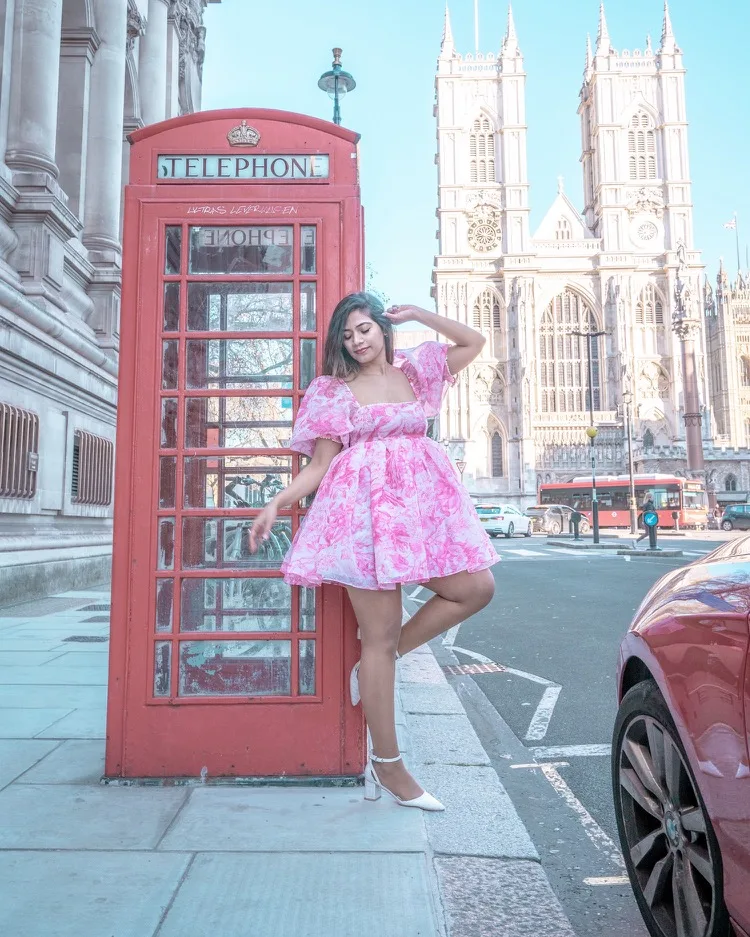
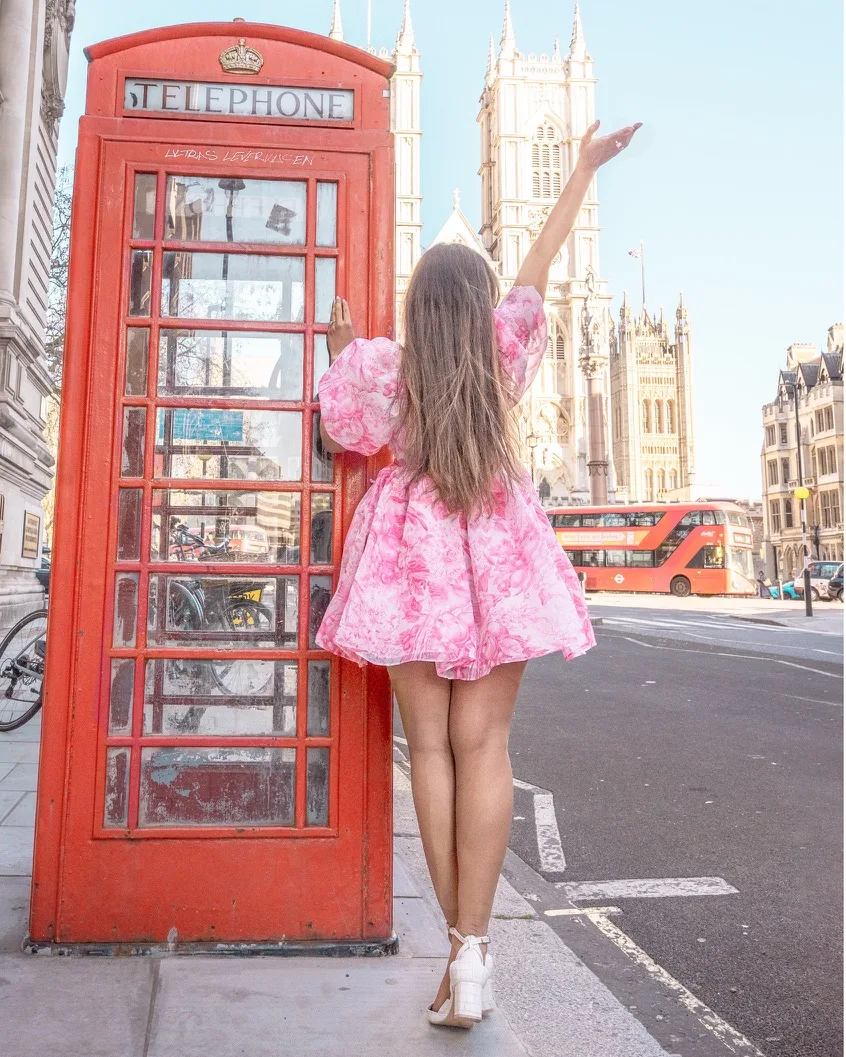
Westminster Abbey is one of London’s most important religious and historic buildings. It has hosted royal weddings, coronations and funerals, and many famous figures are buried or commemorated there.
Inside, you will find stunning Gothic architecture, royal tombs and Poets’ Corner, where writers such as Geoffrey Chaucer, Charles Dickens and Rudyard Kipling are remembered.
It is a must-see for anyone interested in British history.
I had the best time taking this guided walking tour to visit Westminster Abbey.
6. Watch the Changing of the Guard at Buckingham Palace
Buckingham Palace is one of the top places to visit in London, especially for first-time visitors. The Changing of the Guard is a traditional ceremony where the King’s Guard changes duty outside the palace.
It is free to watch, but it does not happen every day, so check the official schedule before you go.
For a good view, arrive early and be prepared for crowds. If you prefer a quieter experience, take photos of the palace from the Victoria Memorial or walk through nearby St James’s Park.
Buckingham Palace state rooms cannot be visited all year; it is only available for a short summer window when the royal family is out of the palace. These tickets for Buckingham Palace and the Changing of the Guard need to be booked in advance, and they make sure you don’t get conned.
7. Relax in St James’s Park
Just a short walk from Buckingham Palace, St James’s Park is one of the prettiest green spaces in central London. It has flowerbeds, a lake, pelicans and lovely views towards Buckingham Palace.
It is a peaceful place to rest between sightseeing stops, especially if you are exploring Westminster, Trafalgar Square or the Mall.
8. Ride the London Eye
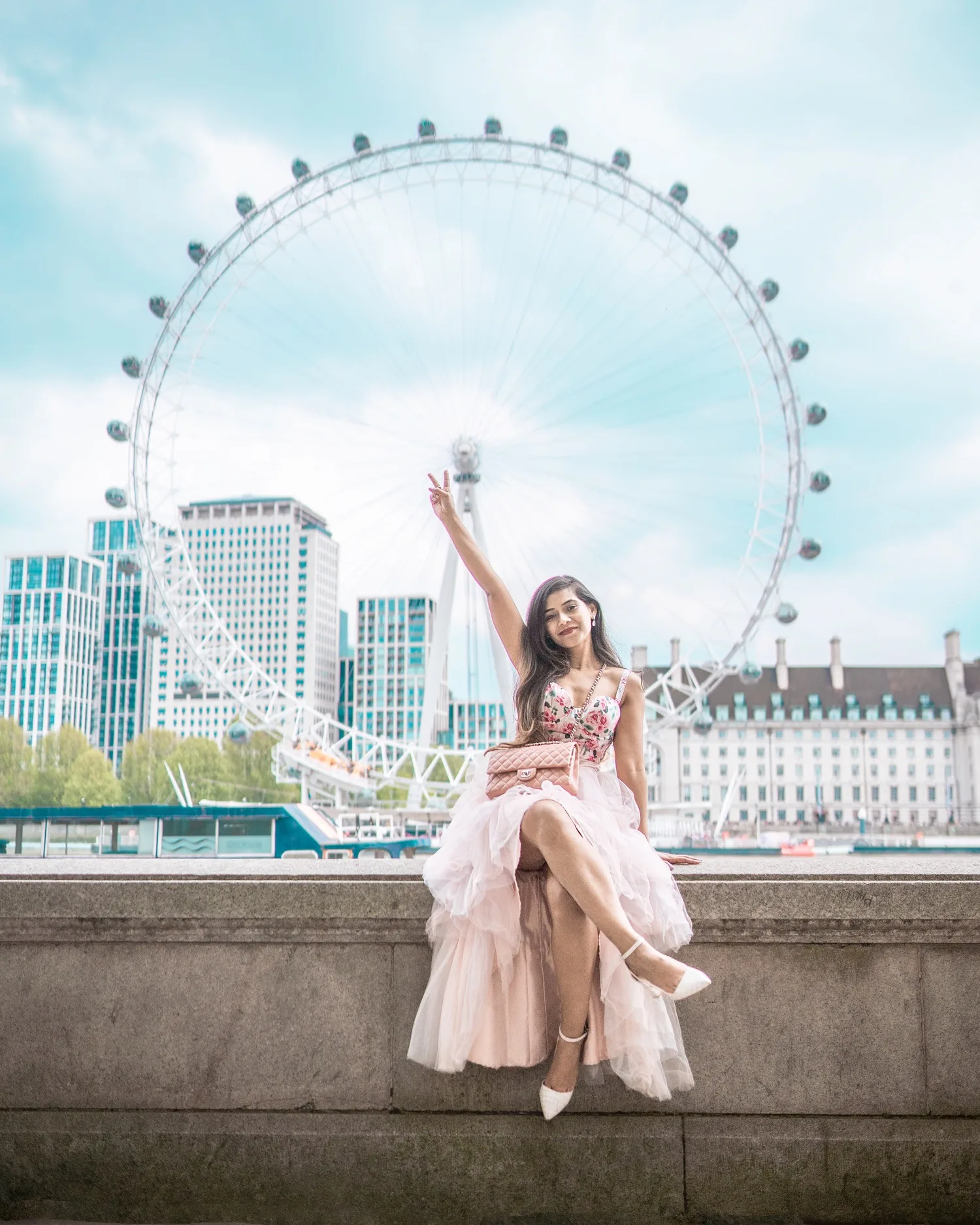
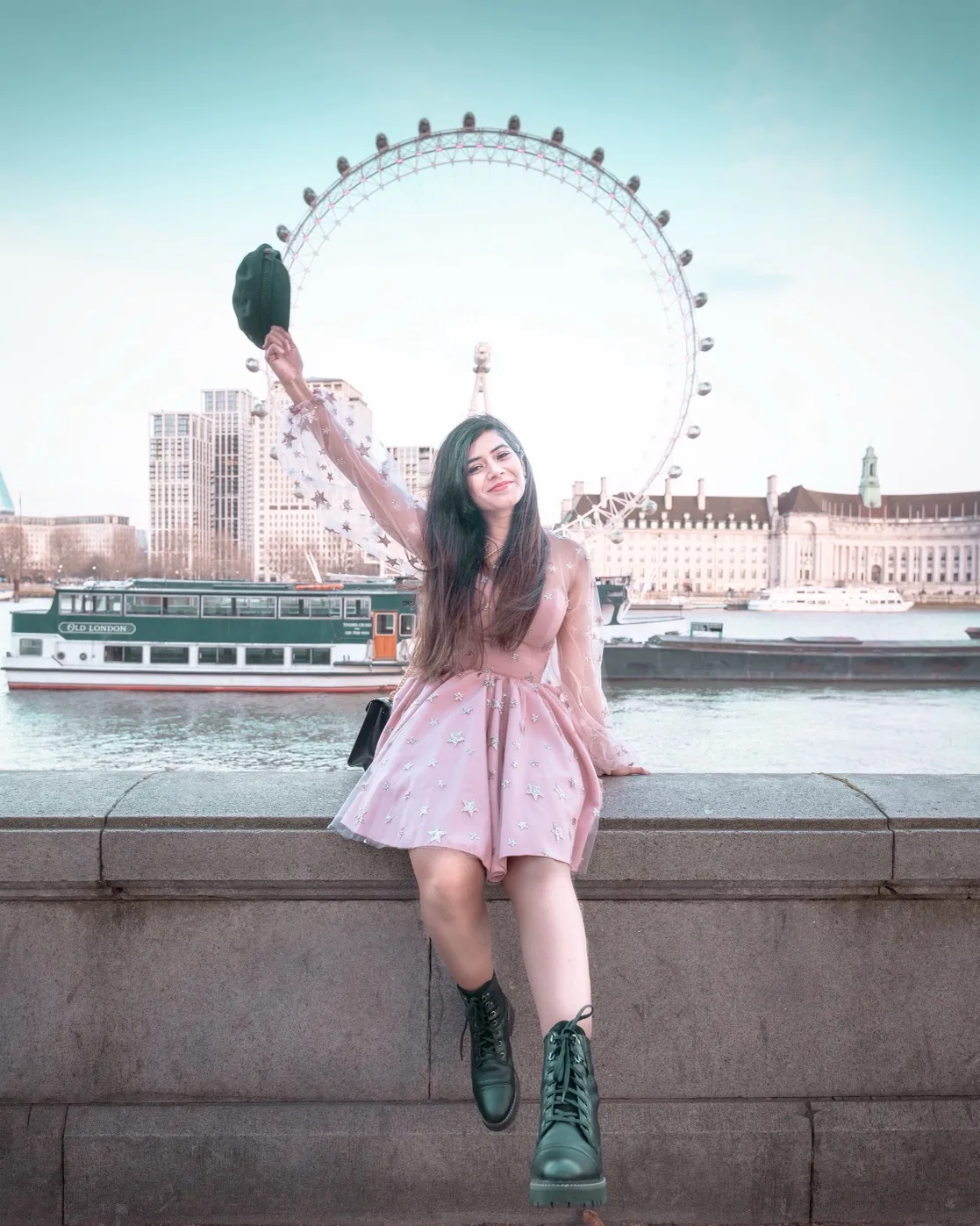
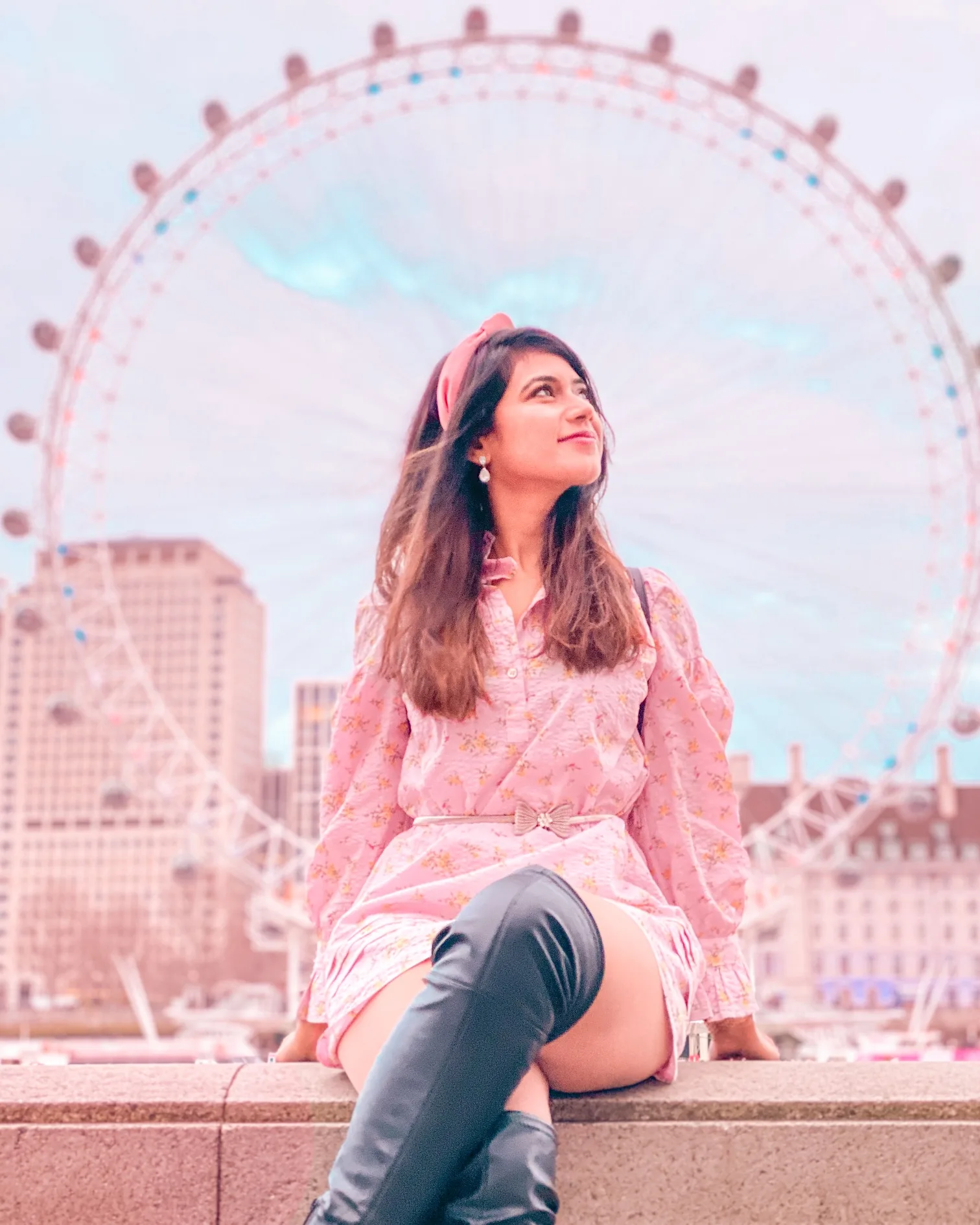
The London Eye offers one of the best views over central London. From the top, you can see Big Ben, Westminster Abbey, St Paul’s Cathedral, The Shard and, on a clear day, far beyond the city centre.
It is touristy, but it is popular for a reason. If you are visiting London for the first time, it can be a memorable experience.
Tip: Book ahead and consider going around sunset for the best atmosphere.
9. Discover the British Museum
The British Museum is one of the best free things to do in London. Its collection covers thousands of years of human history, with objects from ancient Egypt, Greece, Rome, Asia, Africa and beyond.
Highlights include:
- The Rosetta Stone
- Egyptian mummies
- The Parthenon sculptures
- Assyrian carvings
- The Great Court
Entry is free, though special exhibitions may require tickets. It is a huge museum, so do not try to see everything in one visit. Choose a few galleries and enjoy them properly.
10. Visit the Natural History Museum
The Natural History Museum in South Kensington is one of London’s most impressive museums, both inside and out. The building itself is beautiful, and the exhibits are great for adults and children.
Expect dinosaurs, fossils, gemstones, wildlife displays and the famous Hintze Hall with its enormous blue whale skeleton.
It is one of the best things to do in London with kids, and entry is free.
11. Explore the Science Museum
Next door to the Natural History Museum, the Science Museum is another excellent free attraction. It covers space travel, medicine, engineering, technology and transport.
It is especially good for families because many areas are interactive. If you are visiting London on a rainy day, this is a great choice.
12. See Art at the National Gallery
The National Gallery sits on Trafalgar Square and is home to one of the world’s greatest art collections. You can see works by Van Gogh, Monet, Turner, Botticelli, Rembrandt and many others.
Entry to the main collection is free, making it one of the best cultural activities in London on a budget.
Even if you are not usually an art person, it is worth going in for an hour.
13. Spend Time in Trafalgar Square


Trafalgar Square is one of London’s most famous public spaces. It is home to Nelson’s Column, fountains, statues and the National Gallery.
It is also close to Covent Garden, Leicester Square, Whitehall and the West End, so it makes a useful stop while exploring central London.
14. Wander Around Covent Garden
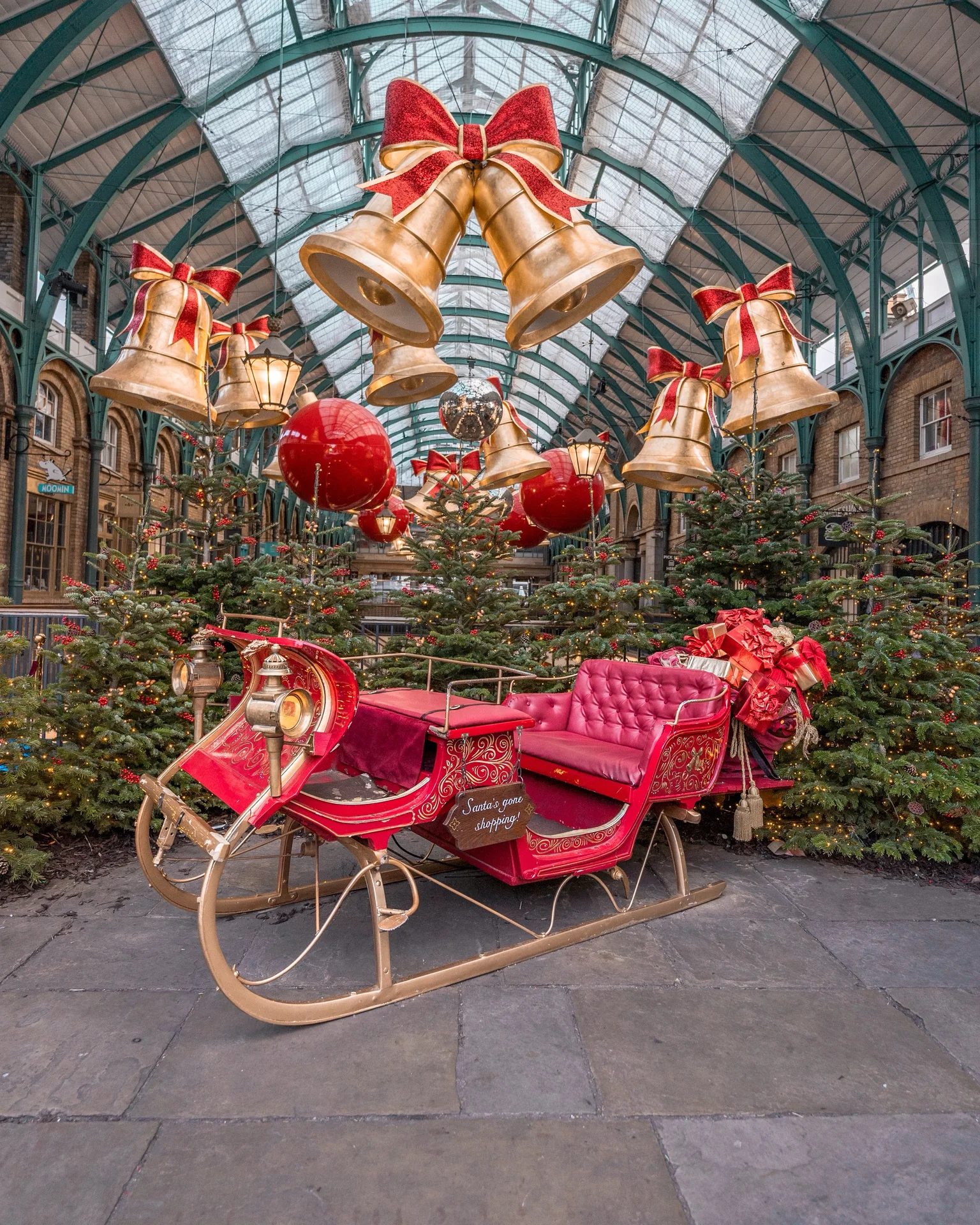

Covent Garden is one of the best areas in London for atmosphere. It has shops, restaurants, street performers, historic market buildings and pretty side streets.
Things to do in Covent Garden include:
- Watch street performers in the piazza
- Browse the Apple Market
- Visit Seven Dials
- Eat at a nearby restaurant or café
- Walk to Neal’s Yard for colourful photos
Covent Garden is especially lively in the evening, making it a good choice before or after a West End show.
15. See a West End Show
London’s West End is one of the best theatre districts in the world. From long-running musicals to plays, comedies and new productions, there is usually something for every taste.
Popular theatre areas include Leicester Square, Covent Garden, Shaftesbury Avenue and the Strand.
For cheaper tickets, check official theatre websites, same-day ticket booths or trusted ticket platforms.
16. Eat Your Way Around Borough Market
Borough Market is one of the best food markets in London. It is a paradise for anyone who loves food, with stalls selling fresh produce, baked goods, cheese, street food, coffee, pastries and international dishes.
Borough Market is busiest between 12 pm and 2 pm, especially from Thursday to Saturday. If you want to actually enjoy it rather than shuffle through crowds, arrive around 10 am or later in the afternoon. For a simple route, enter near London Bridge station, grab something to eat, then walk towards Southwark Cathedral and continue along the river to Tate Modern.
Nearby attractions include Southwark Cathedral, London Bridge, The Shard and the Golden Hinde.
17. Visit St Paul’s Cathedral
St Paul’s Cathedral is one of London’s most beautiful buildings. Designed by Sir Christopher Wren after the Great Fire of London, it has a spectacular dome and an impressive interior.
You can climb to the galleries for views across the city, including the famous Whispering Gallery and higher viewing levels, howerver it is ticketed entry.
For one of the best free views of St Paul’s, walk across Millennium Bridge from Tate Modern.


18. Explore Tate Modern
Tate Modern is London’s major modern and contemporary art gallery. It is housed in a former power station on the South Bank and is free to enter.
Even if modern art is not usually your thing, the building is worth seeing, and the location is excellent for combining with St Paul’s Cathedral, Borough Market and Shakespeare’s Globe.
19. Visit Shakespeare’s Globe
Shakespeare’s Globe is a reconstruction of the open-air theatre associated with William Shakespeare. You can take a guided tour, visit the exhibition or watch a play during the theatre season.
Standing tickets can be very affordable, making this one of the more unique things to do in London.
20. Enjoy the View from Sky Garden

Sky Garden is one of the best free viewpoints in London. It is located at the top of the “Walkie Talkie” building and offers panoramic views across the city.
Entry is free, but you need to book a time slot in advance. Inside, you will find indoor gardens, viewing platforms, bars and restaurants.
If you want a great London view without paying for The Shard, Sky Garden is a smart option.
21. Go Up The Shard
The Shard is the tallest building in the UK and offers dramatic views over London. The viewing platform is higher than many other viewpoints in the city, giving you a sweeping look across the Thames, Tower Bridge, the City and beyond.
It is not the cheapest attraction, but it is a special experience, especially for a birthday, anniversary or first trip to London.
22. Explore Camden Market
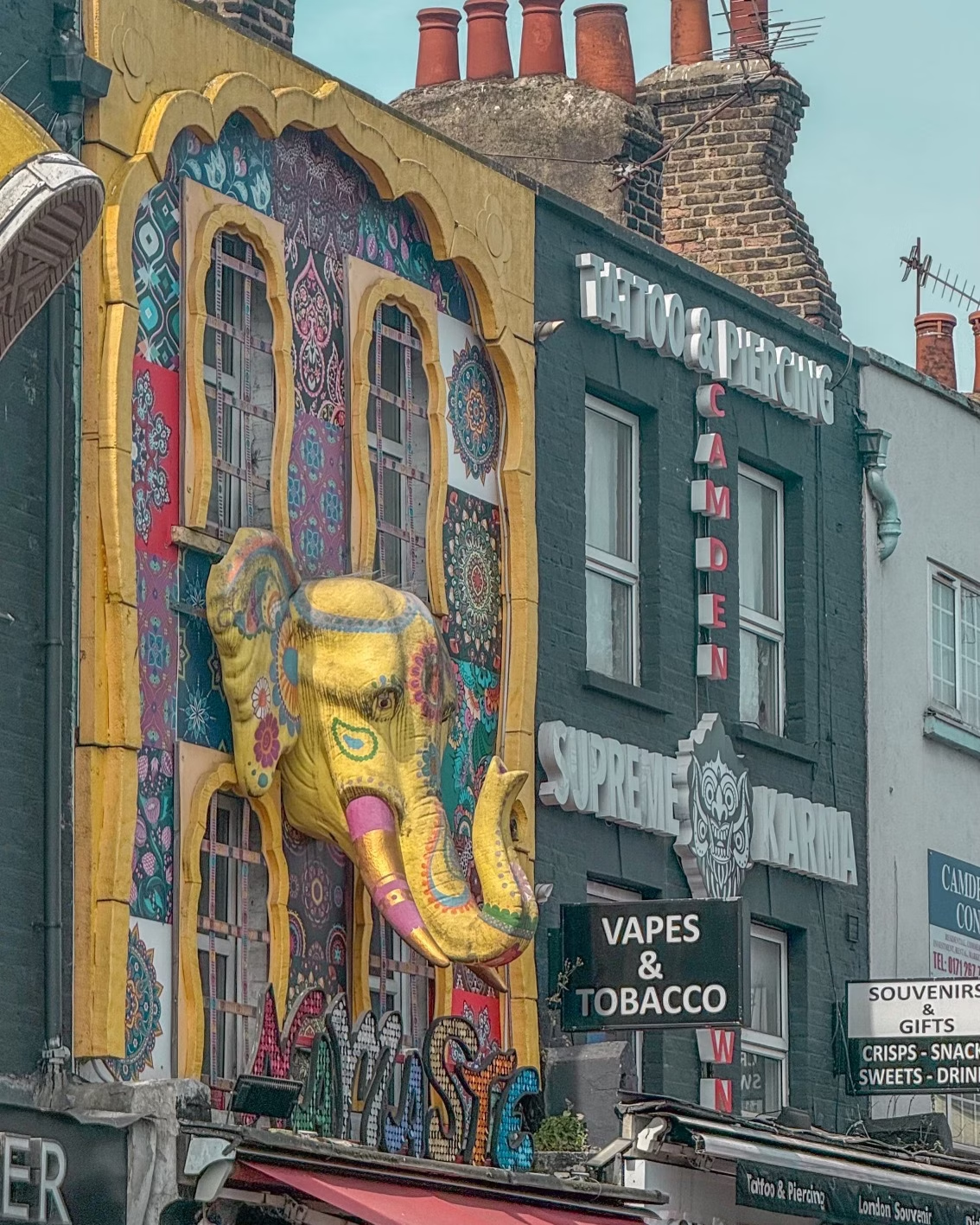
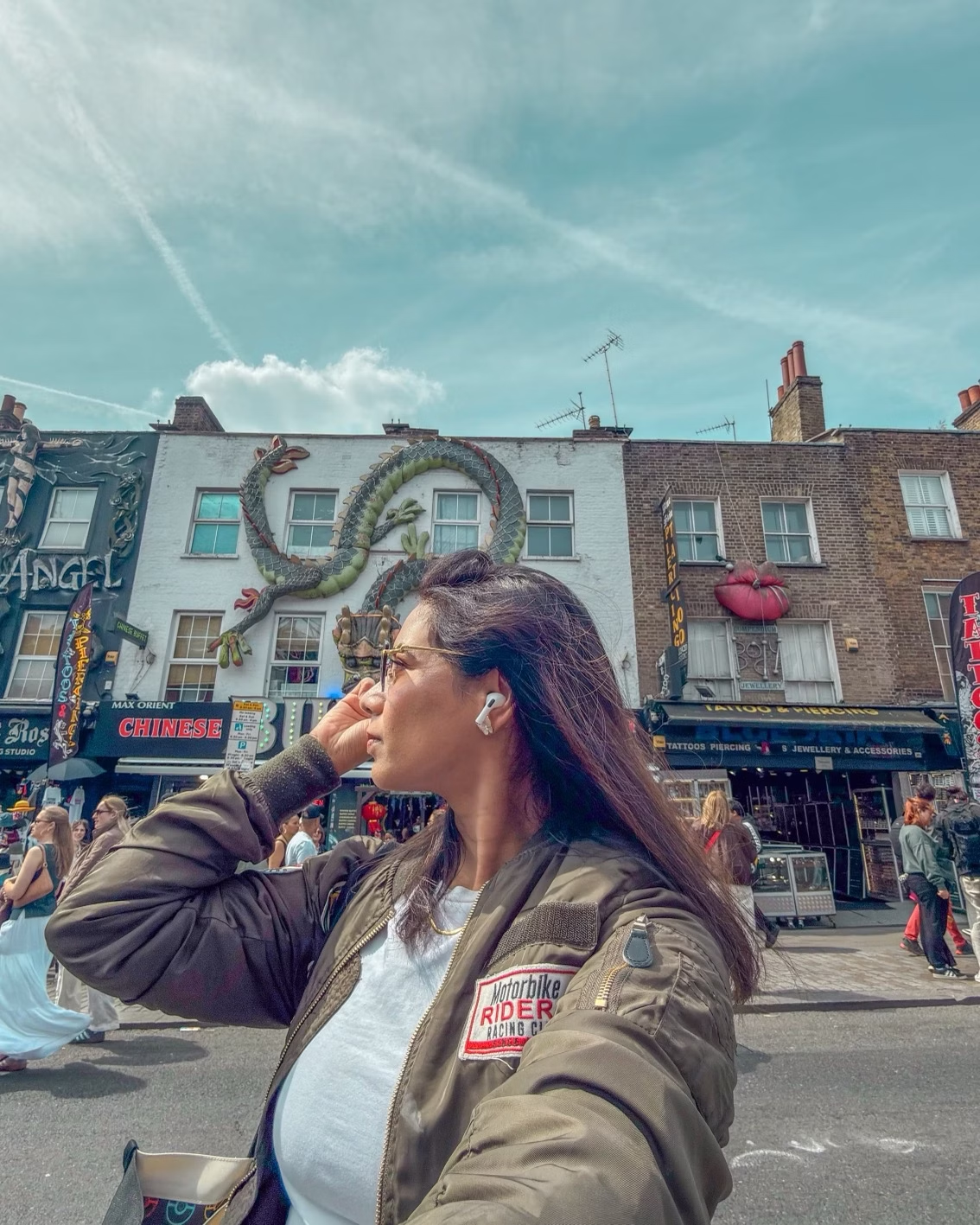
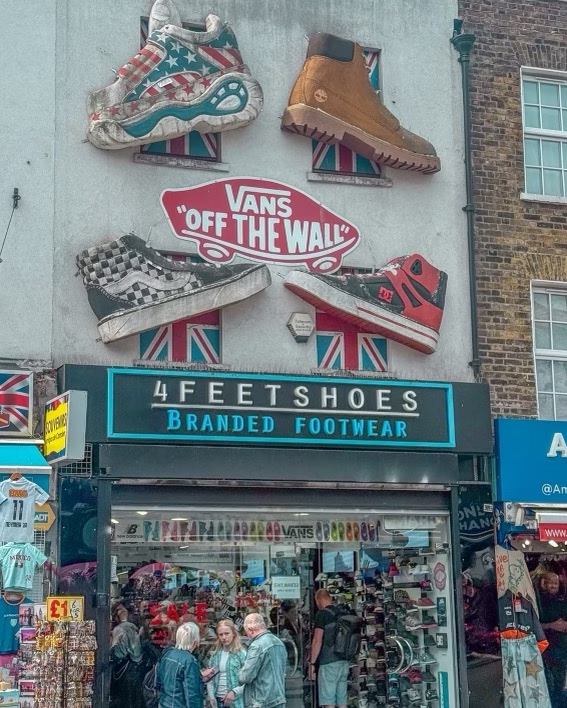
Camden is one of London’s most colourful and alternative neighbourhoods. It is known for street food, vintage shops, music history, canal walks and quirky market stalls.
Camden Market is a great place to try different cuisines, shop for unusual gifts and experience a different side of London.
After exploring the market, take a walk along Regent’s Canal towards Regent’s Park or King’s Cross.
23. Walk Through Regent’s Park
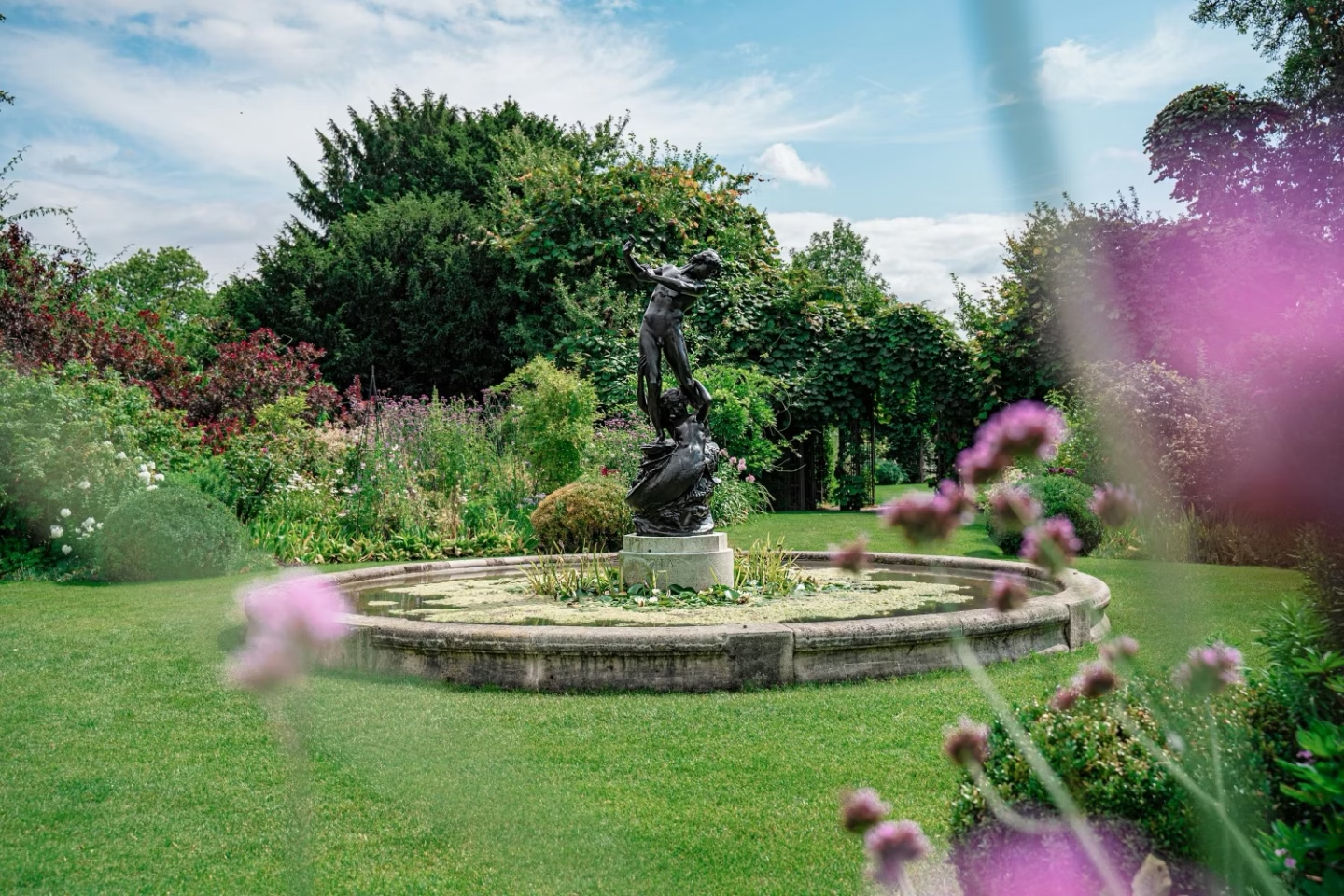
Regent’s Park is one of London’s most elegant royal parks. It has wide paths, gardens, sports areas, open lawns and beautiful flower displays in Queen Mary’s Gardens.
It is also close to London Zoo and Primrose Hill, so you can easily combine all three in one day.
24. Climb Primrose Hill for a Free View

Primrose Hill offers one of the best free views in London. From the top, you can see the city skyline, including The Shard, the BT Tower and the London Eye.
It is a lovely spot for a picnic, especially on a clear day. The nearby streets also have cafés, pubs and pastel-coloured houses.
Here are the Best Things to Do in Primrose Hill London: Views, Cafes, Walks & Tips if you fancy discovering this amazing neighbourhood.
25. Visit Notting Hill and Portobello Road Market

Notting Hill is famous for its colourful houses, pretty streets and Portobello Road Market. The area is especially popular with photographers, shoppers and film fans.
Portobello Road Market is best known for antiques, but you will also find fashion, food, vintage items and souvenirs.
Go early if you want to avoid the biggest crowds, especially on Saturdays.
26. Discover Kensington Gardens and Hyde Park
Hyde Park and Kensington Gardens form one of the largest green spaces in central London. You can walk, cycle, hire a boat on the Serpentine or simply relax away from the traffic.
Nearby attractions include:
- Kensington Palace
- Royal Albert Hall
- The Serpentine
- Princess Diana Memorial Fountain
- Harrods
- South Kensington museums
This area is ideal if you want to combine museums, parks and shopping in one day.
27. Visit Kensington Palace
Kensington Palace has been home to members of the royal family for centuries. Visitors can explore parts of the palace, learn about royal history and walk through the gardens.
It is a good choice if you are interested in royal London but want something less crowded than Buckingham Palace.
28. Shop at Harrods

Harrods in Knightsbridge is one of the world’s most famous department stores. Even if you do not plan to buy anything, it is worth visiting for the food halls, luxury displays and grand interiors.
It is close to Hyde Park, the Victoria and Albert Museum and the Natural History Museum, so it fits easily into a South Kensington itinerary.
29. Explore Greenwich
Greenwich feels like a village within London, but it has some of the city’s best attractions. It is known for maritime history, riverside views, markets and the Prime Meridian.
Top things to do in Greenwich include:
- Visit the Royal Observatory
- Stand on the Prime Meridian Line
- Explore the National Maritime Museum
- See the Cutty Sark
- Walk through Greenwich Park
- Browse Greenwich Market
You can reach Greenwich by train, DLR or river boat. Taking the boat from central London is a scenic way to arrive.
30. Take a Thames River Cruise
A Thames river cruise is a relaxed way to see many London landmarks from the water. Depending on the route, you may pass the Houses of Parliament, London Eye, St Paul’s Cathedral, Tower Bridge, Canary Wharf and Greenwich.
It is a good option if you want to rest your feet while still sightseeing.
For a cheaper alternative, use the Uber Boat by Thames Clippers service, which works more like public transport on the river.
31. Visit the Victoria and Albert Museum
The V&A in South Kensington is one of the best museums in London for design, fashion, photography, sculpture, jewellery and decorative arts.
The collection is vast and beautifully presented. Entry to the main museum is free, and it is a great choice for anyone interested in creativity, interiors, fashion or history.
32. Explore Shoreditch Street Art
Shoreditch is one of the best areas in London for street art, independent shops, cafés, bars and nightlife. Brick Lane and the surrounding streets are full of murals, vintage shops, curry houses and markets.
This is a great area if you want something more local and less traditional than the usual sightseeing route.
Look out for street art around:
- Brick Lane
- Hanbury Street
- Redchurch Street
- Great Eastern Street
- Shoreditch High Street
33. Eat in Chinatown
London’s Chinatown is located between Leicester Square and Soho. It is packed with restaurants, bakeries, bubble tea shops and supermarkets.
It is a great place for dumplings, roast duck, noodles, hot pot and sweet treats. It is especially atmospheric in the evening when the lanterns are lit.
Because it is so central, Chinatown is easy to combine with Covent Garden, Soho, Piccadilly Circus and the West End.
34. Experience Soho at Night
Soho is one of the liveliest areas in central London. It is known for restaurants, bars, theatres, music venues, LGBTQ+ nightlife and late-night energy.
During the day, it is great for cafés and shopping. At night, it becomes one of the best places in London for dinner, drinks and people-watching.
Popular nearby streets include Carnaby Street, Old Compton Street and Dean Street.
35. Find Hidden Gems in London


Once you have seen the major landmarks, London has plenty of quieter and more unusual places to explore.
Some hidden gems in London include:
- Leadenhall Market — a beautiful covered market in the City
- Little Venice — canals, boats and waterside cafés
- Postman’s Park — a peaceful garden with a moving memorial
- Daunt Books — a beautiful Edwardian bookshop in Marylebone
- God’s Own Junkyard — a colourful neon art space in Walthamstow
- Eel Pie Island — a quirky private island with artistic history
- St Dunstan in the East — ruined church gardens near Tower Hill
- Kyoto Garden — a peaceful Japanese garden in Holland Park
These places are perfect if you want unique things to do in London beyond the standard tourist trail.
Step-by-step method of planning your activities in London
1. Start with London’s big landmarks, but do them strategically
If you are visiting London for the first time, there is no reason to skip the headline sights. Westminster Abbey, Big Ben, the Houses of Parliament, Buckingham Palace, St Paul’s Cathedral and Tower Bridge are iconic for a reason.
The mistake most visitors make is trying to see them in one rushed day while spending half their time on the Tube. London works better when you explore in clusters. Westminster and St James’s fit naturally together, while the Tower of London, Tower Bridge and the riverside around More London make an easy East London sightseeing loop.
For a smooth first day, begin early around Westminster before tour groups build. If you want a ready-made route, this 3 Day London Itinerary: The Perfect First-Time Trip is useful for mapping the major sights without wasting time zigzagging across the city.
- Best early-morning landmark area: Westminster, before 9 am
- Best for royal London: Buckingham Palace, The Mall and St James’s Park
- Best historic ticketed sight: Tower of London
- Best skyline walk between landmarks: South Bank from Westminster Bridge to Tower Bridge
- Best free landmark pairing: Trafalgar Square and Covent Garden
2. Walk the South Bank for one of the easiest and best days out in London
If you only have one half-day in London and want maximum variety with minimal planning, the South Bank is one of the best choices. The stretch from Westminster Bridge to Tower Bridge gives you river views, street performers, food stalls, book markets, major attractions and some of the city’s best people-watching.
You can stop at the London Eye, the Southbank Centre, the National Theatre, Tate Modern, Shakespeare’s Globe and Borough Market, all without needing public transport between them.
This part of London is especially good for travellers who like flexible sightseeing rather than museum-heavy schedules. You can make it cheap by sticking to the walk and free galleries, or turn it into a full paid day by adding the London Eye or a river cruise. If photography is part of your trip, bookmark 25 Best Spots for Photography in London: A Local Guide for angles and exact locations beyond the obvious postcard shots.
3. Explore London’s most characterful neighbourhoods, not just the monuments
Some of the most memorable things to do in London are not single attractions at all, but neighbourhood days.
- Notting Hill is best for pastel streets, independent shops and market browsing around Portobello Road.
- Soho works well for compact wandering, theatres, late-night dining and hidden cocktail bars.
- Shoreditch is strong on street art, coffee shops, vintage stores and a more creative East London feel.
- Marylebone offers quieter central streets, smart cafés and a more polished village atmosphere.
For one of the best skyline walks without the crowds of central viewpoints, head north-west to Primrose Hill. The hill itself is a short climb, but the wider area is worth lingering in for Regent’s Park walks, local cafés and elegant side streets. This guide to Best Things to Do in Primrose Hill London: Views, Cafes, Walks & Tips is especially useful if you want a quieter London afternoon that still feels classic.
- Notting Hill: best for market browsing, colourful streets and weekend strolling
- Soho: best for theatre nights, restaurants and nightlife
- Shoreditch: best for street art, vintage shopping and creative energy
- Marylebone: best for refined cafés, boutiques and quieter central exploring
- Primrose Hill: best for skyline views and a local-feeling walk
4. Choose one or two museums that match your interests
London’s museum scene is one of the city’s biggest advantages, but it is easy to overcommit. Rather than trying to rush through five major institutions, pick one or two that genuinely fit your interests and give them proper time.
- The British Museum is best for world history and headline objects like the Rosetta Stone.
- The Victoria and Albert Museum is excellent for design, fashion and decorative arts.
- The Natural History Museum is the strongest family choice,
- while Tate Modern is ideal if you want contemporary art in a dramatic riverside building.
| Place | Best for | Cost | Time to allow |
|---|---|---|---|
| British Museum | Ancient history and major artefacts | Free | 2–3 hours |
| V&A Museum | Design, fashion and interiors | Free | 2 hours |
| Natural History Museum | Families and natural science | Free | 2–3 hours |
| Tate Modern | Modern art and river views | Free | 1.5–2 hours |
| Sir John Soane’s Museum | Quirky historic interiors | Free | 45–60 mins |
5. See London from above, then balance it with a park or waterside walk
One of the best ways to understand London’s scale is to get above street level. The city’s skyline is spread wide rather than concentrated, so viewpoints help you make sense of how the river, old landmarks and modern towers fit together.
To keep the day from becoming too urban, pair your viewpoint with greenery. Regent’s Park, Hampstead Heath, Greenwich Park and Richmond Park all offer a different mood. Greenwich is especially rewarding because you can combine the Royal Observatory, the Prime Meridian, the Painted Hall, the Cutty Sark and broad hilltop views in one area.
If you prefer a gentler central option, walk through Hyde Park and Kensington Gardens after a morning museum visit in South Kensington.
- Best free skyline view: Sky Garden or Garden at 120
- Best paid panoramic experience: The Shard
- Best classic visitor viewpoint: London Eye
- Best park-and-view combination: Greenwich Park and the Royal Observatory
- Best wild-feeling green space in London: Hampstead Heath
6. Make time for food-led experiences, from markets to brunch and hidden bars
Food is one of the most enjoyable ways to experience London because the city’s dining scene is tied so closely to its neighbourhoods.
- Borough Market is the obvious starting point for visitors, and while it can be crowded, it still works well if you arrive before the lunch rush and focus on grazing rather than sitting down.
- For a less tourist-heavy market feel, try Broadway Market on a Saturday,
- Maltby Street Market on a weekend,
- or Seven Dials Market for a central indoor option that is useful in bad weather.
London also does brunch exceptionally well, whether you want a polished Marylebone café, a lively Soho table, or a photogenic Notting Hill stop. If that is part of your trip, Where to Find the Best Brunch Spots in London is a practical companion.
For evenings, Soho, Covent Garden and Shoreditch are reliable for bars, but if you want something more distinctive, this guide to Best Hidden Bars in London: 15 Secret Speakeasies Worth Finding is ideal for planning a more memorable night out than a standard pub crawl.

7. Try a few genuinely unique things to do in London
Once you have covered a few essentials, London becomes more interesting when you lean into the unusual.
- Watch the Ceremony of the Keys at the Tower of London if you can secure tickets well in advance.
- Browse Leadenhall Market after dark when the architecture is lit, and the daytime office crowds have gone.
- Take the Thames Clippers river bus instead of the Tube for a practical but scenic journey.
- Visit Little Venice and walk the canal toward Camden,
- or spend an evening at Wilton’s Music Hall, one of the oldest surviving grand music halls in the world.
- Other strong options include an evensong service at St Paul’s Cathedral
- or Westminster Abbey for atmosphere without a full sightseeing ticket,
- a performance at Shakespeare’s Globe,
- or a wander through Highgate Cemetery for a very different kind of London history.
- If you enjoy café culture and visual detail, the city also has plenty of design-led stops; Most Instagrammable Cafes in London: 10 Beautiful Spots for Coffee, Brunch and Photos is helpful if you want places that are stylish but still worth visiting beyond the photos.
Best Free Things to Do in London
London can be expensive, but many of its best attractions are free. If you are visiting on a budget, add these to your itinerary:
- British Museum
- Natural History Museum
- Science Museum
- National Gallery
- Tate Modern
- Victoria and Albert Museum
- Hyde Park
- Regent’s Park
- Primrose Hill
- Sky Garden, with booking
- Changing of the Guard
- South Bank walk
- Trafalgar Square
- Greenwich Park
- Camden Market, free to browse
- Portobello Road Market, free to browse
A great budget day in London could include the British Museum, Covent Garden, Trafalgar Square, Westminster, the South Bank and Tate Modern — all without paying for attractions.
Things to Do in London with Kids
London is a brilliant city for families. The best things to do in London with kids include:
- Natural History Museum
- Science Museum
- London Transport Museum
- London Zoo
- Diana Memorial Playground
- HMS Belfast
- Tower Bridge Exhibition
- The London Eye
- Warner Bros. Studio Tour London, outside central London
- Coram’s Fields playground
- Regent’s Park
- Thames river boat ride
For rainy days, choose the museums in South Kensington. For dry days, combine parks, playgrounds and a river walk.
Things to Do in London at Night
London does not slow down after sunset. Some of the best things to do in London at night include:
- See a West End show
- Walk along the South Bank
- Have dinner in Soho or Chinatown
- Visit a rooftop bar
- Take an evening river cruise
- See Tower Bridge lit up
- Go to a comedy club
- Listen to live music in Camden or Shoreditch
- Explore Covent Garden
- Take night photos around Westminster
If you want classic London night views, walk from Westminster Bridge to Tower Bridge along the river.
Things to Do in London When It Rains
Rain is part of the London experience, so it is worth having indoor plans. Good rainy-day activities in London include:
- British Museum
- Natural History Museum
- Science Museum
- V&A
- National Gallery
- Tate Modern
- West End theatre
- Afternoon tea
- Covered markets such as Borough Market or Leadenhall Market
- Shopping in Harrods, Selfridges or Covent Garden
- Churchill War Rooms
- London Transport Museum
Keep a small umbrella or waterproof jacket with you, especially in autumn and winter.
Best Areas to Stay in London for Sightseeing
If your main goal is sightseeing, these areas are convenient:
- Covent Garden: Best for first-time visitors, theatre, restaurants and walking
- South Bank: Best for river views and major landmarks
- Westminster: Best for Big Ben, Buckingham Palace and classic sights
- South Kensington: Best for museums and families
- King’s Cross: Best for transport links
- Shoreditch: Best for nightlife, street art and a trendier atmosphere
- Paddington: Best for Hyde Park and Heathrow connections
For a first trip, Covent Garden, South Bank or Westminster are some of the easiest bases.
Suggested 3-Day London Itinerary
Day 1: Classic London Landmarks
Start at Westminster Abbey, then see Big Ben and the Houses of Parliament. Walk across Westminster Bridge for photos, then continue along the South Bank. Ride the London Eye if you want the view, then walk towards Tate Modern and St Paul’s Cathedral.
End the day with dinner in Covent Garden or Soho.
Day 2: Museums, Parks and Royal London
Begin at the Natural History Museum or the V&A in South Kensington. Walk through Hyde Park and Kensington Gardens, then visit Kensington Palace or head towards Buckingham Palace.
In the evening, see a West End show.
Day 3: Tower Bridge, Markets and Neighbourhoods
Visit the Tower of London in the morning, then walk across Tower Bridge. Head to Borough Market for lunch, then choose between Greenwich, Camden, Shoreditch or Notting Hill for the afternoon.
Finish with drinks or dinner in Soho, Shoreditch or along the river.
Best Time to Visit London
The best time to visit London is from April to June and September to October, when the weather is usually mild, and the city is busy but not as crowded as peak summer. December is also a popular time to visit for Christmas lights, festive markets and ice skating.
July and August are warm and lively but can be crowded and expensive. January and February are quieter and often cheaper, though the weather is colder and wetter.
What to know before you go: practical tips for visiting London
London is expensive if you rely on taxis, last-minute attraction tickets and meals in the most obvious tourist streets, but it becomes much better value when you plan smartly.
- Best way to pay for transport: contactless bank card or phone wallet. Use contactless payment or Oyster on public transport rather than paper tickets,
- and remember that buses can be cheaper and more scenic than the Tube for shorter hops.
- Best strategy for sightseeing: group plans by neighbourhood. Build your days by area, not by attraction ranking. That one change saves time, energy and money. For example, combine South Kensington museums together, or pair Covent Garden, Soho and Trafalgar Square in one walkable block.
- Best months for general city exploring: April to June and September to October. Season also matters. Spring is excellent for blossoms and milder weather, while early autumn often brings pleasant temperatures and fewer crowds than midsummer. December is festive but busy and expensive. Sundays can be quieter in business districts like the City, while Mondays are not ideal for some smaller museums and independent shops. If you have extra time beyond the capital, Best Day Trips from London by Train: 14 Easy Ideas for 2026 is useful for adding a countryside, seaside or historic escape without needing a car.
- Best time to visit popular sights: opening time or late afternoon slots
- Best budget saver: mix free museums, walks and parks with one or two paid attractions
- Walk When You Can: London is bigger than it looks, but many central sights are closer than people realise. Walking between places like Covent Garden, Trafalgar Square, Westminster and the South Bank can be quicker and more enjoyable than taking the Tube.
- Book Popular Attractions in Advance: For attractions such as the Tower of London, London Eye, Sky Garden, theatre shows and special exhibitions, booking ahead is a good idea.
- Avoid Rush Hour If Possible: The Tube is busiest on weekdays between roughly 7:30–9:30 am and 5:00–7:00 pm. If you are sightseeing, travel outside these times when you can.
- Bring Comfortable Shoes: London is a walking city. Even if you use public transport, you will probably walk more than expected.
What Is Worth Paying For in London?
Worth paying for:
- Tower of London
- Westminster Abbey
- A West End show
- Tower Bridge Exhibition
- St Paul’s Cathedral
- London Eye, if it is your first visit
Maybe skip if on a budget:
- The Shard, if you can get Sky Garden tickets
- Expensive hop-on hop-off buses, if you are comfortable using public transport
- Paid wax museums unless you specifically enjoy celebrity attractions
London Eye vs Sky Garden: Which Is Better?
Choose the London Eye if you want the classic tourist experience and views of Westminster.
Choose Sky Garden if you want a free viewpoint, city skyline views and somewhere to have a drink.
If you are on a budget, Sky Garden is better. If it is your first visit and you want something iconic, the London Eye is worth considering.
Tower of London vs Westminster Abbey
Choose Tower of London for royal history, Crown Jewels and medieval London.
Choose Westminster Abbey for coronations, royal weddings, architecture and famous burials.
If you love history, both are worth visiting.
How Much Do You Need for a Day in London?
London can be expensive, but you can control your budget.
Approximate daily costs:
| Travel Style | Daily Budget |
|---|---|
| Budget traveller | £40–£70 |
| Mid-range traveller | £100–£180 |
| Higher-end traveller | £250+ |
Budget travellers can save money by visiting free museums, walking between central attractions, using buses and eating at markets rather than formal restaurants.
How to Get Around London
The easiest way to get around London is by using the Tube, buses, Elizabeth line, DLR, Overground and Thames river boats. Most visitors can use a contactless bank card, Apple Pay, Google Pay or an Oyster card.
Useful tips:
- Buses are cheaper than the Tube and good for sightseeing.
- The Elizabeth line is useful for Heathrow, Paddington, Tottenham Court Road and Canary Wharf.
- Avoid peak commuting hours if possible.
- Many central attractions are closer than they look, so check walking times before taking the Tube.
FAQs About Things to Do in London
What is the number one thing to do in London?
For first-time visitors, the number one thing to do in London is usually to see the Westminster area, including Big Ben, the Houses of Parliament, Westminster Abbey and Buckingham Palace. These landmarks are close together and give you the classic London experience.
How many days do you need in London?
You need at least three days in London to see the main attractions, but four or five days is better if you want to explore museums, markets, parks and neighbourhoods without rushing.
What can you do in London for free?
The best free things to do in London include visiting the British Museum, Natural History Museum, Science Museum, National Gallery, Tate Modern, Hyde Park, Regent’s Park, Primrose Hill, the South Bank and Sky Garden.
What should I not miss in London?
Do not miss the Tower of London, Tower Bridge, Westminster Abbey, Big Ben, Buckingham Palace, the British Museum, Borough Market, Covent Garden, South Bank and a view from either Sky Garden, the London Eye or The Shard.
Is London expensive to visit?
London can be expensive, especially for accommodation and dining, but many museums, parks, viewpoints and walking routes are free. You can save money by using public transport, eating at markets and mixing paid attractions with free activities.
What is the best month to visit London?
The best months to visit London are usually May, June, September and early October, when the weather is often mild, and the city is busy but not as crowded as peak summer. December is also popular for Christmas lights and festive events.
What are the best things to do in London for couples?
The best things to do in London for couples include walking along the South Bank, having dinner in Soho, watching a West End show, visiting Sky Garden, exploring Notting Hill, taking a river cruise and enjoying a picnic on Primrose Hill.
What are the best things to do in London with kids?
Top family-friendly things to do in London include the Natural History Museum, Science Museum, London Zoo, London Transport Museum, Tower Bridge, the London Eye, Diana Memorial Playground and a Thames river boat ride.
How to build your own perfect London day
The best London itineraries usually combine one major sight, one neighbourhood, one good meal and one scenic walk. A classic first-time day might start at Westminster, continue along the South Bank, pause at Borough Market, then finish with sunset from the Sky Garden.
A more relaxed day could begin in Notting Hill, continue through Kensington Gardens, include a museum in South Kensington, and end with dinner in Soho. If you want a more local-feeling plan, try Primrose Hill, Regent’s Park, Marylebone and an evening in Fitzrovia.
The key is not trying to “complete” London. The city rewards focus far more than speed. Choose a few experiences that reflect what you actually enjoy, whether that is history, markets, architecture, theatre, green spaces or food. That approach leaves room for the small moments that often define a trip here: a riverside walk at dusk, an unexpectedly beautiful side street, a brilliant museum room you did not plan for, or a neighbourhood café you end up returning to the next morning.

Related guides
- Where and When to see Cherry Blossom in London 2026
- 14 Best Places to See Wisteria in London (2026 Guide)
- Top 30 Christmas Spots in London 2025: Your Ultimate Guide to Festive Photo Opportunities
Topics that may interest you


Plan your trip
- 3-day London itinerary
- Day trips from London
- Hidden bars in London
- Instagrammable cafes
- Photography spots in London
- United Kingdom travel guides
Browse travel guides & downloads · Get free checklists by email


Leave a Reply